
Kenya Safaris
With Kwafrika Travel
The Cradle of Safari
Kenya is not just a destination; it is the safari’s birthplace and remains the world’s most outstanding safari location. For over a century, this East African nation has attracted travelers, drawn by dramatic tales of wild animals and landscapes bordering the Indian Ocean, with Mount Kenya rising over a rich tapestry of farms, verdant hills, and golden grassland.
Book your Kenya Safaris with Kwafrika Travel and step directly into the world’s most spectacular wildlife drama.
Experience the pulse of the wild firsthand:
- The Mara River spectacle: Join a Masai Mara Safari tours during the annual crossing where wildebeests and zebras navigate the perilous Mara River, a key moment of the Great Migration Kenya safaris.
- Predator Action: Watch a female cheetah crouch low in the tall grasses, her sharp eyes fixed on her prey, while playful bachelor gazelles bounce merrily nearby.
- Northern Territory: In the northern wilderness of Laikipia – Lewa, ferocious feline hunters scan their territories for uninvited rivals. Lion pups playfully wrestle beside an intimidating male while the females survey the bushy grounds for their next meal. Even the sounds of the night are vital, as hyenas yip near a morning carcass to ward off vultures and other scavengers.
Kwafrika Travel offers complete and customized packages. Combine the raw thrill of the bush with relaxation through our specialized Kenya wildlife and beach holidays..
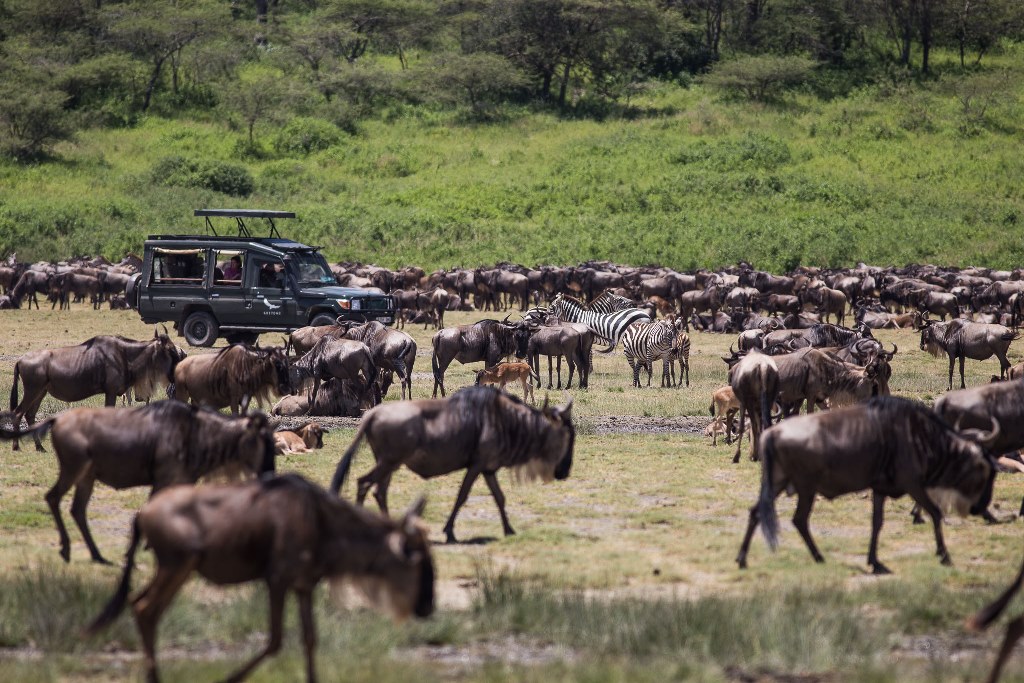
A SNIPET OF KENYA SAFARIS WITH KWAFRIKA TRAVEL
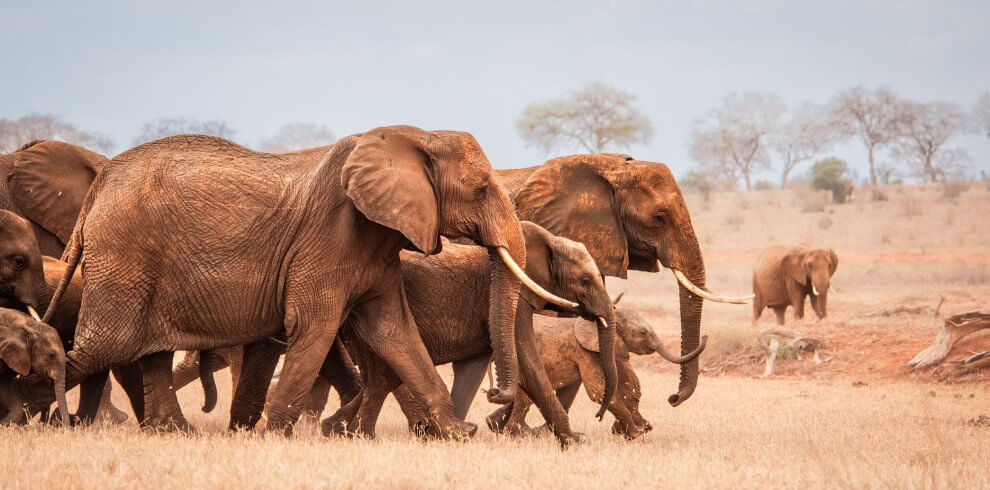
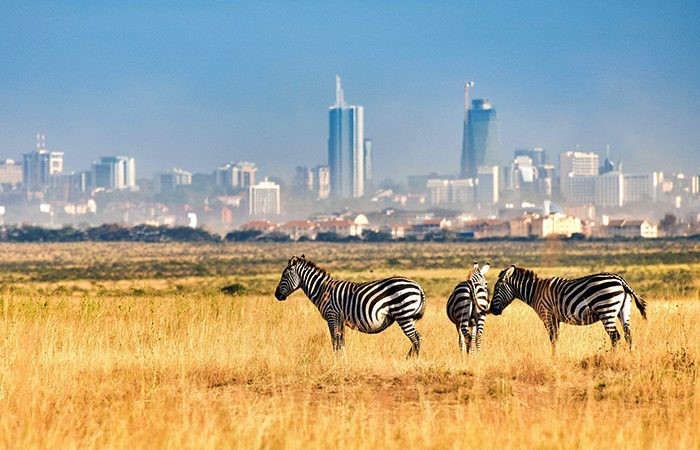
Your Dream Safari Awaits: Kenya Safaris with Kwafrika
Experience the legendary wildlife theatre that defines Kenya Safaris with Kwafrika Travel.
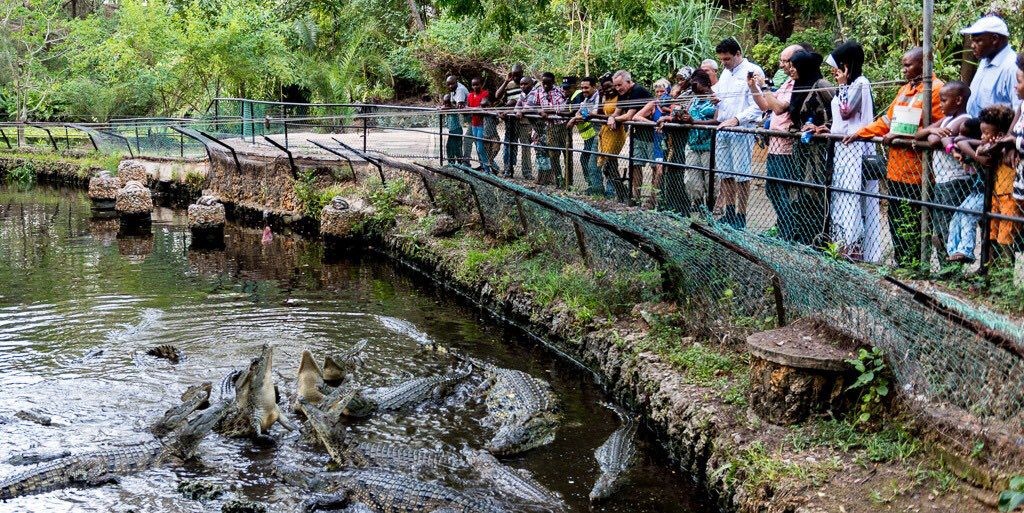
In the north, hippos in Samburu and Shaba gaze above the Ewaso Nyiro River before plunging into its waters, while crocodiles patrol the banks. The enormous feet of a herd of elephants meander across the dusty ground toward a big drinking hole in Tsavo and Amboseli, raising clouds of dusty vapor. In the Chyulu Hills, long-necked giraffes stretch high into acacia trees to gently wrap their mouths around luxuriant leaves tucked among the thorns. Protected rhinoceros graze with eastern tranquility in Meru National Park, the cherished “Born Free” home of Joy and George Adamson, while hundreds of colorful birds and butterflies fly over the lush tropical forests of Shimba and Aberdare Mountains.
If this sounds like the ideal Kenya wildlife and beach holidays experience, Kwafrika Travel can assist you in making your Kenyan fantasy a reality. We specialise in crafting exceptional journeys, from thrilling Masai Mara Safari tours to the breathtaking spectacle of the Great Migration Kenya safaris.
Begin your unforgettable Kenya Safaris with Kwafrika Travel below!
PLACES TO VISIT ON YOUR KENYA SAFARIS
AMBOSELI NATIONAL PARK
Look no farther than Amboseli National Park, located near the Tanzanian border and east of the Mara. The stunning environment is part of what makes it one of the most attractive spots to visit in Kenya, with the majestic, snowcapped Mt Kilimanjaro, the world’s tallest free-standing peak, looming up across the border. Another factor is its large elephant population, many of which have enormous tusks. There are also lions, cheetahs, hyenas, buffalo, giraffes, pelicans, martial eagles, blue-cheeked bee-eaters, and other animals in the park.
MASAI MARA NATIONAL RESERVE
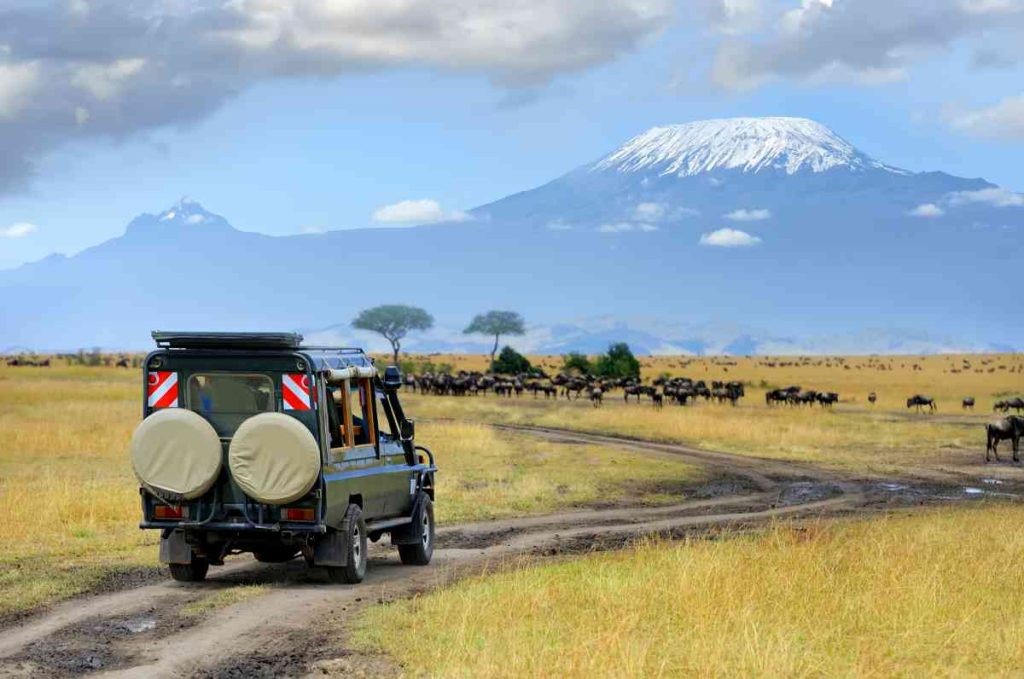
How could we leave out the Masai Mara National Reserve? It’s one of the most well-known safari sites on the continent, but you can avoid the throng by staying in a private concession on the reserve’s outskirts. Aside from not being open to the general public, concessions offer the benefit of permitting activities that are not authorized in the national reserve, such as bush hikes and night drives. The Masai Mara is one of the greatest areas in Africa to see big cats, with lions, leopards, and cheetahs all easily visible.
Then there’s the major draw: the year-round migration of roughly two million wildebeest, as well as half a million antelopes and thousands of zebras, that follows the rains in Tanzania and Kenya. The stunning Mara River crossings that occur between August and October when the animals reach Kenya are the most anticipated element of this voyage..
LAKE NAKURU NATIONAL PARK
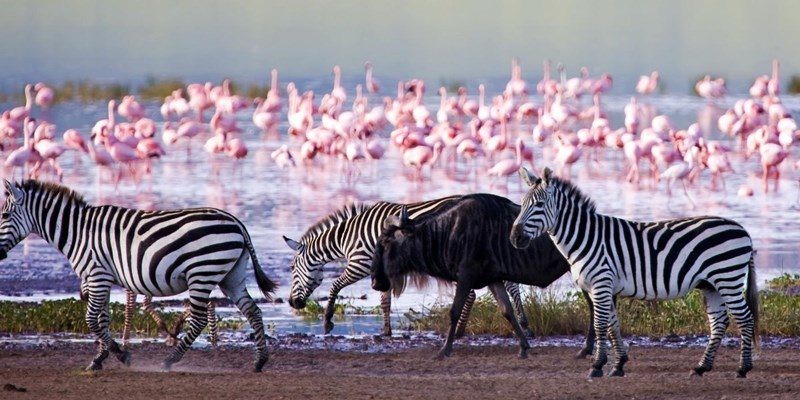
Lake Nakuru National Park is home to a diverse range of bird species, most notably massive flocks of flamingos, which have been estimated to number in the millions, however the lake’s population has recently declined. Lake Nakuru is one of the Rift Valley lakes, and the high amounts of algae in the water attract birds. Around the lake, you may witness pelicans, cormorants, African fish eagles, Verreaux’s eagles, Goliath herons, and hamerkops. In addition, black and white rhinos, Rothschild’s giraffes, lions, and cheetahs may be seen throughout the national park.
SAMBURU NATIONAL RESERVE
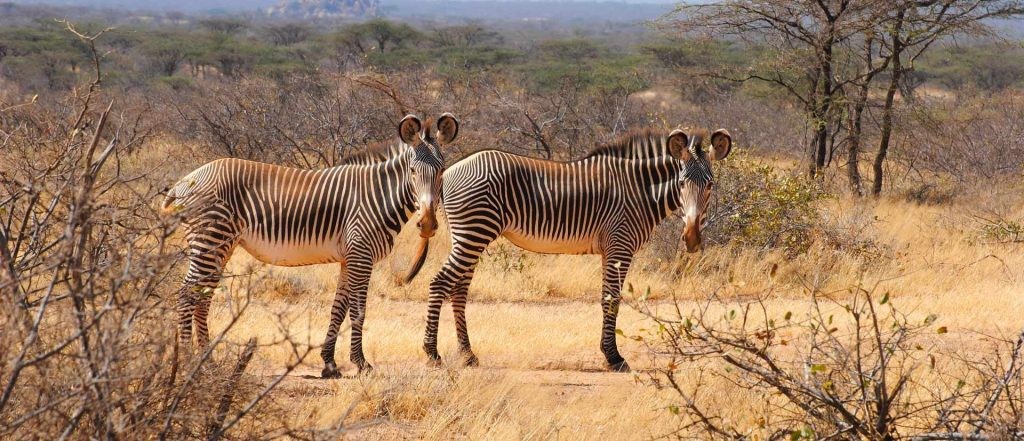
Samburu National Reserve in northern Kenya is regarded as one of the top safari sites in the country. The Samburu people, famous for their many strands of vividly colored beaded jewelry, also live in this region. The reserve is home to elephants, lions, leopards, and cheetahs, as well as over 450 bird species. Rare subspecies like as Grevy’s zebra, reticulated giraffe, and East African oryx may also be seen, as well as the gerenuk (a long-necked antelope) and spotted hyena.
OL PEJETA CONSERVANCY
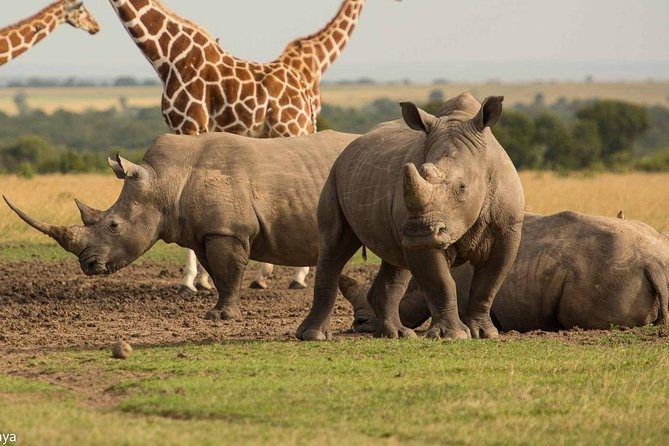
Ol Pejeta reserve, a Big Five reserve in the slopes of Mount Kenya, is well-known for its conservation efforts. The last male northern white rhino, Sudan, died there in 2018; the subspecies’ remaining females remain at Ol Pejeta, where they are constantly safeguarded. The Laikipia reserve also includes the Sweetwaters Chimpanzee Sanctuary, which houses chimps rescued from the illicit market. Ol Pejeta, one of the most intriguing sites to visit in Kenya, is a perfect place to learn about the link between humans and wildlife, as well as the issues encountered in the conservation field. Come for the day or stay for the weekend for lion tracking, bush hikes, and night drives.
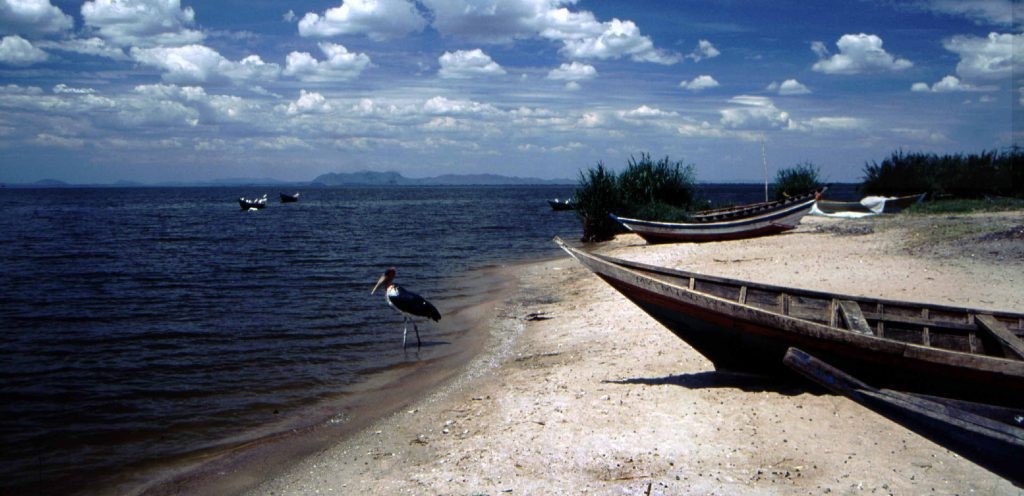
LAKE VICTORIA
Lake Victoria is the biggest lake in Africa, passing through three African countries: Kenya, Uganda, and Tanzania. It is one of the best places to visit in Kenya because it has a tranquil environment and a diverse range of aquatic life, including African helmeted turtles, variable mud turtles, Williams’ mud turtles, and 500 species of fish, including non-native fishes like African tetras, Cyprinids, air-breathing catfish, and bagrid catfish.
NAIROBI CITY
Nairobi is Kenya’s capital and largest city. It is a major tourist destination in Kenya, noted for its fabled colonial past, extensive infrastructure, tea and coffee industry, and wildlife reserves. This city should absolutely be visited if you want to see Kenya’s ancient legacy, its dynamic culture, its abundant wildlife, and its amazing modern art.

NAIROBI NATIONAL PARK
The Nairobi National Park is a short drive from Nairobi’s major business center. Wide open grass plains with a backdrop of city scrapers and scattered acacia woodland are home to a rich range of animals, including the endangered black rhino, lions, leopards, cheetahs, hyenas, buffaloes, giraffes, and over 400 kinds of birds. Visitors may enjoy the park’s picnic areas, three campsites, and hiking trails.
MOUNT KENYA NATIONAL PARK
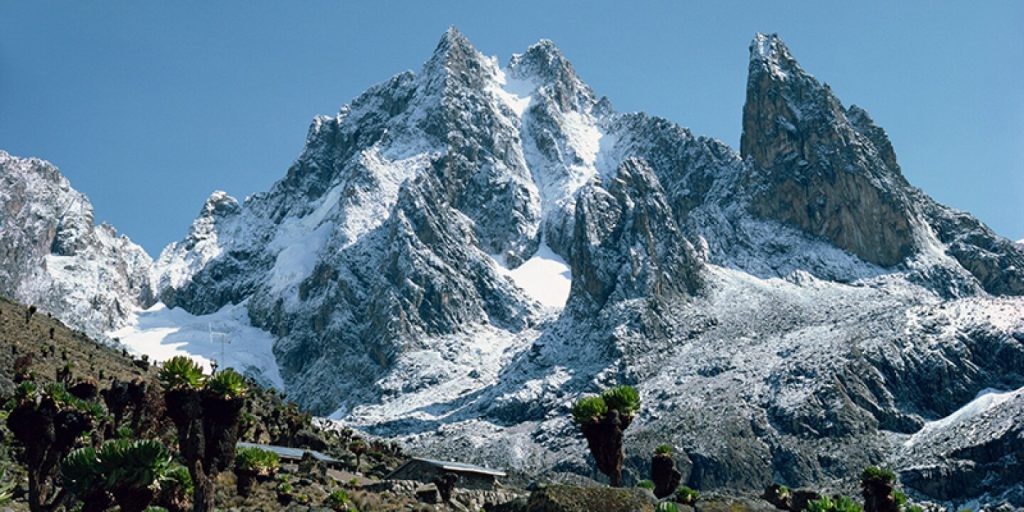
Mt. Kenya, with an elevation of 5,199 meters, is Kenya’s second highest mountain and a UNESCO World Heritage Site. This national park was formed to protect the endangered species of Mt. Kenya’s surrounding areas. It is now a full-fledged tourist destination and one of the top Kenya tourism spots recognized for its thrilling wildlife safari experiences.
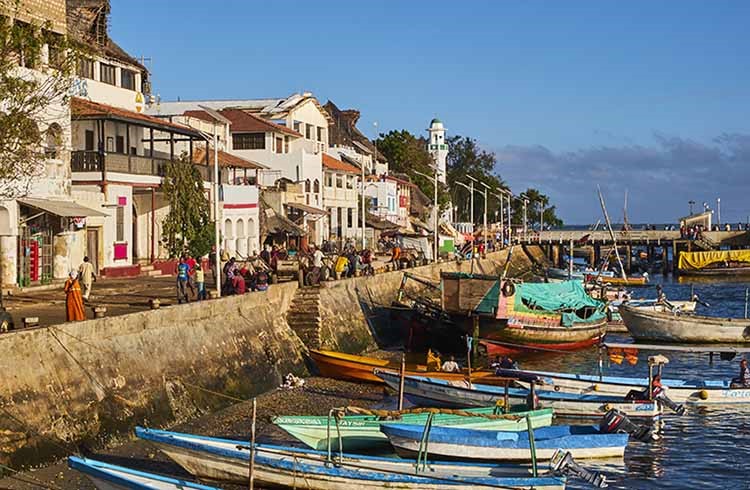
LAMU TOWN
Kenya is well-known for its safari parks and savannah, as well as its Indian Ocean coastline. As a historical location, the Lamu archipelago is one of the most intriguing destinations to visit in Kenya. Lamu was established about 1370 as a Swahili harbor and has subsequently been colonized by Europeans, Indians, and Persians. As a result, it is a multicultural melting pot. There are 23 mosques on the island, as well as a 19th-century fort and traditional dhow boats moored offshore. Then there are the nearby tranquil and unspoiled beaches. The ideal spot to unwind after a safari experience in Kenya.
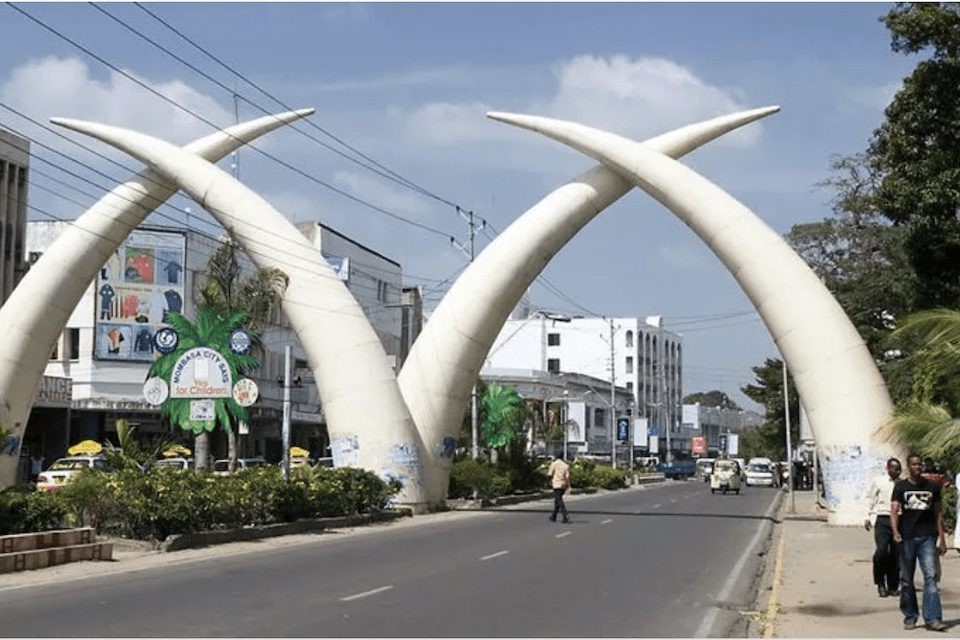
MOMBASA CITY
Mombasa is Kenya’s major port city, located on the country’s southeast coast. Mombasa, being a cosmopolitan city, is a tourist magnet that attracts all types of tourists due to its diverse culture. It is one of Kenya’s most well-known destinations, boasting a fusion of many cultures, customs, art, architecture, and cuisines like as British, Portuguese, Arab, Indian, and Asian. This city is also well-known for its beaches, coral reefs, historical sites, and vibrant street markets.
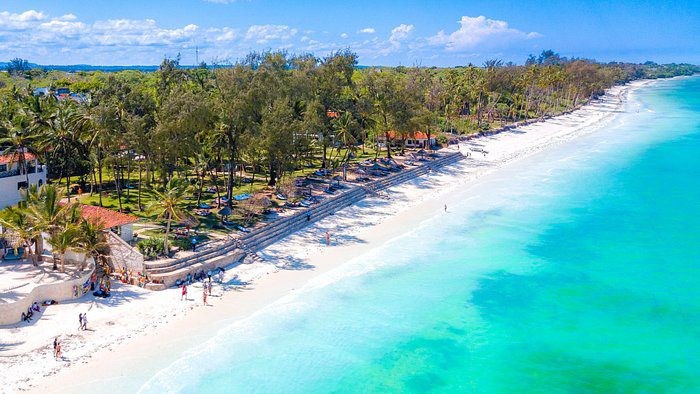
DIANI BEACH
Diani Beach, one of Africa’s most beautiful beaches, lies about 30km/20mi south of Mombasa and a short flight from Nairobi. Its beautiful beaches are lapped by the dazzling Indian Ocean and surrounded by green forests, where you may go for nature hikes when you’re tired of sunbathing or kitesurfing. Go snorkeling, swim with whale sharks, take a sunset dhow trip, or simply relax in a hammock with a good book.
ABERDARE NATIONAL PARK.
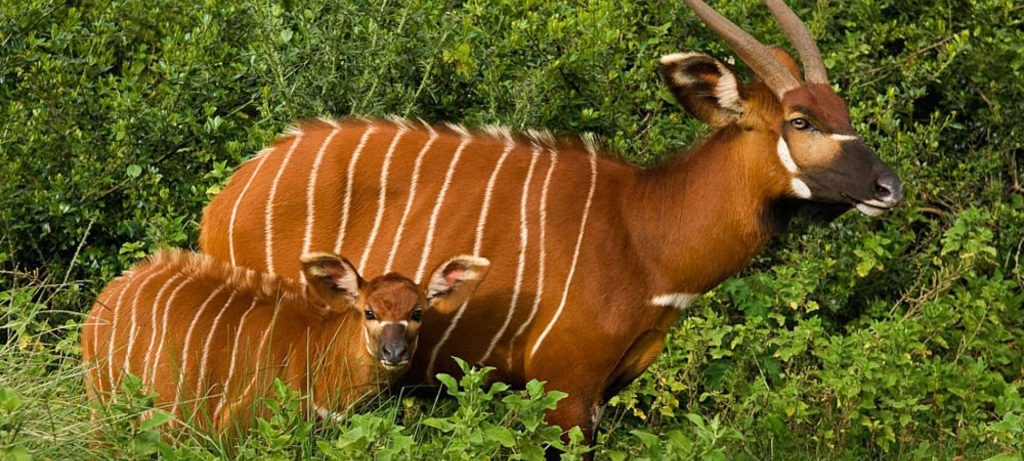
Aberdare National Park, located in the cold highlands of Kenya’s Great Rift Valley, is one of the most intriguing destinations to visit in Kenya. It is not just a lush mountainous landscape with valleys, rivers, waterfalls, and woods, but it is also home to exceedingly rare species such as the black serval, black leopard, and the country’s most elusive antelope, the eastern bongo. This is where Elizabeth II learned of her father’s death, establishing her as Queen of England; the Treetops Hotel, where she was staying at the time, has since become a renowned tourist destination.
EXPLORE MALINDI
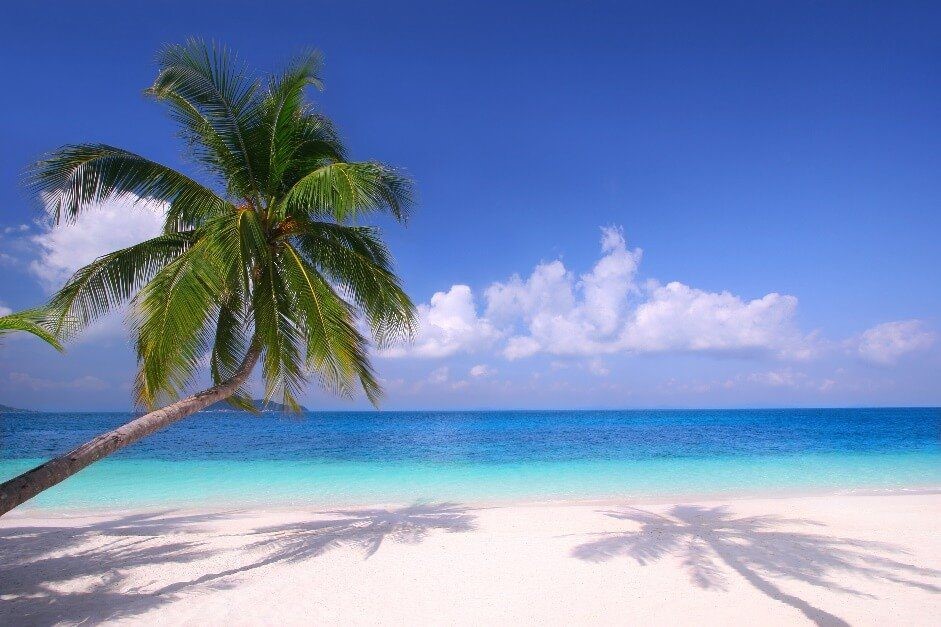
Malindi, located on Kenya’s southeastern coast, is a popular vacation town with two distinct faces. The city’s rich history is reflected in one half of the city, while the other half is a modern-day tourist magnet. It is one of Kenya’s most popular tourist destinations, attracting visitors to explore its ancient sites, scenic beaches, and enormous coral reefs.
WASINI ISLAND
Wasini is a tiny island off Kenya’s southeastern coast famed for its clear seas and vast coral reefs. It is one of the best locations to visit in Kenya for nature and adventure enthusiasts, who can enjoy thrilling activities including as diving, snorkeling, dolphin watching, and sailing aboard a traditional Dhow. Some of the interesting activities that one can enjoy during your visit to Wasini Island include; diving, snorkeling, dolphin viewing and sailing.

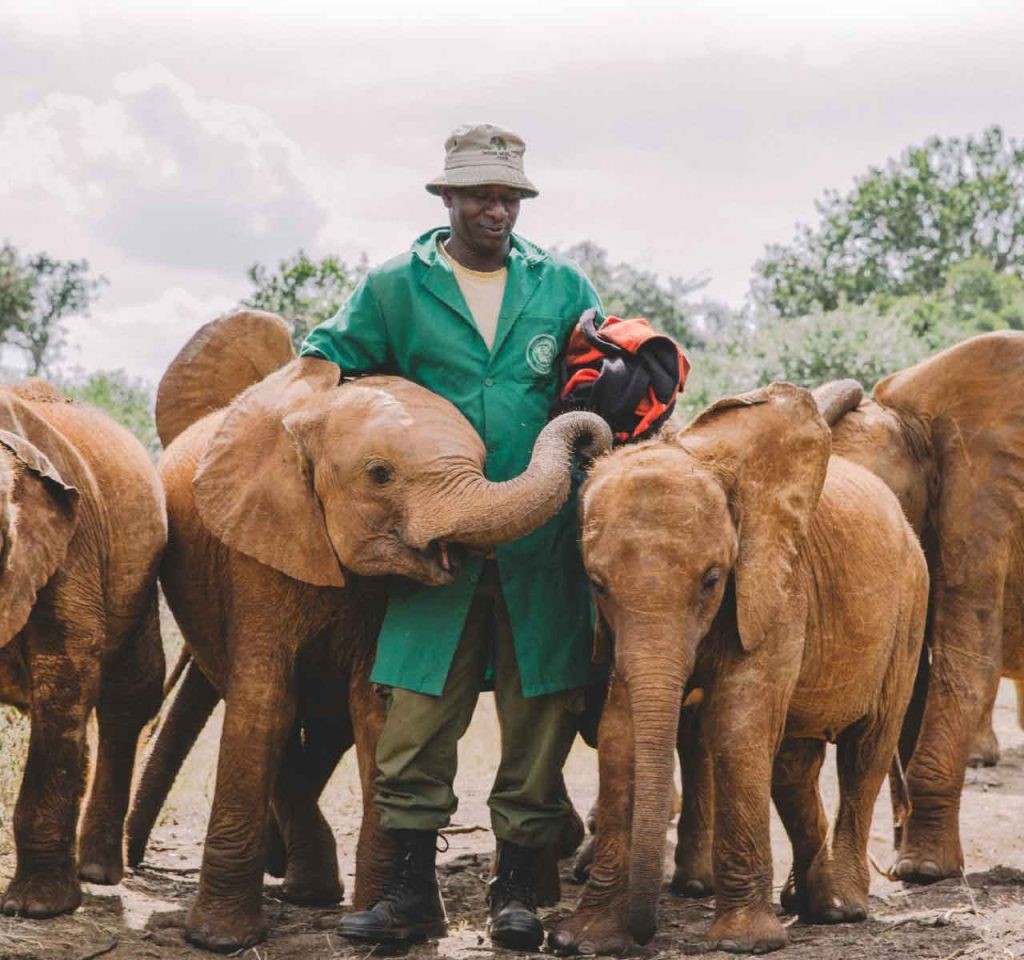
DAVID SHELDRICK WILDLIFE TRUST
This animal conservation nonprofit, founded in 1977, is one of the most well-known. This trust is notable for providing cash to Kenya Wildlife Services while managing an orphanage for rhinos and elephants. At this location, one may also adopt an elephant for a minimum of USD 50.
HALLER PARK Kenya Safaris with Kwafrika Travel
This park is ideal for anybody who wants to engage with nature in a relaxing setting. In this gorgeous park, you may encounter giraffes, buffalos, antelopes, and hippos, among other animals and birds. This site receives almost 1,60,000 visitors every year and is regarded as one of the most beautiful spots to visit in Kenya!
FREQUENTLY ASKED QUESTIONS : KENYA SAFARIS WITH KWAFRIKA TRAVEL
What language is commonly spoken in Kenya ?
Kenya’s official languages are Swahili and English.
Which international airports can one use when going on a Kenya Safaris ?
Jomo Kenyatta International Airport (NBO) is 15 kilometers from Nairobi and Moi International Airport (MBA) which is 12 kilometers from Mombasa.
Do I need a visa to travel to Kenya ?
Visitors visiting Kenya must have valid passports that are valid for at least six months beyond the date they want to depart the country. For Canadian and American passport holders, a tourist visa is necessary, which may be obtained online at http://evisa.go.ke/evisa.html prior to your arrival in Kenya. Visitors should register well in advance because there might be a 10-day processing time.
What Currency is used in Kenya ?
The Kenyan shilling is the currency used across the country. Most major tourist attractions accept Mastercard and Visa. ATMs for distributing local cash are ubiquitous in towns but rarely in wildlife parks.
Is Kenya Safe for foreigners ?
Kenya is an excellent place for foreigners seeking adventure. It welcomes all visitors and has a soft spot for family vacations with children. Kenya welcomes foreigners and multigenerational family vacationers.
How to make an EMERGENCY CALL in Kenya ?
In Kenya, phone one of the three emergency numbers: 999, 112, or 911. Once linked to an operator, you can request the necessary service.
What to pack for Kenya Safaris ?
The golden rule of packing is to pack as light as possible. For the length of the safari, we recommend wearing comfortable shorts, tees, and long pants. It is critical to have appropriate clothing for the chilly mornings and late evenings because it might get cold. If you want to swim at the lodges in between game drives, bring swimwear. Remember to bring bug repellent because you will be in a malaria region.
Do I need Travel Insurence when travelling to Kenya ?
Travel insurance is essential for any trip to Africa, and we recommend that you get it when you pay your deposit. If anything, unexpected happens and you need to cancel your vacation, you should be prepared that you have insurance and may be able to get your money back. Insurance for baggage loss and airline delays is also suggested.
What type of vehicules are used on Kenya Safaris with Kwafrika Travel ?
For our safaris, we employ a custom-built 4WD Toyota Land Cruiser. The cars accommodate up to six passengers in three rows of seats (everyone with a guaranteed window seat) and include a pop-up top that may be raised for wildlife viewing. The pop-up roof gives superb picture opportunity as well as shade when on safari. To guarantee maximum comfort throughout your voyage, our vehicles are repaired and maintained to a very high quality before and after each safari.
How much money should I carry on a Kenya Safari
Safari packages are generally pre-paid and include car transfers, lodging, and activities. Domestic flights are included on certain safaris. In Kenya, you’ll need money to tip the hotel personnel and tour guides. There may be beverages and other activities to pay for, and you may wish to buy souvenirs or refreshments from the local businesses. extra stores take credit cards, but not all, so keep extra cash on hand for unexpected costs and gratuities.
HOW TO GET AROUND IN KENYA?
There is a decent network of internal flights across Kenya, which is handy for time-pressed travelers as well as for reaching distant hotels in the bush (through tiny, occasionally wildlife-infested airstrips). Hiring a car in Kenya is expensive, and many regions require a 4WD. Some rental firms conceal a $10,000 extra in their rental agreement, which isn’t ideal in a nation where carjacking is common: Hire someone to watch your rented car every time you park.
Matatus (sharing taxi minivans) travel Kenya’s roadways; they depart when full, are inexpensive, and frequently break down. Buses connect Kenya’s major cities and vary widely in quality; before boarding, inspect the vehicle. Traveling at night is dangerous because to unlit animals and automobiles, as well as the occasional bandit. Sailing a dhow (traditional boat) along the Kenyan coast is the most atmospheric method to reach outlying islands.

ACCOMMODATIONS IN KENYA FOR YOUR KENYA SAFARI.
Where to stay during your Kenya Safaris with Kwafrika Travel? Accommodation in Kenya ranges from the basic to the luxurious. Budget travelers can bring their own tent and sleep in the bush; national parks provide basic campsites with bathrooms and running water. Bandas in Kenya are low-cost cottages containing beds, baths, and occasionally kitchens.
Cities have upscale hotels, but the true delights are Kenya’s high-end safari lodges. These are set on private or community-run reserves on the outskirts of Kenya’s national parks and offer chic rooms, stylish communal bars, quality cuisine, and safari activities; they sound pricey, but food and drink are often included, and the experience is first-class.
KENYAN CUISINES AND DRINKS TO TRY DURING YOUR KENYA SAFARIS.
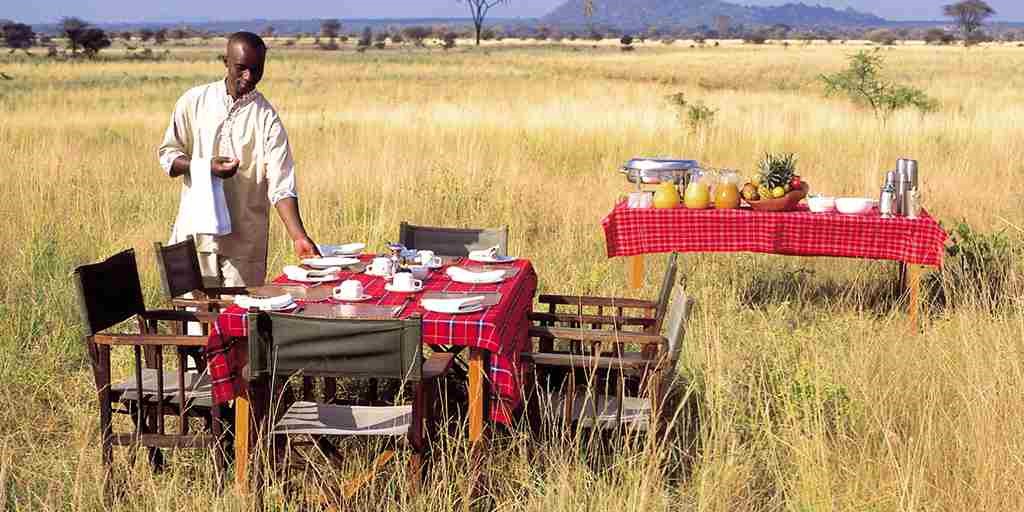
Meals in Kenya’s high-end and mid-range lodges are often Western and good, with snacks available in between – on a fancy Kenyan safari, you won’t go hungry. Camp cuisine is robust and copious if you’re walking; expect large amounts of soup, spaghetti, meat and fish, vegetables, and fruit.
Kenyan cuisine is simple and meat-based: expect mutton stews, ugali (stodgy maize porridge), and veggies like spinach. Vegetarians may have difficulty. Fresh fruit cultivated in Kenya, such as mango, pineapple, and passion fruit, is abundant; fruit drinks are particularly good. Tusker beer, a G&T, or a glass of imported wine all make excellent sundowners – the customary way to finish a safari day in Kenya. Coffee is often weak and quick; Kenyans prefer chai (sweet milk tea).

HEALTH AND SAFETY TIPS FOR VISITORS ON A KENYA SAFARI
Drink boiled/purified water and exercise proper food hygiene in Kenya; travelers’ diarrhea is rather prevalent. Check that your vaccines are up to date. Malaria prophylaxis is essential for much of the nation; however, mosquitos are not a major issue; consult your doctor for advice.
Be careful of the symptoms of altitude sickness (headaches, nausea, and disorientation) if hiking Mount Kenya. Drink plenty of water and take your time ascending. Driving at night should be avoided. If you are traveling from or have transited through an airport in a country where yellow fever is present, you must provide proof of immunization.
When is the Best Time for Kenya Safaris with Kwafrika Travel?
Climate Overview: Comfort All Year
Kenya’s climate is highly favourable for an African bush and beach holiday at any time of year.
Region | Climate Characteristics | Key Takeaway |
Upcountry (Highlands) | Generally, above 600 meters above sea level. Pleasant, with warm days and chilly nights. | Pack a light jacket or thick fleece for evenings/mornings. |
Coastal Areas | Hot and humid all year. | Expect significantly more mosquitoes. |
The key to planning your perfect trip lies in understanding the interplay of the wet and dry seasons.
Seasonal Breakdown for Kenya Safaris
Understanding these cycles helps you align your travel with specific interests, whether it’s maximizing wildlife viewing or finding the best deals.
1. Peak Season (Dry & Hot)
Period | Highlights | Travel Considerations |
January – February | Dry & hot conditions, ideal for game viewing. Flamingos return to the Rift Valley lakes. | Most expensive time to travel. Accommodations must be booked months in advance. |
2. Shoulder Season (The Great Migration)
Period | Highlights | Travel Considerations |
June – October | The Great Migration Kenya safaris pass through the Masai Mara—one of the world's finest wildlife spectacles. | Excellent period for travel: often features cheaper discounts and fewer people than the true peak season. |
3. Wet Seasons (Value & Lush Scenery)
Period | Highlights | Travel Considerations |
March - May & October - December | The landscape is lush and verdant. Ideal for birdwatching and photography. | Generally wetter, but rain rarely lasts all day. You can secure amazing offers on lodging. |
Activity-Specific Timing
- Mountain Climbing: Mount Kenya is best climbed during the dry season (January-February or June-October).
This guide provides a starting point for your planning. Your dedicated tour consultant at Kwafrika Travel will provide detailed, destination-specific information to perfectly customize your Kenya Safaris with Kwafrika Travel
.