

Wondering what to do in Central Africa and you can’t find much reviews and Instagram like content online? If you want big, honest wildlife encounters, dense rainforests, and cultures that don’t exist for Instagram – Central Africa delivers. But it asks for patience, planning, and (a little) improvisation in return. Read on if you like your travel with depth, not queues.

A female B’aka from the Baka Community in Central African Republic.
Introduction – Why Central Africa gets overlooked (and why that’s your opportunity)
Central Africa – namely the trio of Democratic Republic of the Congo, Republic of the Congo and Central African Republic – is often misunderstood. Its logistics, infrastructure, and headlines make many travelers choose easier routes. That’s fair. But those willing to do the homework find wildlife encounters and cultural authenticity that outsize the effort.
This guide is built around the idea of smart bases – pick comfortable towns or lodges as hubs, and accept that travel legs between them will sometimes be longer and rougher than you expect. To fully enjoy your experience, come prepared physically, mentally, and logistically, with realistic expectations. Expect long travel days, uneven roads, fluctuating electricity and connectivity, delays at checkpoints, and the occasional expensive “surprise.” In short: flexibility + buffer days = sanity.
Practical safety & health must-dos: proof of yellow fever vaccination is required for entry into most Central African countries; carry the card. Also sort travel/medical insurance that covers evacuation.
How to use this itinerary
Two routes, same heart-of-Africa spirit. Pick the Baby Boomer / Comfortable route if you want lower-impact days and easy walking. Pick the Millennial / Adventure-Seeker route if you want rainforest trekking, river travel, and long, wild days.
FOR BABY BOOMERS (NOT FIT FOR DIFFICULT TREKKING) — Comfort & Conservation (Days 1–8)
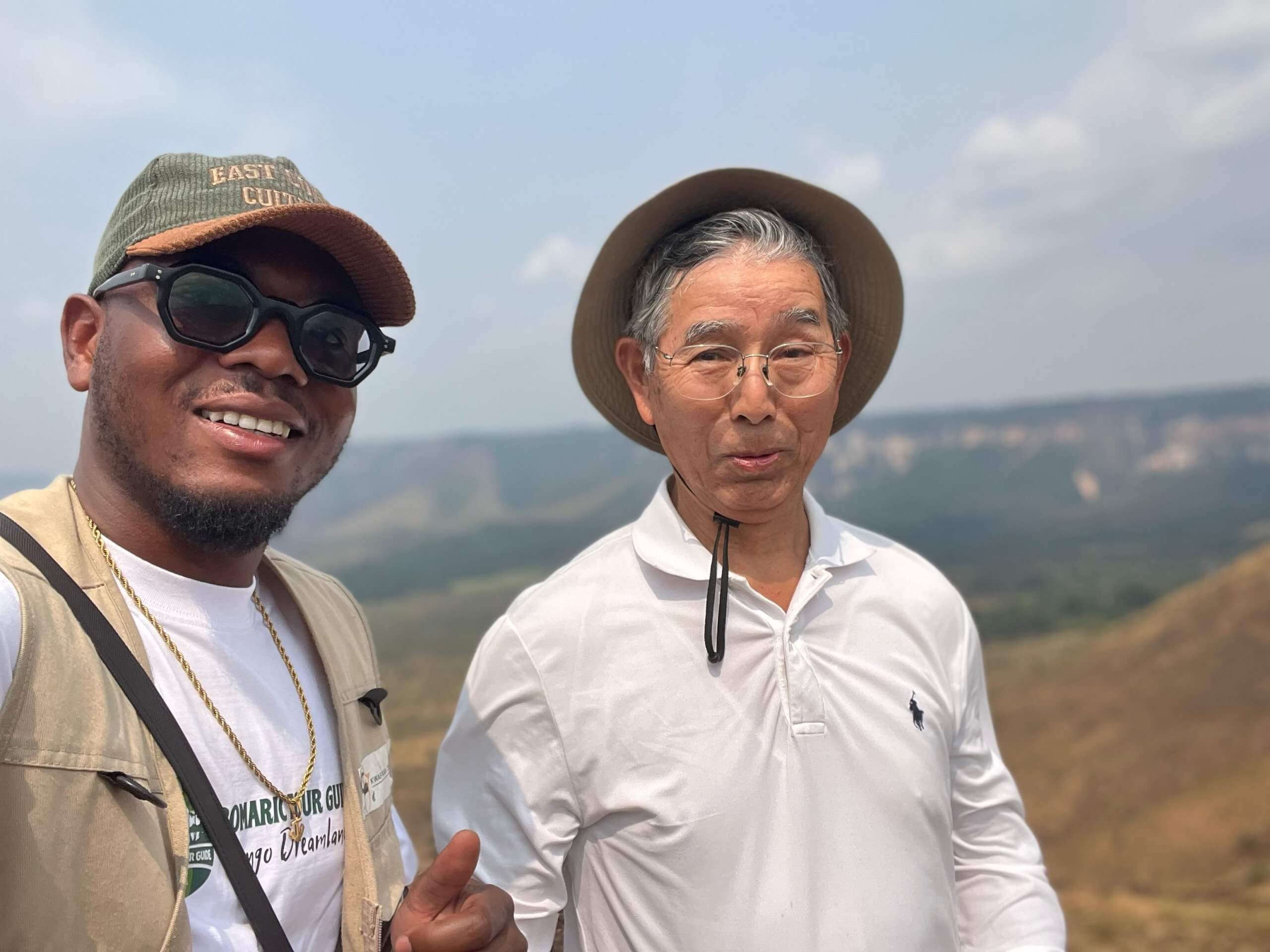
What to do in Central Africa : Base: Kinshasa – Vibe: metropolitan, surprisingly lively, and the friendliest city hub you’ll use in Central Africa.
Day 1 – Kinshasa (half day city tour)
· See: Cathédrale Notre-Dame du Congo (photo stop), Mausoleum of Laurent-Désiré Kabila, and the Musée National de la République Démocratique du Congo (enter).
· Lunch: Chez Flore Restaurant (local menu).
· Afternoon: Visit the bonobo sanctuary at Lola ya Bonobo – low-impact, heart-melting conservation.
Day 2 – Kinshasa → Kisantu → Zongo (6 hours’ drive)
· Stop at the Kisantu Botanical Garden, picnic, Tanda Gonda visit, then evening at a comfortable lodge like Selli Safari.
Day 3 – Zongo Falls → Return → Cross to Brazzaville
· Morning at Zongo Falls. Back to Kinshasa, then cross at Beach Ngobila to enter Brazzaville for a relaxed city tour (memorial to Pierre de Brazza, basilica, markets).
Day 4 – Lesio-Louna / Lefini Reserve day trip
· Full day in the forest reserve (Lesio-Louna / Lefini area) with picnic lunch and a guided boat trip to see lowland gorillas from a safe, respectful distance. Return to Brazzaville for dinner (dine at Les Rapides if you like river views).
Day 5 – Brazzaville → Bangui (CAR)
· Fly or arranged transfer to Bangui. Drive to the famous Boali Falls and the nearby crocodile lake; return to Bangui to stroll the Ubangi riverside.
Day 6 – Bangui → Mbaïki (Pygmy cultural day)
· Drive to Mbaïki (≈3 hours). Soft cultural experiences: medicinal plants, hut-building, honey harvesting, and music.
Day 7 – Bangui city day
· Markets, art centre, Boganda Museum, cathedral — a gentle final cultural day.
Day 8 – Departure
· Transfer to airport.
FOR MILLENNIALS & ADVENTURE-SEEKERS — Wild Coast & Deep Jungle (Days 1–19)
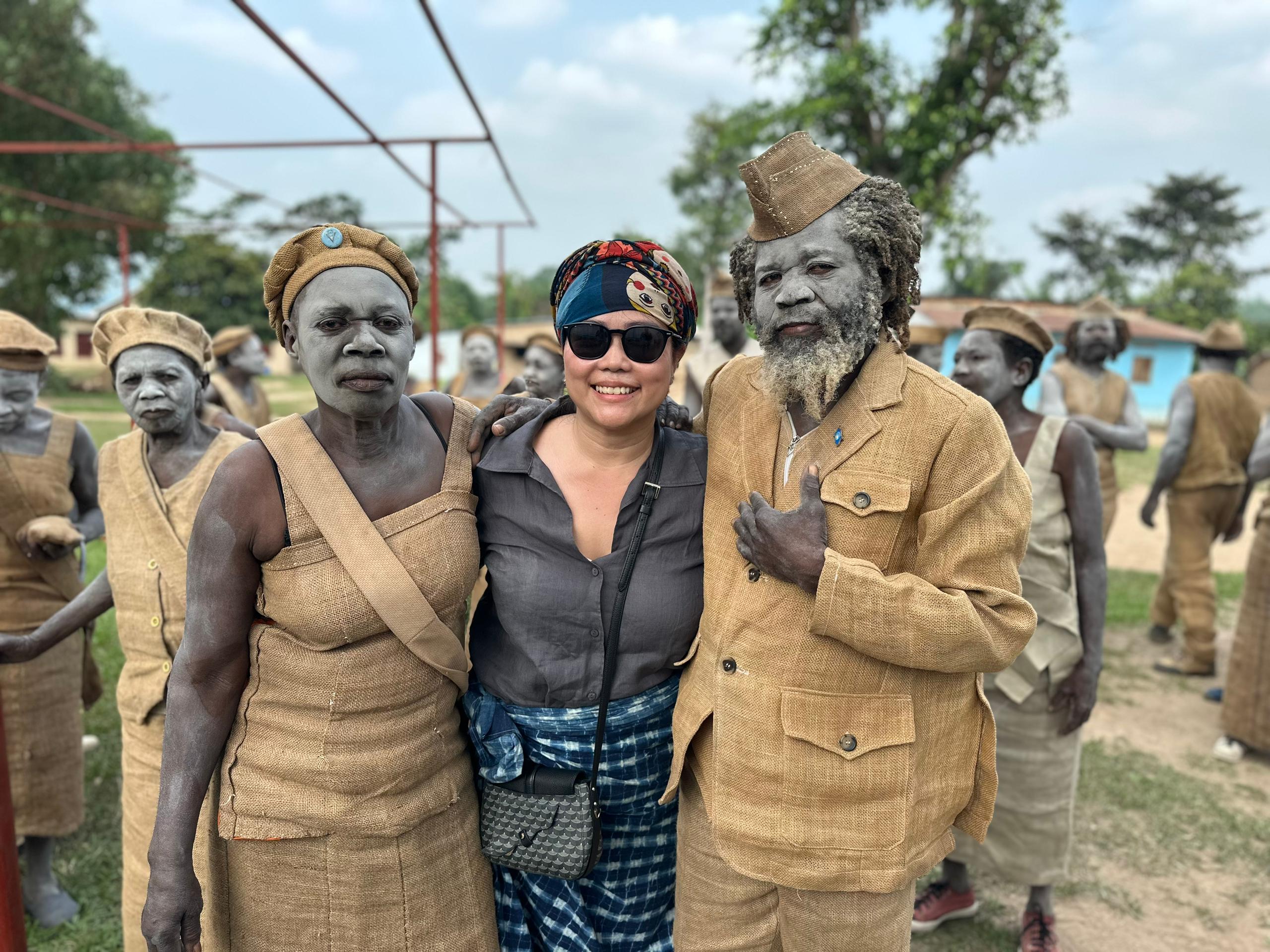
What to do in Central Africa? Main bases: Kinshasa and Brazzaville, then deep into northern RoC and CAR – Vibe: muddy boots, long drives, massive wildlife payoffs.
Day 1 – Arrive in Kinshasa. Pick-up and settle. Overnight at a riverfront hotel.
Day 2 – Parc de la Vallée de la N’sele (game drive & activities)
· Animals in semi-free populations: giraffe, zebra, buffalo, hippo, and more. Activities include cycling, kayaking, and zipline.
Day 3 – Lola ya Bonobo + Kinshasa highlights. Sanctuary visit (briefing + group visit), then city museums & markets.
Day 4 – Kisantu Botanical Garden + Selli Safari + Zongo Falls.
Day 5 – Zongo → Matadi (Belgian colonial port city; climb Belvedere; Livingstone Falls viewpoint). Overnight in Vivi/Matadi.
Day 6 – Boma → Congo River islands → Mangrove Marine Park → Muanda. Speedboat river trip to the ocean; island stops.
Day 7 – Muanda → Kinshasa. Local market and cultural wrap-up; fly/transfer to Brazzaville.
Day 8 – Brazzaville city night & prep for northbound travel.
Day 9 – Brazzaville → Ouesso (long overland day into the north of the Republic of the Congo). Overnight Ouesso. Ouesso
Day 10 – Boat to Bomassa (gateway to the Sangha forest). Bomassa
Day 11–12 – Djeke / Mondika / Mondika Bai — Western lowland gorilla trekking
· Trek with trackers in primary rainforest to see western lowland gorillas; expect 2–4 hours of active trekking per encounter. (Permits and logistics in RoC are required — book well ahead.)
· Base: Mondika Tented Camp. Mondika
Day 13 – Return to Bomassa → Ouesso (rest).
Day 14 – Ouesso → Bayanga (CAR) via boat and border formalities. Bayanga
Day 15 – Gorilla trekking & saline (Dzanga area)
· Trek a newly habituated group; walk the saline (bai) where forest elephants, buffalo, bongo, and bongos come to salt-lick. This is pure, deep-forest wildlife watching. Dzanga-Sangha
Day 16 – Elephant tracking + Ba’Aka community dances
· Morning mirador visit to Dzanga Baï; afternoon with Ba’Aka (forest peoples) learning traditional trackers’ skills and culture.
Day 17 – Bayanga → Ouesso. Boat back; overnight in Ouesso.
Day 18 – Ouesso → Brazzaville (stop at the equator monument near Makoua if you like little tourist detours).
Day 19 – Transfer to airport and return home.
The Realities (aka the “glad someone said that” section)
· Lesio-Louna / Nouabalé-Ndoki / Dzanga-Sangha are remote, but animals are wild apart from Nouablé-Ndoki where trekking can be done. In Nouabalé Ndoki National Park gorillas are habituated for trekking; in many others they are not — you’ll see wildlife from a baie or a boat at a good distance. If gorilla permits or special camps are needed, arrange them well in advance.
· You absolutely need a local guide. Guides handle translations, customs, permits, and the helpful social lubricant at checkpoints. They’ll also reduce your risk of getting lost or being overcharged.
· Expect long transfers and variable services. Boats get cancelled for weather; flights get rerouted; a “crash” hotel may be the best you can find between two excellent wildlife days. Build buffer days into every leg.
· Cash & paperwork. ATMs are rare outside capitals; carry dollars for emergency expenses and other local expenses. Carry physical copies of vaccination cards, passports, and confirmations.
· A travel insurance is highly recommended.
Option 1 — Short Comfort Route (Days 1–8)
(Refer to the Baby Boomer / Comfort & Conservation plan above — curated to minimize long treks while maximizing wildlife, culture, and comfort.)
Option 2 — Full Adventure Route (Days 1–19)
(Refer to the detailed day-by-day above — this is the full “Wild Coast & Deep Jungle” route for serious wildlife and wilderness immersion.)
Practical Planning
Visas & Yellow Fever
· Visas: Visa policy varies by nationality and can change rapidly. Kwafrika Travel will help you through the process. Apply early, and check embassy websites for up-to-date info.
· Yellow fever: Carry an International Certificate of Vaccination (yellow card) – many Central African countries require it on entry. Ask your travel clinic about timing and documentation.
Packing list (short & realistic)
· DEET or strong mosquito repellent (cloth-compatible)
· Malaria medication (consult your doctor)
· Basic personal meds, first-aid kit
· Mosquito net (if not provided at lodging)
· Durable hiking/walking shoes that dry quickly + extra socks
· Light rain jacket (storms are sudden)
· Sun hat, sunscreen, sunglasses
· Snacks and a refillable water bottle (water treatment tablets are handy)
· Torch or headlamp (with spare batteries)
· Swimwear & quick-dry towel (some lodges have pools)
· Sleeping bag (only for specific programs/camps)
· Above all: a sense of humor, flexibility, and patience.
FAQ
Is it safe?
Safer than media headlines may sound, but different areas carry different risks. Kwafrika Travel will make sure to bring to the safest areas possible in the region. With more than 8 years in the region, Kwafrika has never recorded any incident with any customers.
Do I need to speak French?
Helpful – yes. But with a guide you’ll be fine. Our Kwafrika Travel guides translate, smooth logistics, and are indispensable.
Are gorilla encounters guaranteed?
Yes for some national parks namely Nouabalé Ndoki National Park. In other park such as Dzangha Sangha and some site in Nouabalé Ndoki visitors spot animals from an elevated position hoping that they will pass around, but sometimes they don’t happen to show up. In Central Africa you’ll find both habituated and wild populations. Encounters depend on permits, trackers, and the animals’ movements. Book permits early with Kwafika Travel and temper expectations with respect for wildlife welfare.
Why book with a local operator?
Because local operators handle permits, translations, police checkpoints, lodging that meets local standards, and the inevitable on-the-ground improvisation. Operators like Kwafrika Travel build buffer days into itineraries and know which roads you can beat and which ones to respect.
Final notes — honest, practical, and optimistic
Central Africa is not a comfort-zone destination. It’s a destination that rewards curiosity and patience with rare wildlife, generous local hospitality, and places that feel off the tourist grid. If you like your trip with real wildness (and the occasional one-lane bridge equivalent), prepare well, pack sensibly, and book local experts. You’ll come back with stories that aren’t yet on Instagram – and that’s precisely the point.
With this we think that you have some responses on what to do in Central Africa. Please reach out to us and one of our tour expert will be glad to respond to your questions.
Useful reading & quick sources: WHO travel yellow-fever guidance; CDC travel health pages; regional gorilla-permit info for Congo Brazzaville. (World Health Organization)