


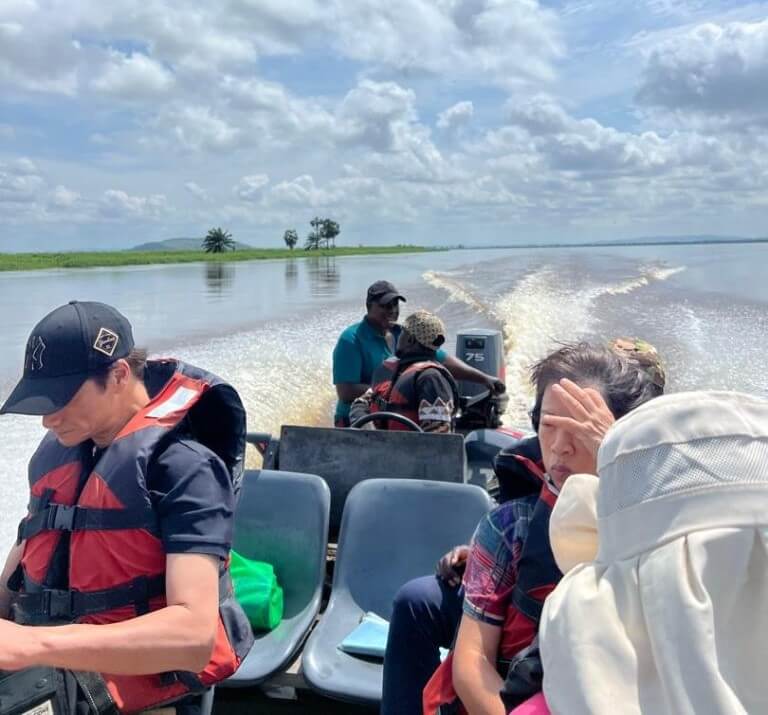
The Democratic Republic of the Congo serves as a cornerstone of regional heritage, with this Boma history guide focusing on the nation’s original seat of power. Boma stands as a strategic river port 100 km upstream from the Atlantic Ocean on the Congo River’s right bank. Travelers find the city at an altitude of 19 m, positioned exactly 470 km from the modern capital, Kinshasa.
Boma occupies land formerly held by the Songa Kingdom, serving as a critical nexus for colonial and maritime history. This Boma history guide highlights the city’s transition from a local kingdom to a global administrative hub. Consequently, the city became the foundational military camp for the region, maintaining this status from 1886 until 1956. Visitors today can explore the residence of the First Governor General and view the country’s first two imported automobiles. Furthermore, the legendary “Stanley Baobab” remains a physical landmark commemorating Henry Morton Stanley’s 19th-century explorations.
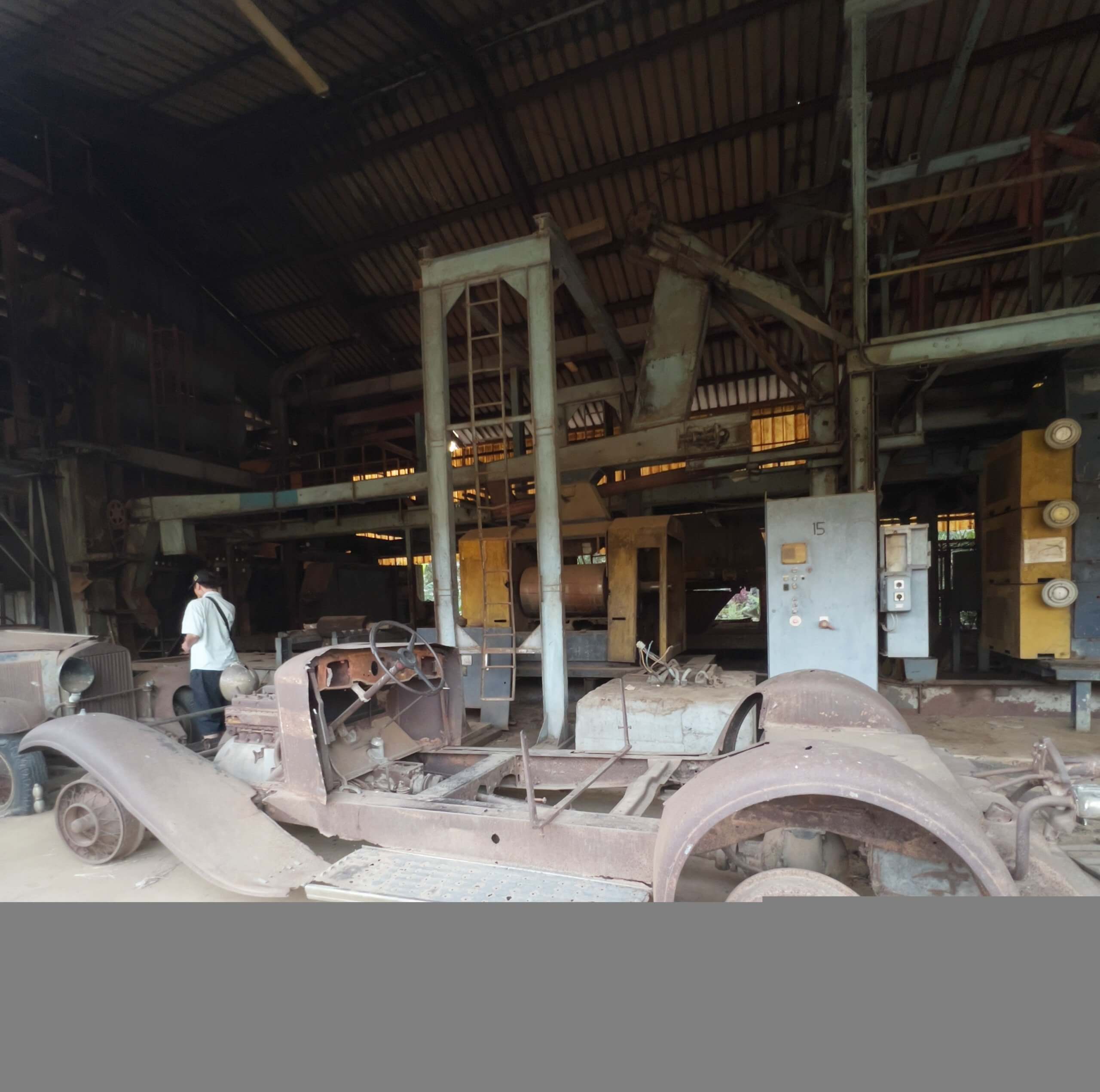
To assist researchers and travelers, the following timeline tracks the city’s evolution:
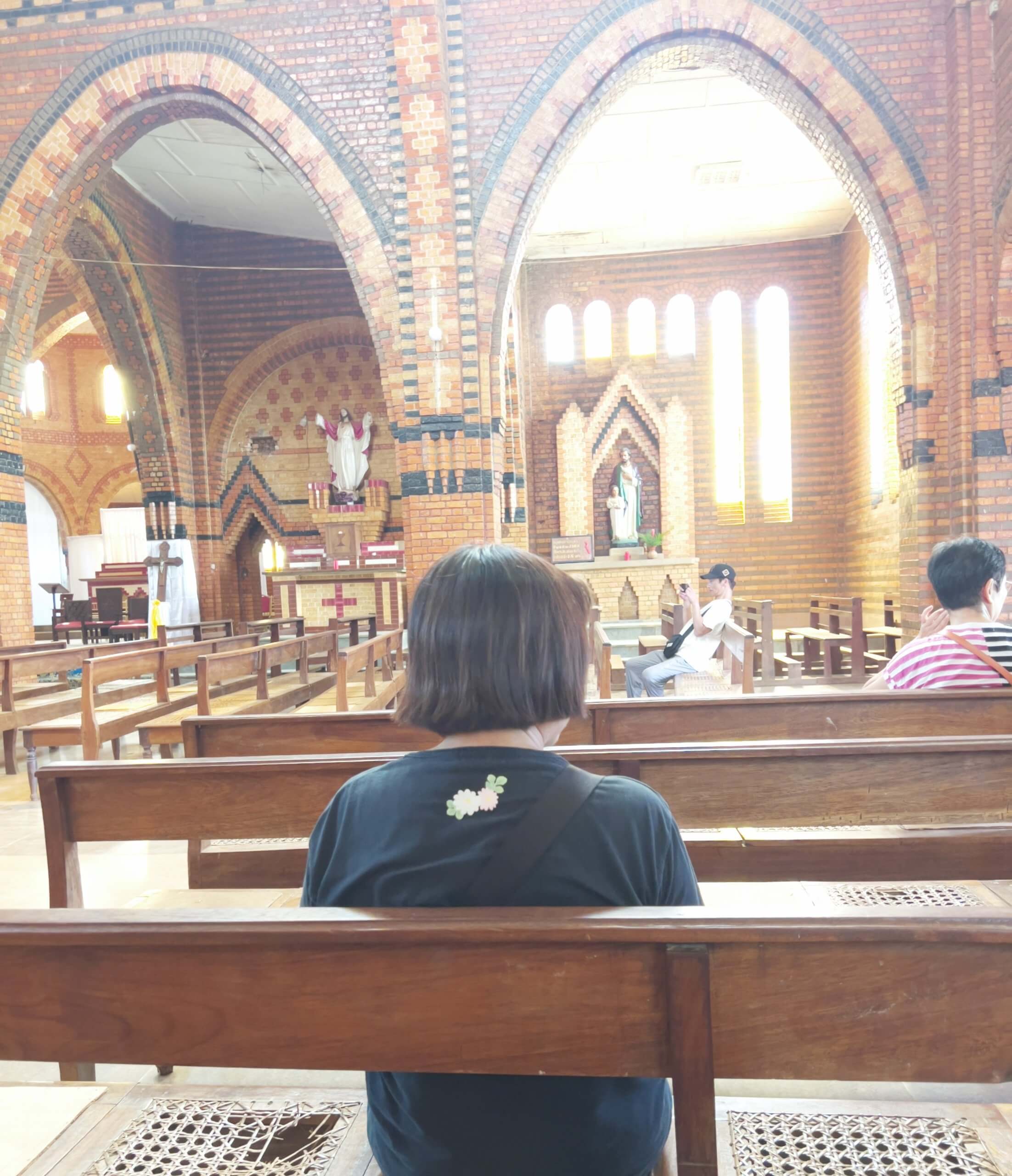
The Notre-Dame-de-l’Assomption Cathedral represents a feat of 19th-century engineering. Workers completed the iron structure on September 2, 1886, at a forge in Charleroi, Belgium. Subsequently, the ship Africa transported the components on September 26, 1888, reaching Boma by September 21, 1889. The original dimensions measured 25 m in length and 12 m in width. Although the Scheutist Fathers reduced the original structure to accommodate a larger modern cathedral, the historic iron section still stands as the oldest religious building in the country. This Boma history guide recommends visiting during the morning hours to see sunlight illuminate the interior’s detailed stonework and arches.
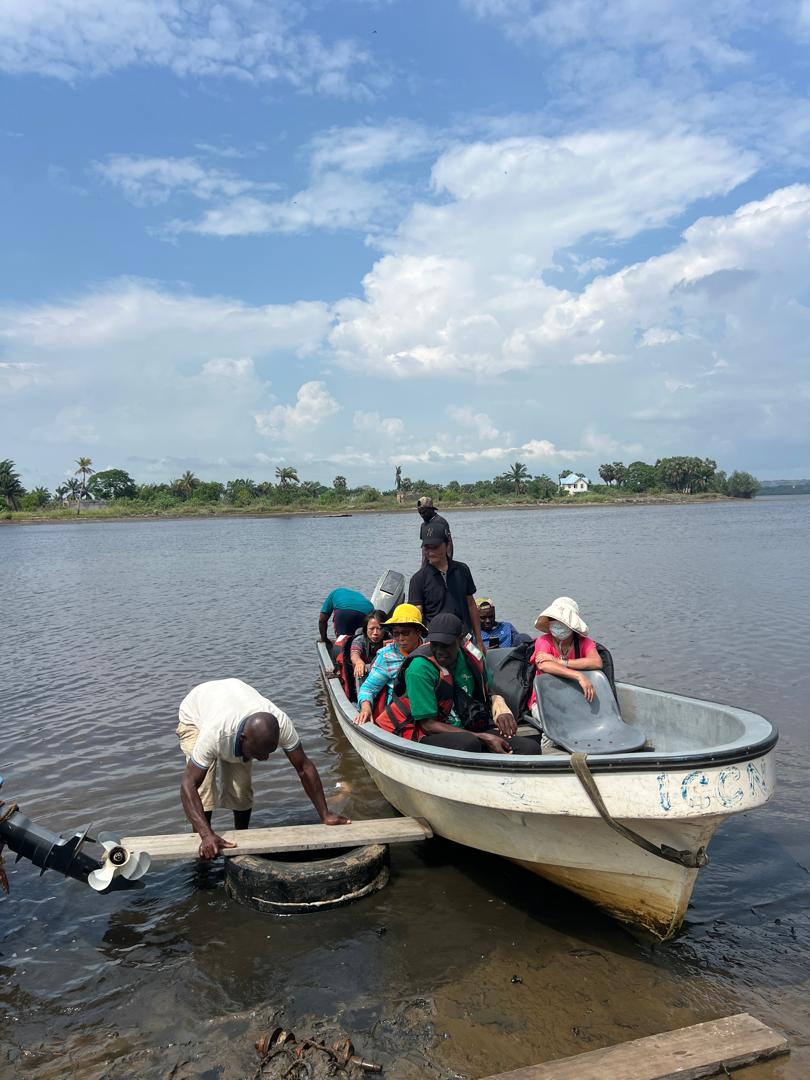
The riverfront serves as the city’s economic and social engine. Large cargo vessels frequently appear against the wide horizon, emphasizing Boma’s role as a link between the Atlantic and the interior. Meanwhile, the Boma River Port provides a gritty, industrial look at the ships carrying goods across the ocean. Travelers often hire speedboats for the 130 km journey toward the Mangroves National Park or the coastal city of Moanda. Additionally, the central market offers a sensory experience where vendors sell local spices and handmade crafts.
Accessing Boma requires navigating the N1 highway, a route that offers a comprehensive view of the Kongo-Central landscape. The drive from Matadi covers 125 km, while the trip from Kinshasa takes approximately 8 to 10 hours depending on traffic. Alternatively, travelers coming from Tshela face a 140 km journey. Most visitors coordinate their arrival during the dry season to avoid heavy rains that can affect the gravel sections of secondary roads.
Boma is generally stable for travelers who use professional guides. We recommend staying updated on local advisories. Kwafrika Travel ensures security by coordinating with local authorities and monitoring the N1 highway corridor between Matadi and the Boma riverfront daily.
The journey typically requires 8 to 10 hours by road. While the N1 highway is paved, heavy truck traffic near the Matadi port can cause delays. Travelers should plan for a full day of transit to reach Boma safely.
The 1889 prefabricated Cathedral is the premier historical site. It arrived by ship from Belgium and remains the oldest standing cathedral in DR Congo . It perfectly illustrates the colonial-era architecture and the industrial ingenuity of the late 19th century.
This review is based on Kwafrika Travel’s active 2026 operations in Kinshasa and the Kongo Central region.