

The Democratic Republic of Congo is a destination known for its immense biodiversity and is the only country on earth harboring Bonobos, humans’ closest relatives. As a massive geographical entity, the DRC is a central African hub containing the continent’s largest tropical rainforest and large cultural diversity with more than 400 ethnics groups and a rich history and culture.

DR Congo updated travel guide in short:
This DR Congo updated travel guide provides the essential data for safely navigating the 2.3 million square kilometers of this wilderness frontier.
Security remains the primary concern for international arrivals. Currently, whether it is safe to visit DRC Congo in 2026 depends entirely on your specific itinerary and the use of professional logistical support. While the Western governments maintains a Level 3 or 4 travel advisory in several regions, thousands of researchers and tourists successfully visit the western and southern provinces annually.
Travelers should prioritize guided expeditions that utilize private transport and local security clearances. Consequently, understanding the nuances of whether it is safe to visit DRC Congo in 2026 requires monitoring daily updates from official conservation authorities or relying on trusted tour operators.
The capital city functions as the administrative and cultural heart of the nation. Regarding Kinshasa travel safety, the city is generally secure for foreign visitors who remain in the Gombe district and much of the 24 townships that makes Kinshasa district. Visitors are recommended to use registered taxicabs or private drivers. Nightly activities require caution even though, the city offers vibrant access to the Congo River.

Maintaining high situational awareness is the cornerstone of Kinshasa travel safety for the modern explorer. Avoid large public demonstrations and secure your electronic devices when moving through crowded markets like Marché Central. These precautions ensure a smooth transition before heading to the interior rainforests.
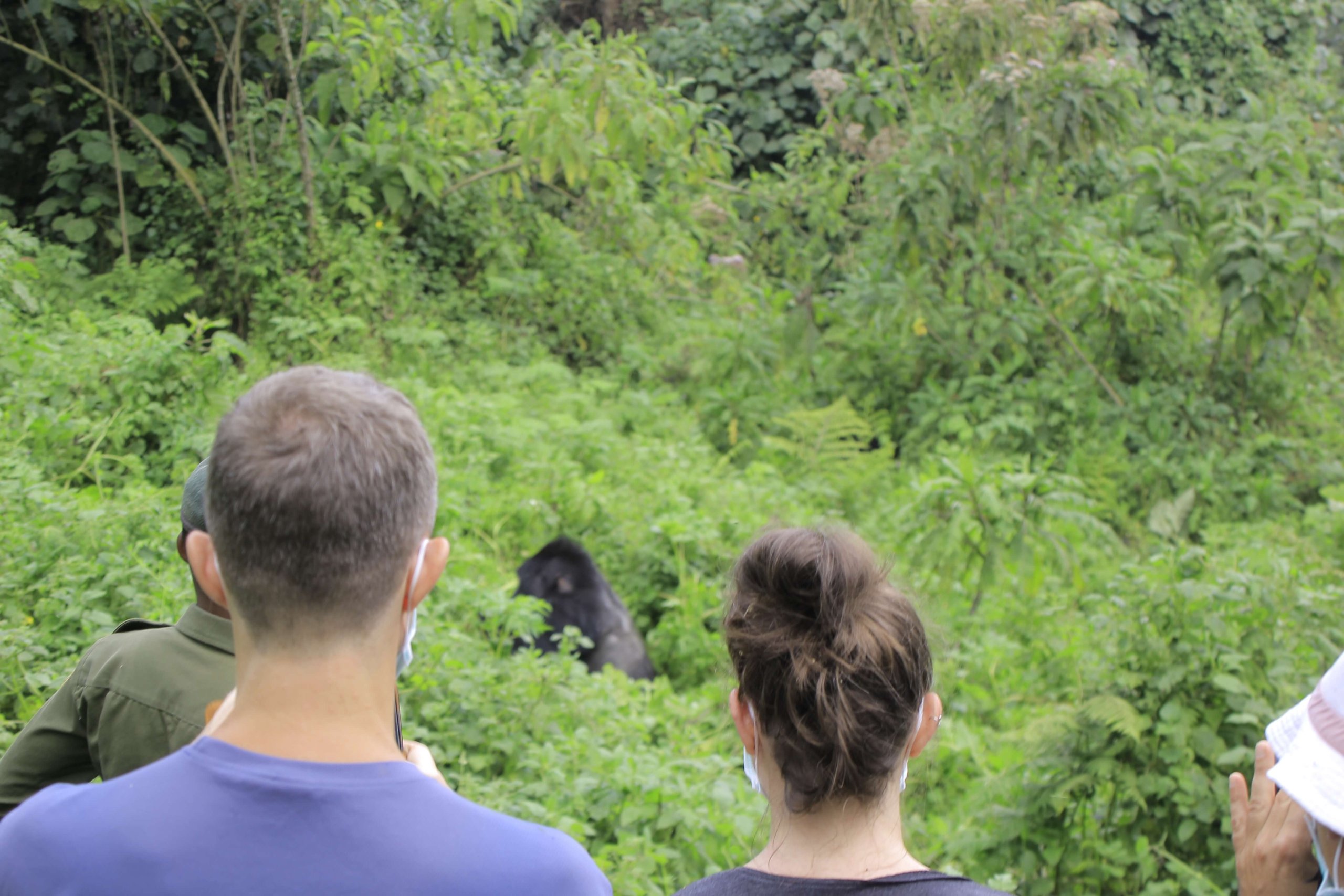
Since the escalation involving the M23 movement in January 2025, which led to the capture of Goma and Bukavu, the security situation in eastern provinces such as North Kivu and South Kivu has remained unstable. Travel to these areas is currently not recommended unless necessary. Virunga National Park and Kahuzi-Biega National Park are not receiving visitors. Conservation activities in Virunga continue at a limited level, while Kahuzi-Biega National Park has been affected by conflict-related disruptions, including reported looting and reduced monitoring of wildlife, with some gorilla groups not recently tracked. As a result, conservation operations in Kahuzi-Biega have been significantly impacted. Travelers are advised to postpone visits to eastern Congo until conditions improve.
At the same time, diplomatic efforts are ongoing. As of April 2026, discussions involving the Government of the Democratic Republic of Congo, M23 representatives, and Rwanda are continuing under international facilitation, including talks held in Switzerland, as part of broader efforts to stabilize the region.
Cities such as Beni, Butembo, Bunia, and Kisangani remain accessible options for visitors interested in eastern Congo. However, security conditions in parts of these areas can also be unpredictable, with reported incidents involving armed groups in certain localities. It is advisable to consult a vetted and experienced tour operator, such as Kwafrika Travel, before planning travel. These regions offer access to sites including the Rwenzori Mountains, the upper stretches of the Congo River, the Wagenia fishing site in Kisangani, and cultural experiences with local communities along the river. Recent infrastructure developments, including airport upgrades and regional flight connections linking northeastern Congo to Bangui, have also enabled combined travel itineraries between the Central African Republic and the DRC.
Western Congo refers to the Atlantic-facing and capital region of the Democratic Republic of Congo, centered around Kinshasa and extending through Kongo Central province to coastal towns like Matadi, Boma, and Moanda.
It is the primary operational tourism corridor in 2026, characterized by relatively stable access, administrative control, and established logistics.
| Category | Western Congo | Eastern Congo |
|---|---|---|
| Geographic Scope | Kinshasa + Kongo Central (Atlantic corridor) | North Kivu, South Kivu, Ituri, parts of Orientale |
| Key Cities | Kinshasa, Matadi, Boma, Moanda | Goma, Bukavu, Beni, Bunia |
| Current Safety (2026) | Stable; main tourism operations active | Unstable in several areas due to conflict (M23 escalation since 2025) |
| Tourism Status | Open and actively promoted | Restricted / not recommended in key zones |
| Flagship Attractions | Zongo Falls, Lola ya Bonobo Sanctuary, Livingstone Falls | Virunga National Park, Kahuzi-Biega National Park, Rwenzori Mountains |
| Wildlife Experience | Bonobos (endemic), mangroves, river ecosystems | Mountain gorillas, eastern lowland gorillas, savannah wildlife |
| Accessibility | High (international airport, river, road corridors) | Limited and unpredictable depending on security |
| Infrastructure | Developed (hotels, transport, guides) | Variable; disrupted in conflict zones |
| Best Travel Seasons | Dry seasons: June–Aug, Dec–Feb | Similar climate but travel constrained by security |
| Type of Tourism | Cultural, urban, river, conservation tourism | Adventure, primate trekking (currently limited) |
| Travel Recommendation (2026) | Recommended with experienced TO | Postpone non-essential travel |
| Operational Reality | Core base for tour operators (e.g., logistics, visas, entry point) | Requires specialized security clearance and real-time assessment |
Weather patterns dictate the success of your expedition in DR Congo. The long dry season from June to August offers the best time to visit Kinshasa and its surrounding including trekking Bonobos in the Wild (Nkala). A shorter dry window occurs from December to February, providing clear skies for photographers.
Beyond primates, the DRC hosts the Livingstone Falls, a series of massive rapids on the Congo River. Garamba National Park in the northeast remains a sanctuary for the last remaining northern white rhinos. Relying on the information in this DR Congo updated travel guide will allow you to plan well and have a once in a lifetime experience to the DR Congo.
You must obtain a “Visa Volant” ‘evisa’ via a vetted and trusted tour operator such as Kwafrika Travel or get a standard tourist visa via a Congolese embassy. This second option requires a notarized invitation letter from a trusted tour operator. The first one is gained via your tour operator who will apply on your behalf at the Directorate of Immigration (DGM).
The “Visa Volant” is an electronic pre-authorization issued by the Direction Générale de Migration (DGM) in Kinshasa. This document allows travelers to board their flight and receive their physical visa stamp upon arrival at the border or airport. It is specifically designed for tourists coming from countries where a Congolese embassy is not present or easily accessible.
To obtain this, you generally work through a registered tour operator who submits your passport copy and flight itinerary to the DGM. Once approved, you receive a PDF authorization. You must carry a printed copy of this document; airlines will deny boarding without it. The 2026 processing time typically ranges from 3 to 7 business days.
If you reside near a Congolese diplomatic mission, you may apply for a standard tourist visa. This remains a traditional sticker visa placed in your passport before travel. While the specific requirements can vary slightly by consulate, the core documents include:
The Congolese government requires proof of purpose for all visitors. This is fulfilled through one of two specific documents:
Please note that these prices are subject to change without prior notification, contact our tour consultants to get the updated prices.
No, the DRC does not offer a standard “Visa on Arrival” for most nationalities without pre-authorization. Arriving without either a physical visa from an embassy or a printed “Visa Volant” authorization will result in immediate deportation or heavy fines. Always ensure your documentation is verified at least two weeks before your departure date to account for any administrative delays in Kinshasa.
Navigating the urban landscape requires understanding the specific character of each region. The western corridor, running from the capital toward the Atlantic coast, remains the most accessible for international travelers. Each of these cities serves as a hub for cultural and historical exploration.
As the vibrant capital, it serves as the essential gateway for all incoming expeditions. The city offers a unique blend of Congolese nightlife, art, and river access.
Located on the banks of the Congo River, this historic port city is the capital of Kongo Central. It is famous for its dramatic topography and the iconic Matadi Bridge.
Once the capital of the Congo Free State, Boma holds profound historical significance. Its tropical climate and proximity to the Atlantic make it a quiet, reflective stop.
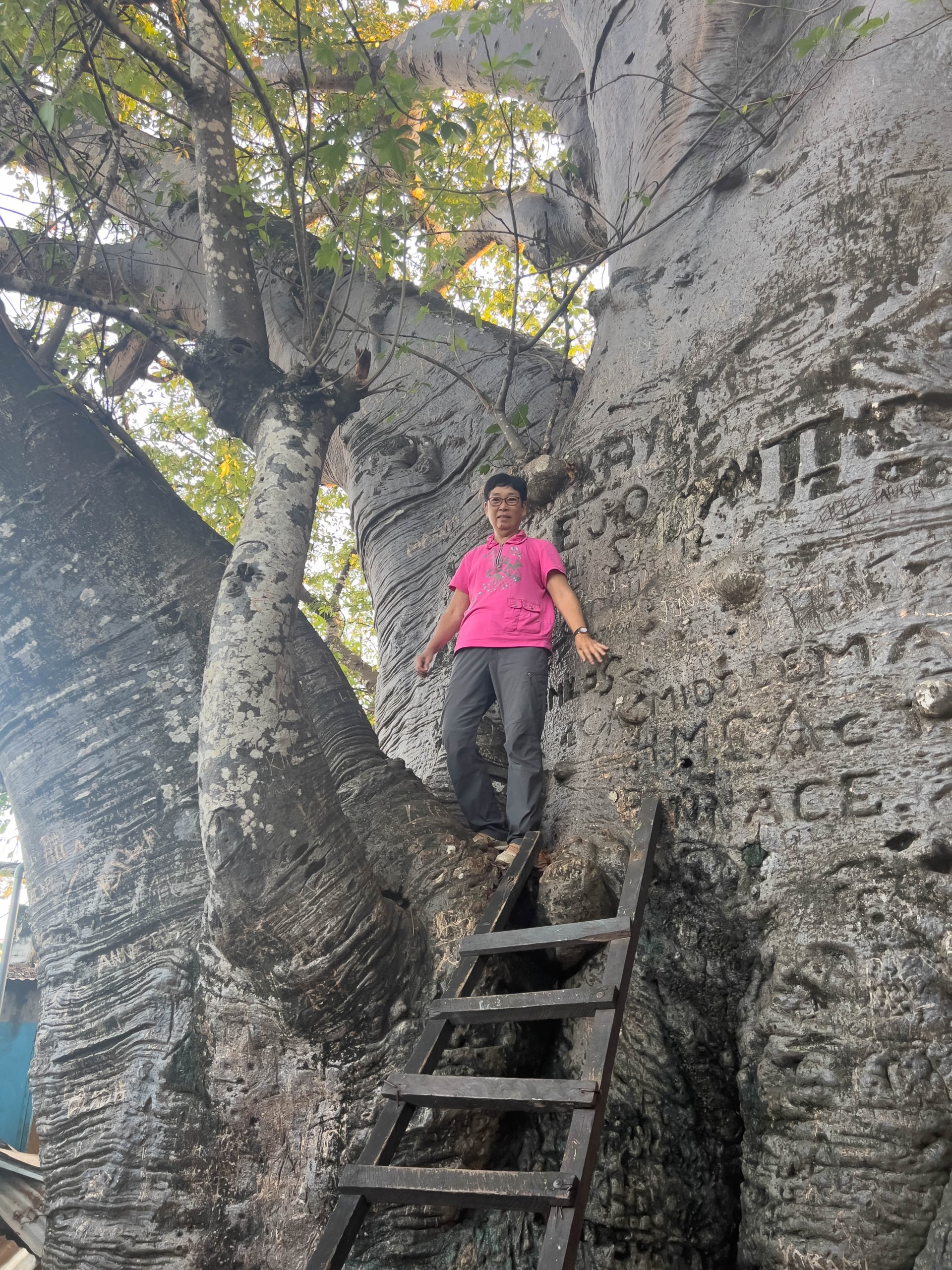
Positioned at the mouth of the Congo River, this seaside town provides a rare coastal retreat. It offers a relaxed atmosphere that contrasts sharply with the interior’s density.

Western Congo offers a wealth of biodiversity accessible via organized tours. These sites emphasize conservation and education, allowing you to witness the Congo Basin’s fauna while adhering to safety protocols managed by professional operators.
Located just outside Kinshasa, this world-renowned sanctuary is the only organization in the world that rescues and rehabilitates orphaned bonobos.
This Ramsar-designated wetland is the DRC’s only marine park, situated where the Congo River meets the Atlantic Ocean.
For the adventurous explorer, the Nkala forest offers an authentic habitat experience rather than a sanctuary setting.
Located in Kongo Central, these waterfalls offer dramatic cascades and lush hiking paths through the surrounding forest canopy.
A massive series of rapids and cataracts on the lower Congo River, these falls symbolize the raw power of the continent’s largest river.
To provide a comprehensive view of the diverse experiences available in the Democratic Republic of Congo, this section highlights the premier cultural, historical, and botanical sites. These destinations are highly recommended for those looking to deepen their engagement with Congolese heritage and natural beauty beyond standard trekking.

Kinshasa serves as a vibrant tapestry of art, history, and tradition. For travelers seeking to connect with the living pulse of the nation, these institutions and experiences offer an immersive look at Congolese identity.
Inaugurated in 2019, this world-class facility is a must-visit for historians and art enthusiasts. It houses an extensive collection of archaeological and ethnographic artifacts that detail the rich history of the DRC’s many ethnic groups.
As the premier institution for visual arts in the country, the Academy offers a window into contemporary Congolese creativity. You can often explore exhibitions showcasing local painting, sculpture, and graphic arts, reflecting the evolution of modern African aesthetics. So it’s definitively worth a stop.
Pool Malebo is an area between Kinshasa and Brazzaville covering parts of the Congo River. It provides a unique perspective of the twin capitals, while offering a moment of tranquility away from thecity’s bustling streets. A must see when visiting Brazzaville or Kinshasa.
Voodoo Wresteling is a unique Congolese wrestling style combining traditional martial prowess with deep-rooted cultural and spiritual symbolism, providing a high-energy performance that is central to the local urban entertainment scene. Kwafrika Travel offers producing of Voodoo Wrestling games in partnership with actors.
Often performed during significant ceremonies, the Kuba mask dances, involving intricate regalia and the Bwoom mask, are a powerful expression of royal heritage and mythological storytelling from the Kasai region. Kwafrika Travel often arrange private cultural performances for groups to appreciate the complexity of these traditions.
Beyond the dense rainforests, the DRC boasts specialized sites that offer accessible, safe, and breathtaking nature encounters. These locations are perfect for day trips or short excursions from the capital.
Located about 100km from Kinshasa, this 225-hectare site is one of the oldest and most significant botanical gardens in Central Africa. It houses over 3,000 plant species and is a peaceful retreat for botanists and nature lovers alike. Its well-maintained walking paths along the Inkisi River make it an ideal spot for a relaxing day in nature.
Parc de la Vallée de la N’sele is a modern park that blends natural beauty with active recreation. It is an excellent choice for families and adventure seekers, offering ziplines, mountain luge, and beautiful rock gardens. The park’s focus on the natural topography of the region, including volcanic earth and local waterfalls, makes it a unique day trip from Kinshasa.
All travelers must present a valid Yellow Fever vaccination certificate at the border. Additionally, medical experts recommend prophylaxis for Malaria and vaccinations for Hepatitis A, B, and Typhoid due to the tropical environment of the Congo Basin.
It’s not possible to trek Mountain or Eastern lowland gorillas in 2026 due to ongoing conflicts in Eastern Congo. However, during normal time, permits for Mountain Gorillas in Virunga typically cost $400 USD, while Eastern Lowland Gorilla permits in Kahuzi-Biega are priced similarly. These fees directly fund the salaries of over 600 rangers who protect these endangered species from poaching.
This DR Congo updated travel guide is based on Kwafrika Travel’s active 2026 operations in DRC Congo and based on its 8 years of experience promoting the country and in relation with the recent interview offered by Kwafrika Travel CEO Veridique Musambaghani to Forbes Afrique.