


Are you interested in seeing humans’ closest relatives? When it comes to where to see Bonobos in Africa, the Democratic Republic of Congo (DRC) in your only option since the Bonobos specie is endemic to the DR Congo. The two options involved whether trekking bonobos in the wild zones in Nkala (Mai-Ndombe Province) or not far from Kinshasa in a sanctuary called Lola Ya Bonobo.
This corridor represents the only verified location on Earth where visitors can observe bonobos in natural or semi-wild conditions under scientific and community protection systems.
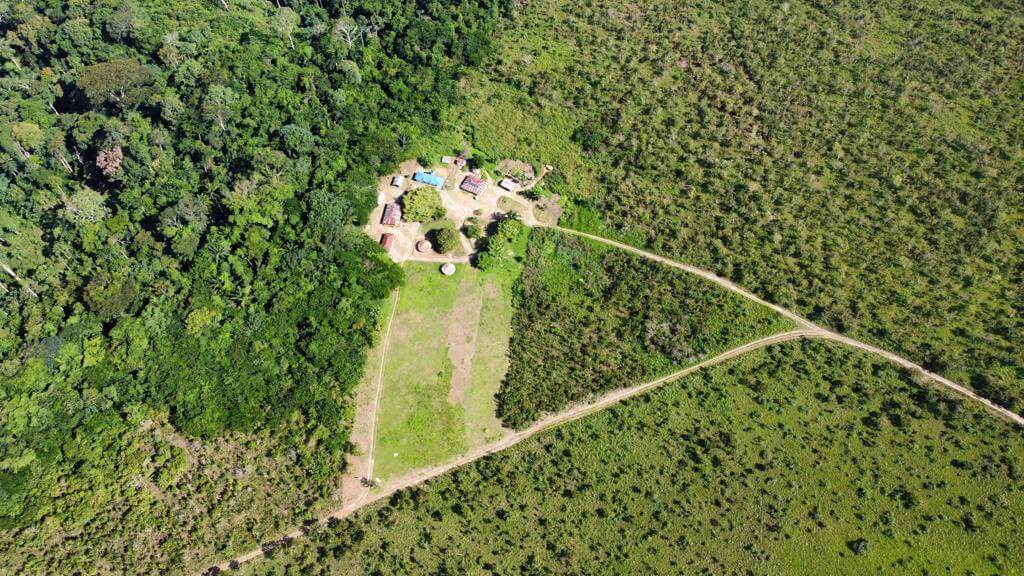
Trekking Bonobos in the wild is an adventurous and rare experience that leads deep into the untouched forests of western DR Congo. Bonobos are our closest living relatives, sharing more than 99% identical DNA, and they exist only in the DRC.
This journey answers a critical question: Where to see Bonobos in Africa, and the answer leads directly to Kinshasa and Nkala in Mai-Ndombe forests.
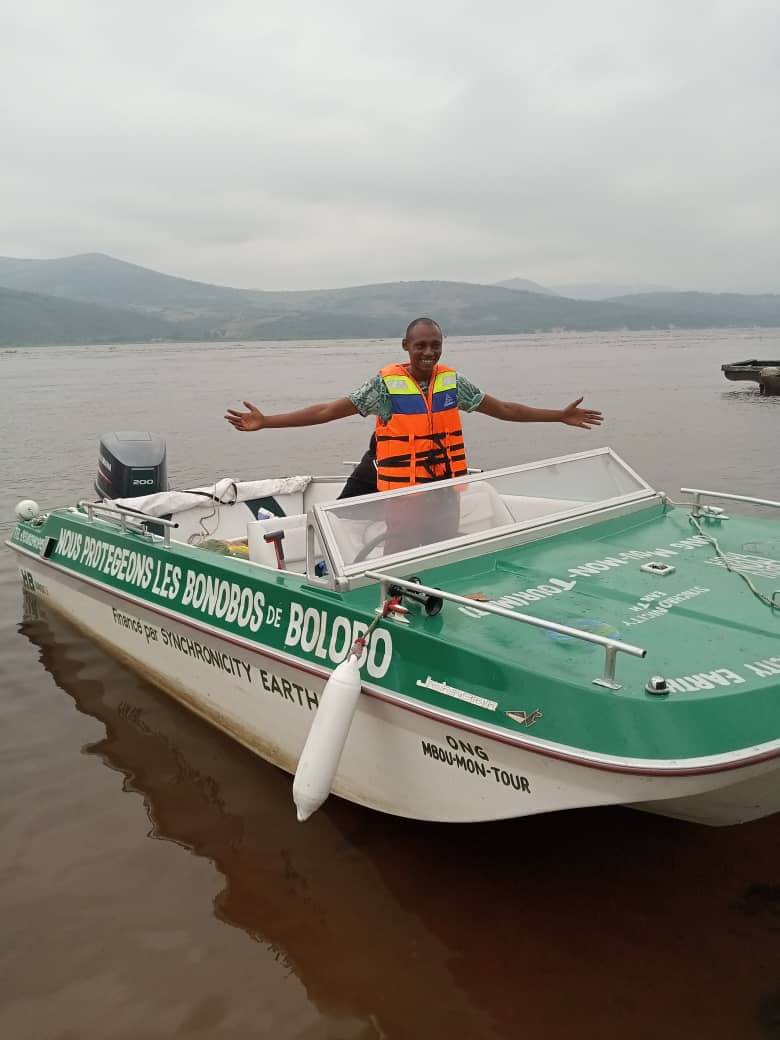
The experience begins either from Kinshasa or Brazzaville, before entering a complex river-and-road corridor:
From Tchumbiri, travelers continue by 4×4 Toyota Land Cruiser for approximately 2 hours into Nkala forest camps.
The landscape shifts dramatically into dense rainforest, where trees reach 35–45 meters in height. Along the route, travelers encounter Batéké communities living along the Congo River, practicing traditional fishing and river-based livelihoods.
Why Nkala Matters for Bonobo Conservation
Nkala sits inside the Mai-Ndombe forest, covering nearly 10 million hectares of tropical ecosystem. This region holds one of the highest remaining wild bonobo populations.
Local Batéké communities play a key conservation role. They maintain a cultural taboo against eating bonobos, believing the species represents a transformed human ancestor who escaped debt and slavery.
This cultural protection model strengthens survival efforts while creating a living answer to Where to see Bonobos in Africa through community-based tourism.
For travelers seeking a controlled conservation setting and an easy to reach route, Lola Ya Bonobo offers the only orphaned bonobo sanctuary in the world.
Located near Kinshasa, the sanctuary rehabilitates rescued bonobos before reintroducing them into protected forest zones. Visitors observe feeding routines, social behavior, and rehabilitation processes under expert supervision.
Unlike Nkala trekking, this option provides easier access while still addressing Where to see Bonobos in Africa through conservation education and ethical wildlife observation.
Bonobo tourism directly supports:
Kwafrika Travel integrates tourism revenue into conservation systems, ensuring every visitor contributes to long-term species protection.
You will leave your hotel to reach Lola ya Bonobos located in a special preserve outside of Kinshasa. Groups of visitors are conducted by expert guides, after an interval of 90’ starting from 11:00 am. The last group of visitors starts the visit at 3:00 PM local time.
Both routes and options form part of the official places to see Bonobos in Africa.
In Nkala camp, you will find basic accommodations with :
This setup ensures minimal environmental impact inside bonobo habitats.
Trekking paths measure approximately 30 cm in width. Expect:
Tracking success depends on bonobo movement patterns and canopy visibility, the trekking time can vary from 5 minutes to an hour depending on the group being trekked. The trekking permit comes with two trekking options, customers couldwill see an average of between 10 and 40 individuals per trek.
Kwafrika Travel organizes group departures:
This structured model improves access to Where to see Bonobos in Africa for international travelers.

Where to see Bonobos in Africa is limited to the Democratic Republic of Congo. The main locations include Nkala in Mai-Ndombe forest for wild trekking and Lola Ya Bonobo sanctuary near Kinshasa for rescued and rehabilitated bonobo observation.
No, bonobos exist only in the Democratic Republic of Congo. They are endemic to central Congo Basin forests, making DRC the only verified answer to Where to see Bonobos in Africa for both scientific research and tourism experiences.
Nkala offers wild trekking in natural forest habitats, while Lola Ya Bonobo provides controlled sanctuary observation of rescued bonobos. Both locations answer Where to see Bonobos in Africa but deliver very different conservation and visitor experiences.
Trekking is physically demanding due to dense rainforest, early starts, and river navigation. However, trained guides lead every expedition safely. Travelers searching Where to see Bonobos in Africa should prepare for remote, off-grid conditions and moderate hiking effort.
Bonobo tourism funds protection programs, community patrols, and scientific monitoring. It also strengthens local taboos against hunting. Therefore, Where to see Bonobos in Africa is not only a travel question but also a conservation-driven ecosystem support system.
This review is based on Kwafrika Travel’s active 2026 operations in Western Congo.