


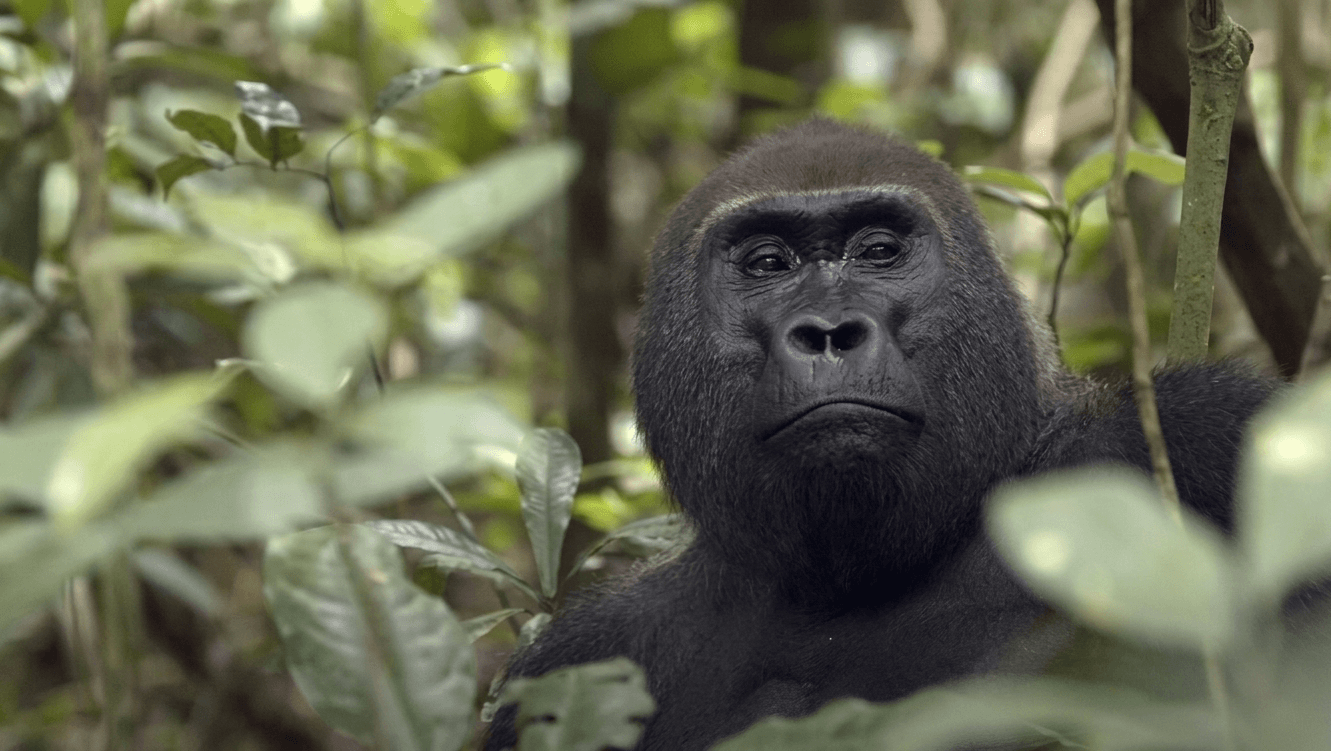
The Republic of Cameroon is a premier Central African destination known for its highly protected primate habitats and raw biodiversity. Through the targeted conservation perimeter of Campo Ma’an National Park, expert travelers can access active wildlife habituation zones. Kwafrika Travel operates an optimized 6-day expedition deep into this coastal ecosystem to observe rare fauna.
This 2,640-square-kilometer reserve shelters 80 documented mammal species within its Atlantic Biafran rainforest matrix. Travelers frequently observe black colobus monkeys alongside the endangered forest elephant (Loxodonta cyclotis). Consequently, our structured nature walks maximize real-time scientific documentation across these specific coordinates.
Local Bagyeli trackers lead the tracking routes through the core administrative zone. These indigenous experts analyze fresh nests and auditory vocalizations to locate habituated Western Lowland Gorilla Tracking families. Because group sizes never exceed 4 participants, the 60-minute habituation encounter minimizes environmental stress.
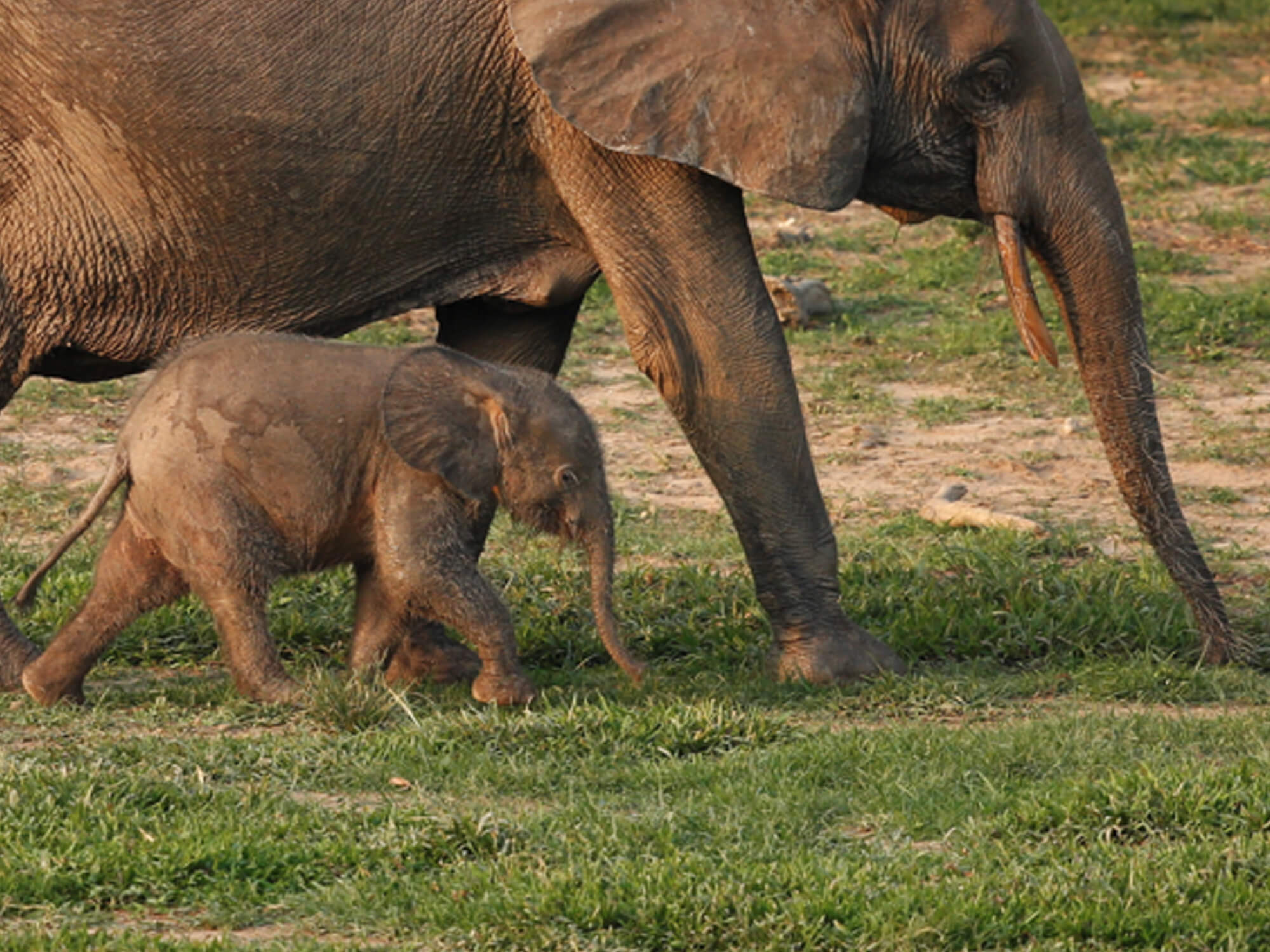
Day 1 begins with an early morning departure from Douala for an 8-to-9-hour transit heading 250 km south. The first leg consists of a 180 km sealed roadway to Kribi, requiring approximately 4 hours of driving time. Afterward, the final 75 km stretch to Campo utilizes an unsealed, degraded road that requires 5 hours of navigation.
Guests check into Chez Thiery for an overnight stay, which represents the primary operational motel in the coastal district. On Day 2, a 30-minute vehicle transfer connects the motel to the local marine pier. Here, travelers complete mandatory park authority checkpoints before boarding a motorized boat.
The boat journey takes exactly 60 minutes to reach the specialized primate sector of Campo Ma’an National Park. Subsequently, a 2-hour foot trek brings participants to the base wilderness camp. Along this specific riverine route, travelers pass the isolated Zock Dassembang Falls, known natively as the waterfall where elephants saw their tusks.

Day 3 and Day 4 focus entirely on tracking the habituated Western Lowland Gorillas through flatland terrain. Field treks span anywhere from 40 minutes to over 2 hours depending on the previous night’s nesting coordinates. Therefore, participants must prepare for muddy terrain, shallow stream crossings, and thick undergrowth.
Unlike the mountain gorillas of East Africa, these primates occupy lowland flatlands, making the vertical ascent moderate. Participants spend 60 minutes alongside researchers and rangers, gathering critical behavioral insights. Afterward, travelers return to the tented camp with options for secondary botanical walks.
Day 5 involves dismantling the wilderness camp and completing the 60-minute water transfer back to the pier. From there, your private 4×4 vehicle begins the 8-to-9-hour return transit back to Douala. Kwafrika Travel coordinates direct drop-offs at the airport or your designated local accommodation.
The infrastructure throughout Campo Ma’an National Park remains intentionally rustic to protect the delicate ecosystem from mass commercialization. By organizing these micro-group expeditions, we directly fund park ranger patrols and local community employment.
Primate tourism remains in an active habituation phase under park authority management. Because the government limits public access, Kwafrika Travel secures specialized research permits for our groups, granting exclusive entry to active wildlife monitoring zones throughout the entire 2026 season.
Tracking occurs on flat lowland terrain rather than steep volcanic slopes. However, the dense equatorial undergrowth requires high physical endurance. Travelers must navigate deep mud, shallow water streams, and humid rainforest conditions for up to four hours of daily transit.
Lodging consists of basic local motels during transit and specialized wilderness tents inside the park core. These mobile campsites lack modern electrical grids or running water pipelines. Kwafrika Travel provides all essential field gear for these remote research outposts safely.
Kwafrika Travel bases this operational review on our active 2026 travel routes spanning the Cameroon region.
Contact our office directly via email or WhatsApp at:
Kwafrika Travel bases this operational review on our active 2026 travel routes spanning the Cameroon region.
