


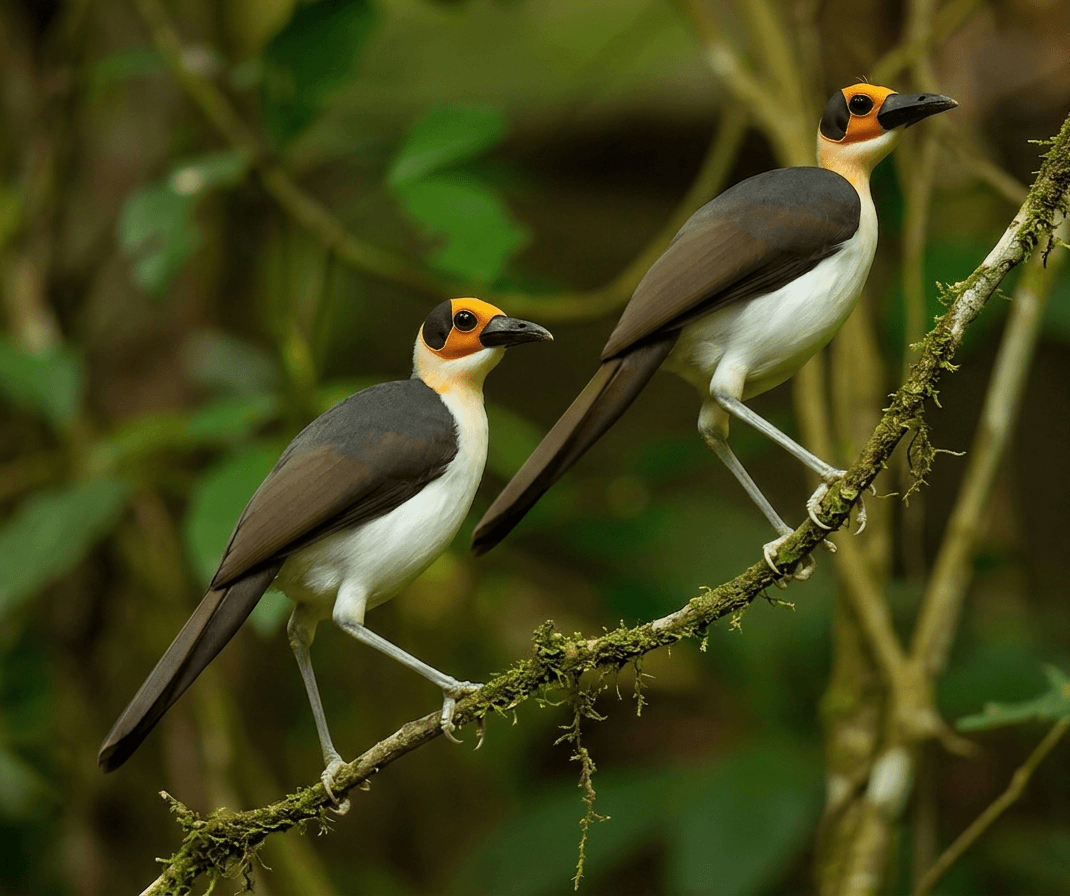
Central African Republic (CAR) remains one of the final frontiers for true wilderness explorers. In fact, this landlocked giant bordered by five nations including Chad, South Sudan, Camerron, the Republic of the Congo and the Democratic Republic of the Congo covers over 622,000 sq. km of pristine ecosystems. Furthermore, while many recognize the region for its lush rainforests and vast savannahs, it is the sky that holds the most secrets. Specifically, The Rare Birds of CAR represent a pinnacle of African biodiversity, drawing intrepid travelers into a world of vibrant plumage and haunting calls.

Moving forward, birding at Sangha Lodge offers an experience that borders on the extraordinary. To illustrate, within the Dzanga-Sangha area, the international bird-watching platform eBird have documented approximately over 400 species a staggering number for any single destination. Moreover, remarkably, you can spot 300 of these species directly around the lodge, along the 3-kilometer access road, or while wandering the carefully maintained forest trails.
Accordingly, whether you are a seasoned lister or a casual nature enthusiast, each morning reveals new sightings amidst the pristine wilderness. Ultimately, Kwafrika Travel ensures you witness this avian life in its purest form, where the rhythm of the forest dictates the day’s discoveries.
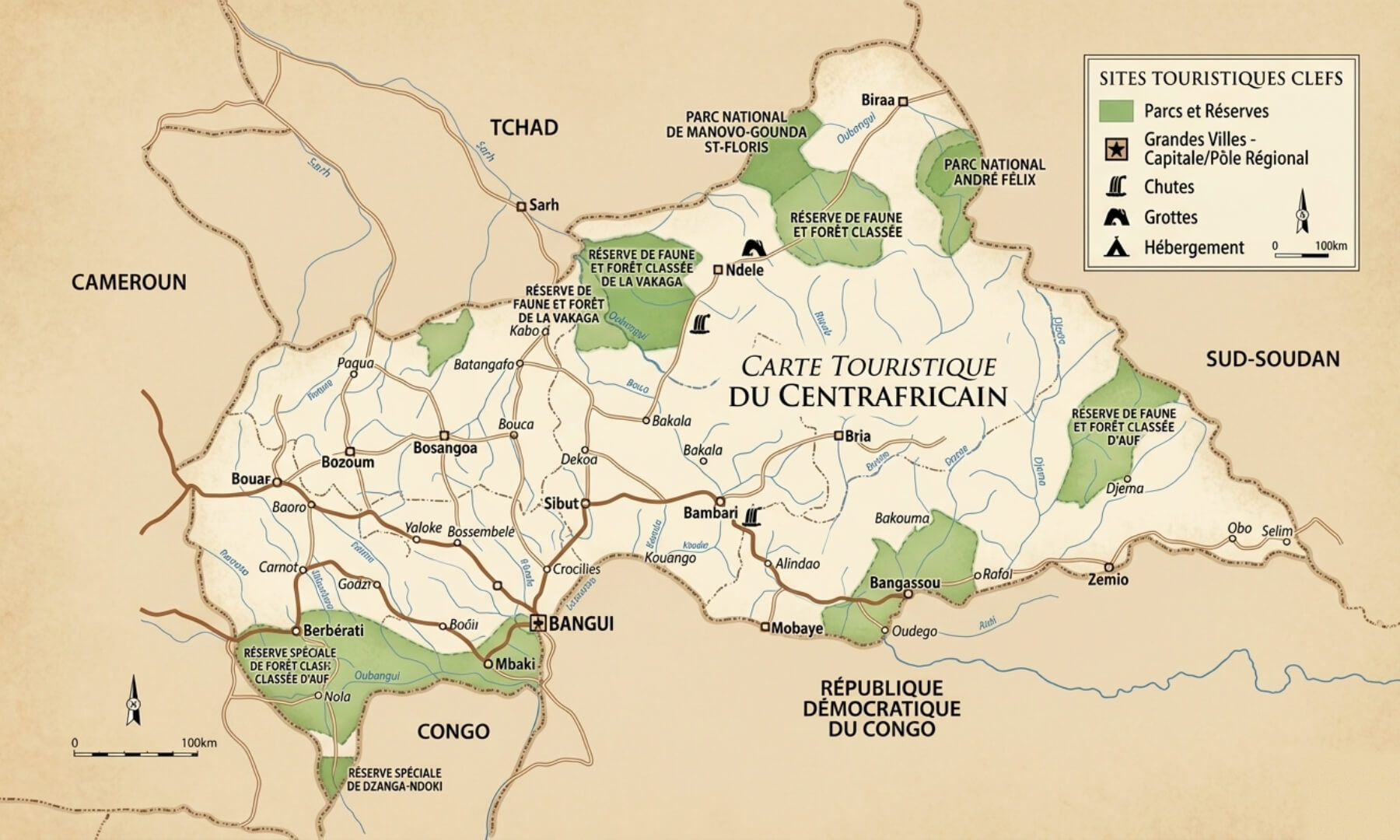
Following this, the most significant “touristic birds” in the country are those that combine charisma with regional rarity. Therefore, below is our park-by-park guide to the species that define the Central African birding circuit.
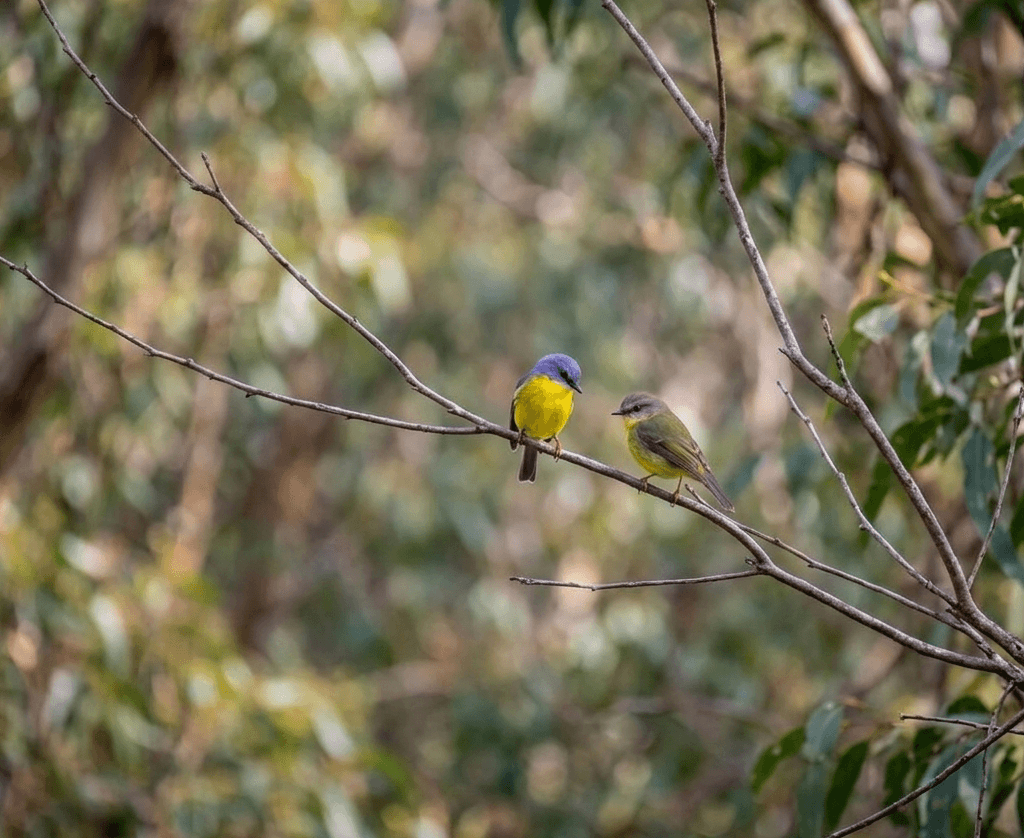
First of all, the Dzanga sangha rainforest sanctuaries serve as the primary draw for international birders. In particular, the dense canopy and river systems provide a home for some of the continent’s most sought-after flyers:
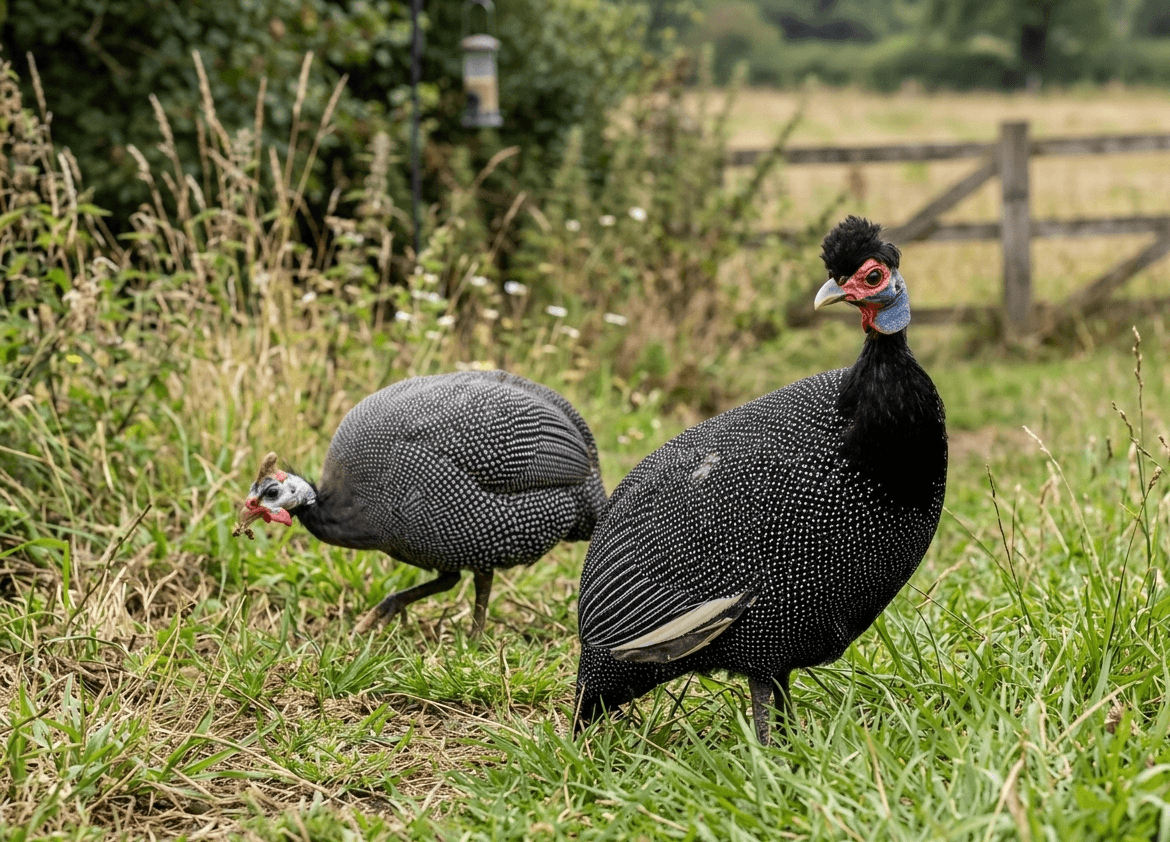
Secondly, this complex hosts more than 400 species, sharing much of its core lowland-forest belt with Dzanga-Sangha. However, the presence of the Black Guineafowl and Plumed Guineafowl makes these forest floors a specific priority. As a result, these elusive ground-dwellers remain a top goal for our trekking guests.
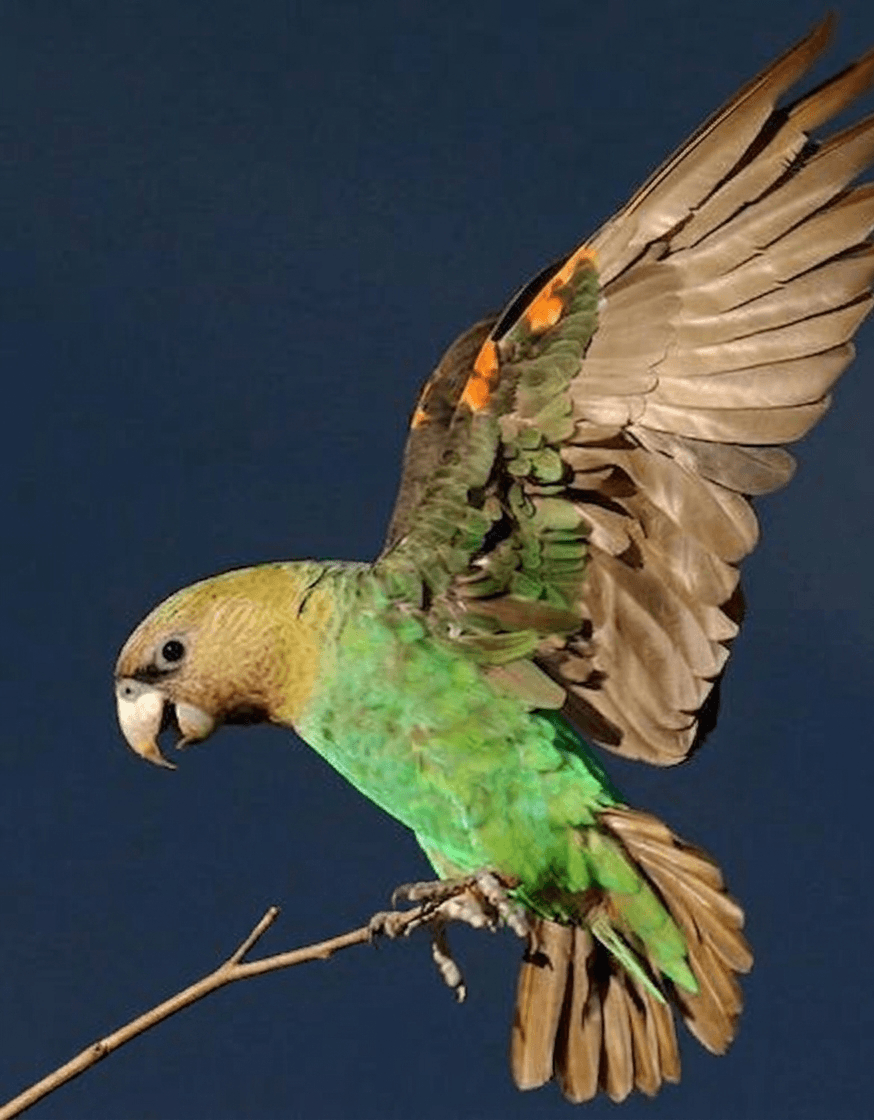
Thirdly, moving away from the deep jungle, the landscape shifts into a savanna-forest mosaic. Notably, in Chinko, the White-collared Starling and the vibrant Red-headed Bluebill steal the show. In contrast, further north in Manovo-Gounda St. Floris, the environment supports:
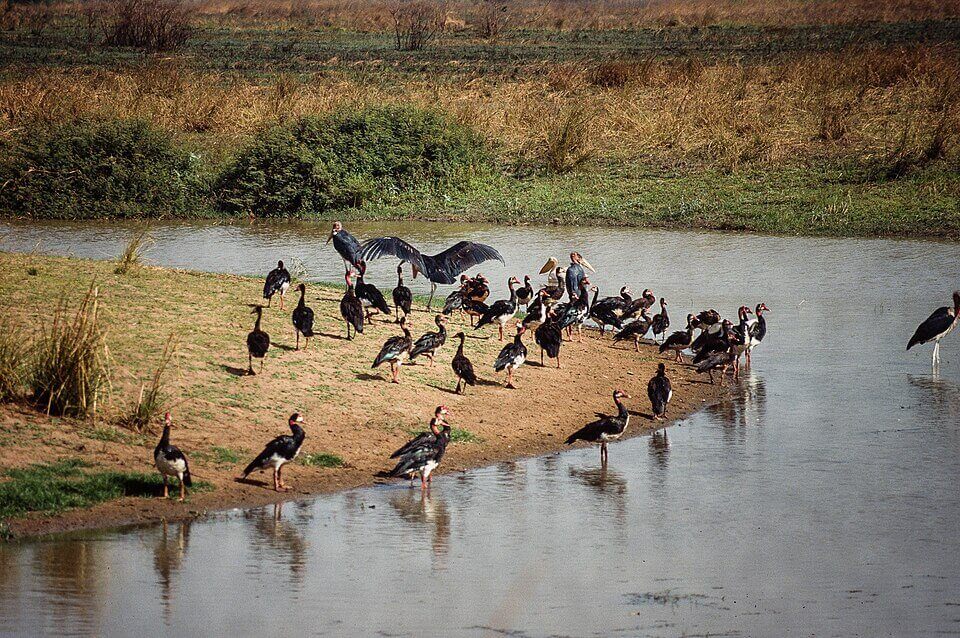
To summarize these findings, the following table outlines where to find specific avian treasures:
| Region / Park Complex | Key Species to Watch For |
| Dzanga‑Sangha | Yellow‑breasted Forest Robin, Hartlaub’s Duck, Turacos |
| Mbaéré Bodingué | Black & Plumed Guineafowls, African Green Pigeon |
| Bangui Area (IBA) | Preuss’s Cliff Swallow, Rufous‑tailed Palm Thrush |
| Chinko Conservation | Spotted Thrush-Babbler, White-collared Starling |
| Manovo-Gounda | Niam-niam Parrot, Secretarybird, Bateleur |
| Nana-Mambéré | Neumann’s Starling, Mountain Wagtail |
We do not offer bird watching as standalone tours to Central African Republic. The tour should be linked to wildlife tour in Dzangha Sangha National park or to a visit in Bangui, the capital city of the Country, in reference to the birds that can be found in each on the two locations.
Regarding your preparations, to maximize your sightings of The Rare Birds of CAR, timing is everything. We recommend visiting during the dry season specifically from December to April. By doing so, you ensure forest birds are at the peak of their breeding cycles. On the other hand, travelers should avoid the heavy rains between August and October to prevent access issues.
Beyond birdwatching, Kwafrika Travel integrates birding into a broader adventure. For example:
In conclusion, the Congo Basin is not a destination for the faint of heart rather, it is for the bold. To facilitate this, Kwafrika Travel provides the gateway to this remote world, offering expert guides and private transportation to ensure your comfort. Therefore, book your expedition today and witness the untamed beauty of the Central African Republic.
