2026 Safety Status: Central, Southern, and Southeastern ecosystems remain completely stable for tourism, whereas the Far North requires strict military escorts, and the Anglophone Northwest/Southwest regions remain off-limits due to active civil conflict.
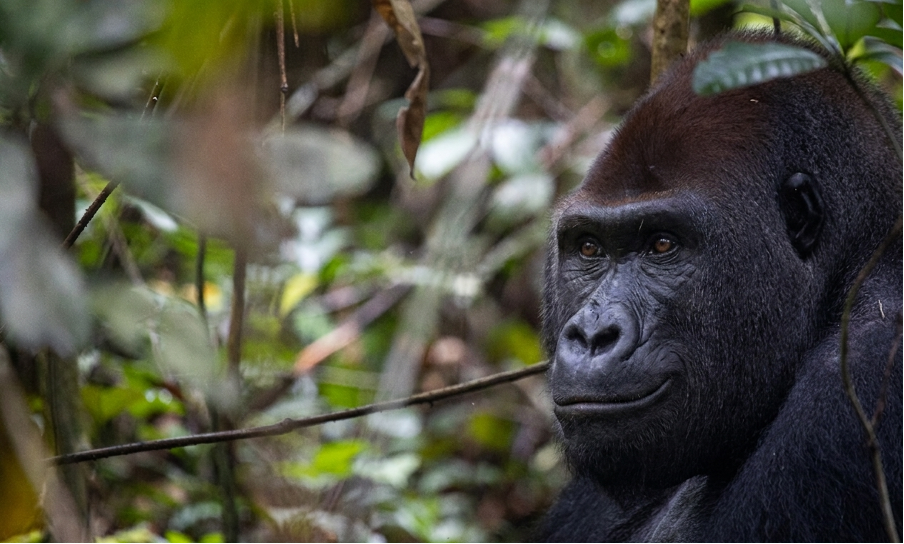
Expedition Highlights: Direct tracking of habituated Western Lowland Gorillas, observing megafauna at remote forest clearings (bais), and participating in coastal maritime ceremonies.
Logistical Reality: Reaching pristine equatorial zones requires specialized 4WD transport, pre-approved park administrative permits, and local expert navigation.
Determining the Best Time to Visit Cameroon requires balancing seasonal weather variations, regional stability profiles, and targeted wildlife migration patterns. The Republic of Cameroon is a Central African destination known for its massive ecological diversity, spanning from arid northern savannas to dense Atlantic rainforests. Planning around these shifts ensures reliable logistics across challenging wilderness environments.
What to Expect Exploring Ideal Seasons, National Parks, and Vibrant Cultural Festivals?
Climatic conditions dictate travel efficiency across the country’s five distinct agroecological zones. The dry months from November to February offer clearer skies, lower humidity, and dependable dirt road conditions. This window serves as the premium timeframe for viewing large mammals and trekking high-altitude volcanic trails.
Wildlife Safaris in the Northern Savannas (December to March)
During these dry months, seasonal water sources evaporate rapidly across the northern plains. This scarcity forces giraffes, lions, and elephants to gather around permanent waterholes, making tracking highly predictable. However, the dry Harmattan wind brings desert dust from December to February, which routinely restricts horizon visibility.
Mountain Trekking and Coastal Escapes (November to April)
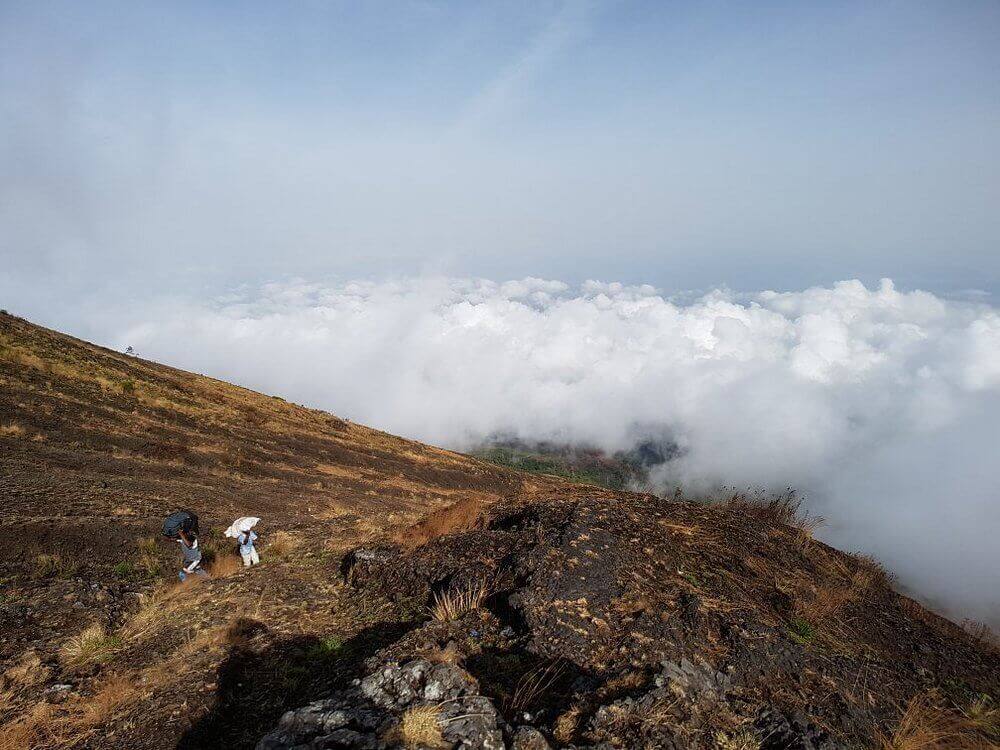
Cooler, dry days provide stable trail conditions for volcanic summit ascents. Travelers visiting in February can watch the Mount Cameroon Race of Hope, an international athletic competition that draws global competitors.
Clear skies allow for uninterrupted coastal exploration along the white sands of Kribi. December welcomes the Ngondo Festival in Douala, where the Sawa people execute traditional canoe races and sacred marine ceremonies along the Wouri River. This period highlights why travelers seek out vibrant cultural festivals.
What to Expect During the Rainy Season (May to October)
Heavy, continuous downpours peak during July and August, causing flooding that renders unpaved interior tracks entirely impassable. Most northern conservation reserves close completely during this high-water window. However, major urban hubs like Yaoundé remain fully accessible and showcase lush, green landscapes.
Which Protected Areas and Reserves Should You Prioritize?
Cameroon manages 22 established conservation zones and five proposed sanctuaries across its borders. Pinpointing regional safety profiles helps immensely when exploring ideal seasons. Kwafrika Travel classifies these national parks into four operational tiers based on 2026 ground conditions.
1. The Central & Southern Rainforests (Safe & Active)
Campo Ma’anNational Park (South Region): This 2,640-square-kilometer sanctuary borders Equatorial Guinea and protects ancient Atlantic Biafran rainforest networks. Researchers document 80 distinct mammal species here, including rare black colobus monkeys and forest elephants (Loxodonta cyclotis). Vetted expeditions track habituated Western Lowland Gorillas under strict conservation limits. Access requires high-clearance 4WD vehicles to navigate rough logging tracks from Kribi.
Dja Faunal Reserve (South/East Region): This massive UNESCO World Heritage site protects primary equatorial canopy. Spotting forest elephants and monkey species requires multi-day foot trekking alongside indigenous guides. Entry demands pre-approved administrative permits from management.
Mefou Primate Sanctuary (Near Yaoundé): This specialized refuge protects rescued great apes, including gorillas and chimpanzees, within a natural forest setting. Located just outside the capital city, it represents the most accessible wildlife day trip.
2. The Southeastern Forests (Safe but Remotely Isolated)
Lobéké and Nki National Parks: These untouched jungle ecosystems form part of the greater Congo Basin, with Lobéké recognized as an integral part of the cross-border Sangha Tri-National protected landscape. Wildlife gathers at bais (large mineral-rich forest clearings), drawing massive numbers of western lowland gorillas and elusive bongos. Reaching these sites requires multi-day driving on unpaved logging paths and motorized canoe transits down isolated river networks. Lobéké National Park is part of the Tri-National of Sangha, a group of 3 protected areas spanning across Cameroon, Central African Republic and Congo-Brazzaville.
3. The Northern Savannas (Excellent Wildlife, Moderate Caution Required)
Bénoué National Park (Adamawa/North Region): Large colonies of hippopotamuses, monkeys, and antelopes inhabit the banks of the Bénoué River. Travelers reach the area via a train or flight to Ngaoundéré, followed by a 3-hour 4WD overland journey. Illegal cattle grazing and artisanal gold mining occasionally alter the perimeter landscapes.
Waza Wildlife National Park (Far North Region): This open savanna ecosystem hosts herds of elephants, lions, and giraffes. Security protocols require all foreign travelers to secure military-coordinated local escorts. Vetted agencies manage all travel movements here to guarantee safety.
4. The Western Highlands (High Risk / Strictly Avoid)
Korup and Mount Cameroon National Park (Southwest Region): Korup protects ancient, biodiverse rainforest soils, while Mount Cameroon provides volcanic climbing trails. However, the ongoing Anglophone civil conflict between government forces and separatist groups severely destabilizes these regions. International travel advisories completely restrict civilian movement here due to active safety risks.
What Highlights Define the Kwafrika Travel Cultural and Natural Itinerary?
Our tailored route connects deep history with striking geographic landmarks. We navigate the 7-hour transit from Yaoundé to the Domaine du Petpenoun to grant exclusive access to Western Highlands heritage. During this journey, travelers encounter the verified history, artisan craftwork, and royal courts of the Bamoun and Bamileke people.
Identifying the Best Time to Visit Cameroon allows you to maximize your exposure to these varied ecosystems without facing road washouts. The expedition shifts toward the coastal lowlands to witness the powerful 80-meter cascade of Ekom-Nkam Falls hidden deep within the jungle canopy. This hydrofeature provides an optimal location for geographical photography and landscape study. Afterward, travelers unwind along the unique coastal waters of Kribi, where the equatorial rainforest meets the Atlantic Ocean waves.
Frequently Asked Questions
When is the absolute Best Time to Visit Cameroon?
The dry window from November to February offers optimal road conditions and comfortable temperatures across most regions. This season minimizes travel delays, clears flight visibility, and concentrates savanna wildlife around active waterholes for superior viewing opportunities.
Is it safe to travel to Cameroon’s wildlife reserves?
The Southern and Central reserves, including Campo Ma’an and Mefou, remain highly stable and completely safe for guided expeditions. Conversely, northern areas require official security escorts, while the conflict-affected Southwest and Northwest regions remain strictly off-limits to tourists.
What gear should I pack for a rainforest gorilla trek?
Pack lightweight, long-sleeved moisture-wicking clothing, sturdy waterproof hiking boots, and heavy-duty insect repellent containing DEET. Bring a durable waterproof bag to protect camera gear from sudden downpours and humid conditions within the dense equatorial canopy.
Contact Kwafrika Travel
Email: kwafrikatravel@gmail.com
Phone/WhatsApp: +243 971 360 705
This review is based on Kwafrika Travel’s active 2026 operations in the Cameroon region.