


The Democratic Republic of the Congo (DRC) is a destination of staggering proportions—a Central African giant roughly the size of Western Europe that offers unparalleled cultural depth and natural wonders, from the rhythmic rumba of Kinshasa to the majestic Zongo Waterfalls. However, prospective travelers often find themselves at a crossroads of curiosity and caution. This hesitation stems from high-level international travel advisories and persistent media reports focused on unrest in the country’s far eastern provinces. Because the DRC is the second-largest country in Africa, these headlines often paint the entire nation with a single brush, leading many to wonder if a visit in 2026 is a calculated risk or a safe adventure. To truly understand the safety of the Congo, one must look past the broad warnings and recognize that stability is a matter of regional geography.
Many people are asking: Is visiting Congo in 2026 safe now? Despite international travel advisories, especially those from countries like the United States warning against travel to the Democratic Republic of the Congo (DRC) due to unrest in the eastern regions, it’s important to understand the full picture. The truth is, visiting Congo in 2026 is safe, depending on where you go.
The DRC is vast, spanning approximately 2.34 million square kilometers, roughly the size of all of Western Europe combined. That includes countries like France, Germany, Spain, Italy, and the UK. It’s also the second largest country in Africa, behind only Algeria. This immense size means that while conflict may be occurring in the far eastern provinces, the western part of the country remains stable and peaceful.
Take Kinshasa, for example, located over 2,000 kilometers from the conflict zone. Life there is vibrant and welcoming, and tourism continues without interruption. Our Western Congo Director, Mr. Kyeya Mwana Buhini Gloire, confirms:
“The situation in Kinshasa is calm. While people here are concerned for their brothers and sisters in the east, day-to-day life and business continue normally. Visitors are safe and warmly welcomed.”
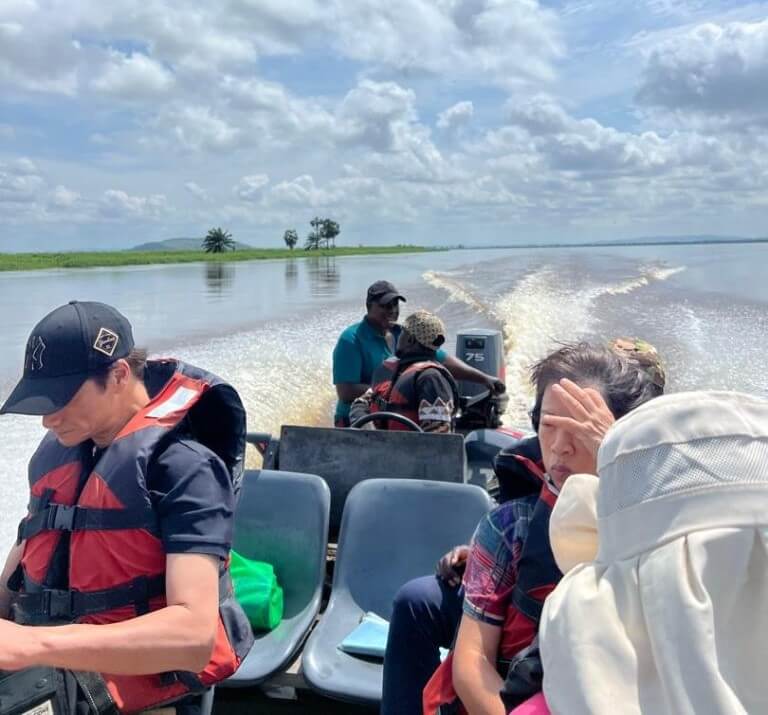
Late 2025, Ms. Garcia-Rosario Idalia and Mr. Rivera-Cruz Jaime traveled from the United States for a 4-day Western Congo tour, just after the U.S. issued a “Do Not Travel” advisory. Initially hesitant due to the media reports, they decided to come to Kinshasa first, and were amazed by the safety, culture, and hospitality they encountered.

Their trip included visits to Kinshasa’s cultural gems: the Académie des Beaux-Arts, the National Museum, Independence Square, and the Laurent-Désiré Kabila Mausoleum. They also explored the lush Parc de la Vallée de la N’sele, the Bonobos Sanctuary, and the breathtaking Zongo Waterfalls in Kongo-Central province.

Despite a few concerned messages from future travelers, we continue to welcome 10 or more visitors monthly, many of whom go on to enjoy unforgettable, worry-free experiences. The feedback from guests has been overwhelmingly positive.
Let’s not forget the broader picture: international efforts are underway to resolve tensions in the east, with US president Trump alongside Qatar stepping in as a mediator between Rwanda, the DRC, and the M23. A Washington accord has been reached between Rwanda and DRC, it’s only a matter of time before peace is reflected on the ground. But rest assured that the rest of the country, especially the west, remains open, secure, and ready to be explored.
So yes, visiting Congo in 2026 is safe, especially in the west. Don’t let distant headlines deter you from discovering one of the most spectacular and culturally rich regions on Earth.
A: Yes, particularly in the west. While advisories highlight eastern unrest, regions like Kinshasa remain stable. The capital is 2,000km from conflict zones, allowing for safe, vibrant travel experiences that many tourists enjoy monthly without issue.
A: The DRC is as vast as Western Europe. This scale means conflict in the far east doesn’t impact the peaceful west. Visiting Kinshasa or the Zongo Waterfalls is as geographically removed from the unrest as London is from Kyiv.
A: Yes. A significant Washington Accord was reached between the DRC and Rwanda, mediated by the US and Qatar. These diplomatic strides are actively paving the way for broader peace, while the western provinces remain secure for exploration.
