

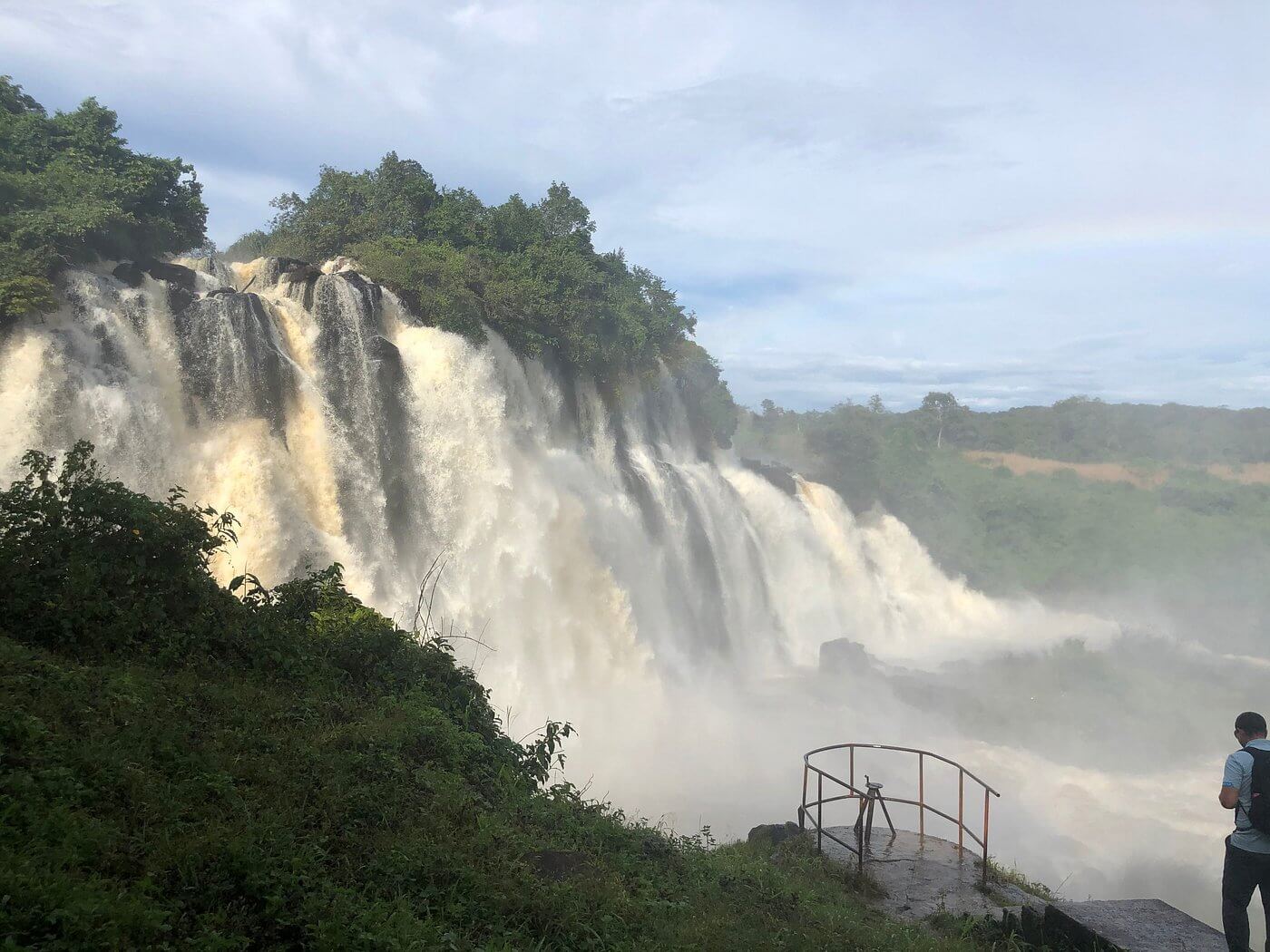
In the heart of the northwestern Congo Basin, three countries meet and protect an exceptional natural treasure. The Sangha Trinational Park (TNS) offers Eco-tourism in the Congo Basin through pristine rainforest across 750,000 hectares. This UNESCO World Heritage site connects Cameroon , Congo -Brazzaville , and the Central African Republic . It remains one of the last intact ecosystems on the planet.
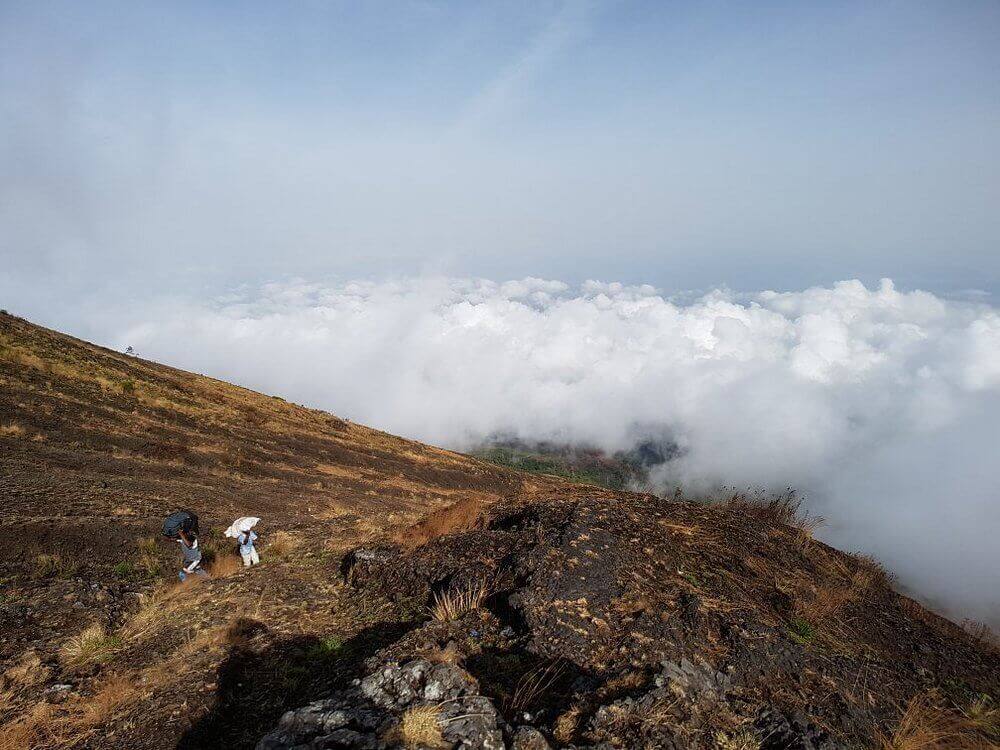
Lobéké National Park represents the heart of biodiversity in eastern Cameroon. Specifically, it serves as a sanctuary where humans and forest ecosystems coexist. The park manages a core area of 217,854 hectares. In addition, it focuses on partnerships with the Baka and Bantu people. Therefore, your visit supports both nature and local culture.
Located in the remote southwest corner of the Central African Republic, the Dzanga-Sangha Protected Areas represent one of the most pristine and biodiverse segments of the Congo Basin rainforest. As a vital component of the Sangha Trinational UNESCO World Heritage Site, this landscape is defined by its dense tropical canopy and unique “bais” natural, mineral-rich forest clearings that act as magnetic gathering points for elusive wildlife. Unlike the open savannas of East Africa, Dzanga-Sangha offers a rare, immersive jungle experience where the rhythm of the forest is dictated by the flow of the Sangha River and the ancient traditions of its indigenous inhabitants.
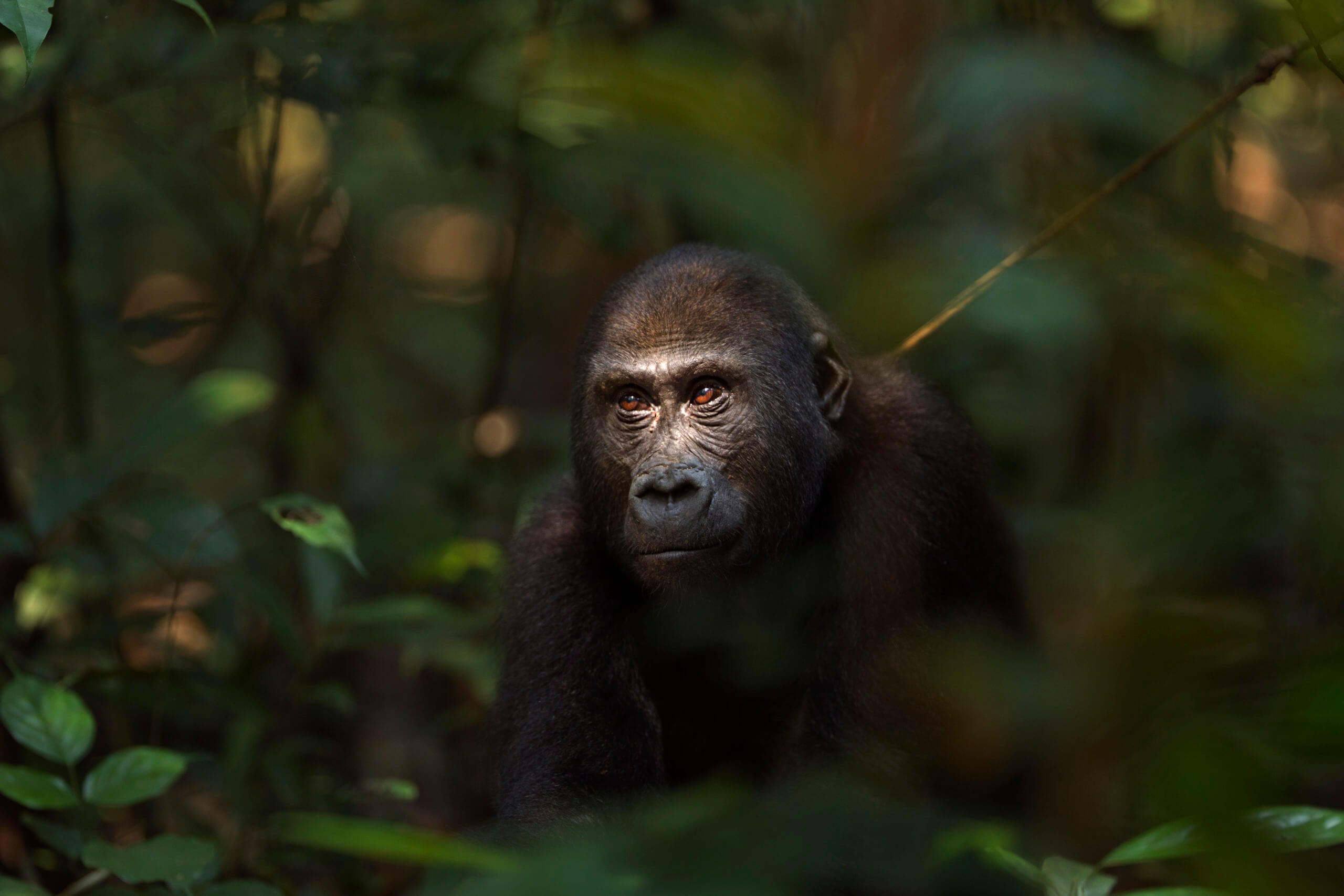
The park offers some of the most exclusive wildlife encounters on the planet, headlined by the world-famous Dzanga Bai. From a dedicated viewing platform, visitors can witness dozens, sometimes hundreds, of forest elephants congregating to socialize and mineral-hunt in the mud. Beyond the elephants, the park is a premier destination for tracking habituated western lowland gorillas and agile mangabeys through the thick undergrowth. For a deeper connection to the land, travelers can join the Ba’Aka people the forest’s traditional guardians for net hunting, medicinal plant gathering, or traditional ceremonies, or take a peaceful dugout canoe trip along the Sangha River to hidden forest waterfalls.+3
Dzanga-Sangha is more than a tourism destination; it is a critical ecological stronghold for species that are rapidly losing ground elsewhere in Africa. It supports one of the last stable populations of African forest elephants and provides a sanctuary for the critically endangered western lowland gorilla and the elusive bongo antelope. Its importance is magnified by its co-management model, which integrates professional conservation with the ancestral knowledge of the Ba’Aka community. By protecting this vast “green lung,” the park serves as a vital laboratory for wildlife research and a shield against the threats of poaching and habitat loss, ensuring the survival of Central Africa’s most iconic species.
Experience a unique Pristine Rainforest Safari in the premier park of the Central African Republic. Specifically, this park delivers the most dramatic wildlife spectacles in the region.
Dzanga-Sangha features the legendary Dzanga Bai. Consequently, hundreds of forest elephants gather here daily to mine salts. Therefore, it is a paradise for wildlife photographers. Additionally, the park offers exceptional primate experiences.
Congo Basin Adventure: Brazzaville to Dzanga-Sangha Embark on an immersive journey into one of Central Africa’s most remote and biodiverse regions. This cross-border expedition takes you from the vibrant capital of Brazzaville, through the lush northern rainforests of Congo, and into the heart of the Central African Republic.
Take a look at our featured trip to Dzangha-sangha and talk to one of our tour experts to craft an tailored itinerary fo you for your trip.

Nouabale ndoki National Park is the scientific crown jewel of the TNS region. Specifically, it is the first site globally recognized for ecological integrity. Decades of research have protected this wilderness. Consequently, the park feels incredibly remote and authentic.
For instance, ancient mahoganies tower above an untouched forest floor. Moreover, endangered species thrive in this massive green sanctuary. Specifically, visitors can observe conservation science in action.
If you are interested in exploring the heart of the Congo Basin on this 7-day expedition. From river navigation to intimate gorilla encounters, this journey delivers the best Tri-National African experience. Take a look at our featured trip to Nouabalé-Ndoki National Park and talk to one of our tour experts to craft an tailored itinerary fo you for your trip.
The Baka pygmies are the indigenous inhabitants of this vast rainforest. Specifically, they have lived in harmony with the forest for millennia. Because they possess an encyclopedic knowledge of the land, they are world-class guides.
Furthermore, the Baka are masters of medicinal plants and tracking. Additionally, their polyphonic singing is a famous cultural treasure. Specifically, these songs mimic the sounds of the forest environment. Consequently, spending time with them offers a deep spiritual connection to nature. Moreover, their presence ensures the park’s protection and long-term sustainability.
Kwafrika Travel handles the complex multi-country logistics of this landscape. Specifically, we manage your permits and transport across three borders. We ensure your Eco-Tourism in the Congo Basin Safari is seamless and safe.
Moreover, every booking funds local anti-poaching patrols and community initiatives. Consequently, your journey directly protects these fragile ecosystems. Specifically, we prepare you for the physical demands of forest trekking. Ultimately, we transform remote challenges into unforgettable adventures.