Rwanda is a landlocked East African country recognized as a luxury travel destination known for high-altitude primate conservation, clean urban centers, and strict environmental governance. Travelers who plan your Rwanda safari experience a diverse landscape spanning 26,338 square kilometers. This comprehensive Rwanda travel guide delivers accurate facts, route logistics, and lodge specifications for your journey.
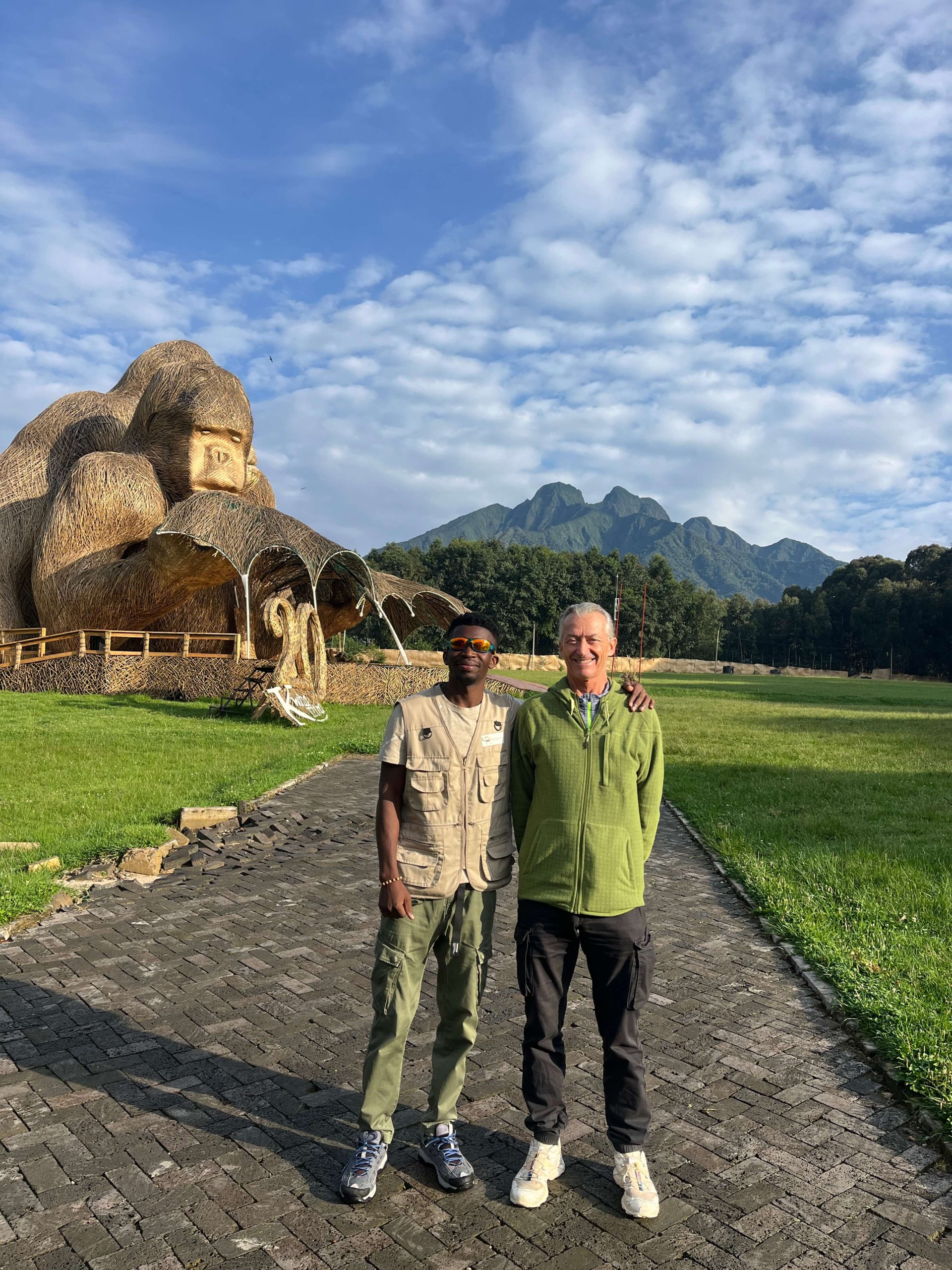
While a 100-day civil conflict in 1994 impacted the nation, decades of institutional stability have established Rwanda as a leading African economy. The country hosts approximately half of the world’s 1,000 remaining mountain gorillas within the Virunga Massif. Beyond primate habitats, visitors explore savannah ecosystems, high-altitude rainforests, and historic urban sites.
RwandAir operates direct long-haul flights from London Gatwick via Brussels three times weekly. Additionally, the national carrier connects Kigali to international transit hubs including Dubai, Mumbai, and Guangzhou. Foreign airlines serving Kigali International Airport (KGL) include KLM, Brussels Airlines, Qatar Airways, Turkish Airlines, Ethiopian Airlines, Kenya Airways, and South African Airways.
Rwanda borders four sovereign nations: Uganda, Tanzania, Burundi, and the Democratic Republic of the Congo (DRC). The Gatuna border post with Uganda operates 24 hours daily. Smaller land borders run from 06:00 to 18:00.
Border posts like Kagitumba and Cyanika (Uganda) close at 20:00. Major stations, including the Grande Barrière in Rubavu (Goma, DRC), Rusizi (Bukavu, DRC), Rusumo (Tanzania), and Nemba (Burundi), remain open until 22:00. Transit across the Burundi border currently requires a vehicle change at the frontier due to administrative regulations.
Direct public buses connect Kampala and Kigali along a 12-hour route. Modern Coast operates cross-border schedules passing through Uganda into Kenya. The Rusumo crossing lies 160 kilometers east of Kigali, requiring a 3-hour minibus trip.
Travelers can hire self-drive or chauffeur-driven 4×4 vehicles in Kigali. Vehicles drive on the right side of the road according to traffic codes. While primary paved roads maintain high surface standards, driver speeds and winding topography demand careful navigation.
Although no active passenger rail exists, ferry services operate along Lake Kivu twice weekly. The COTRALAKI Cooperative runs boats linking Rusizi, Karongi, and Rubavu.
As you you plan your Rwanda safari, please know that regional transit relies on 32-passenger Toyota Coaster midibuses departing from regional stations. RFTC minibuses serve smaller rural routes. Ritco operates long-distance state coaches nationwide. For short urban transfers, commercial motorbikes (motos) and bicycle taxis operate across all major towns.
Rwanda experiences two distinct dry periods and two rainy seasons. The primary dry season spans June through September, creating optimal trail conditions for gorilla trekking Rwanda expeditions. A secondary short dry season occurs from December through February.
The long rains last from mid-February through early June, peaking between March and May. The short rains run from mid-September to mid-December. Rainy months yield lush landscapes and higher permit availability for short-notice travelers.
Chimpanzee tracking in Nyungwe produces optimal results during rainy months when fruit resources concentrate. Birdwatchers target the November-to-March period, when resident species join Palaearctic migratory flocks.
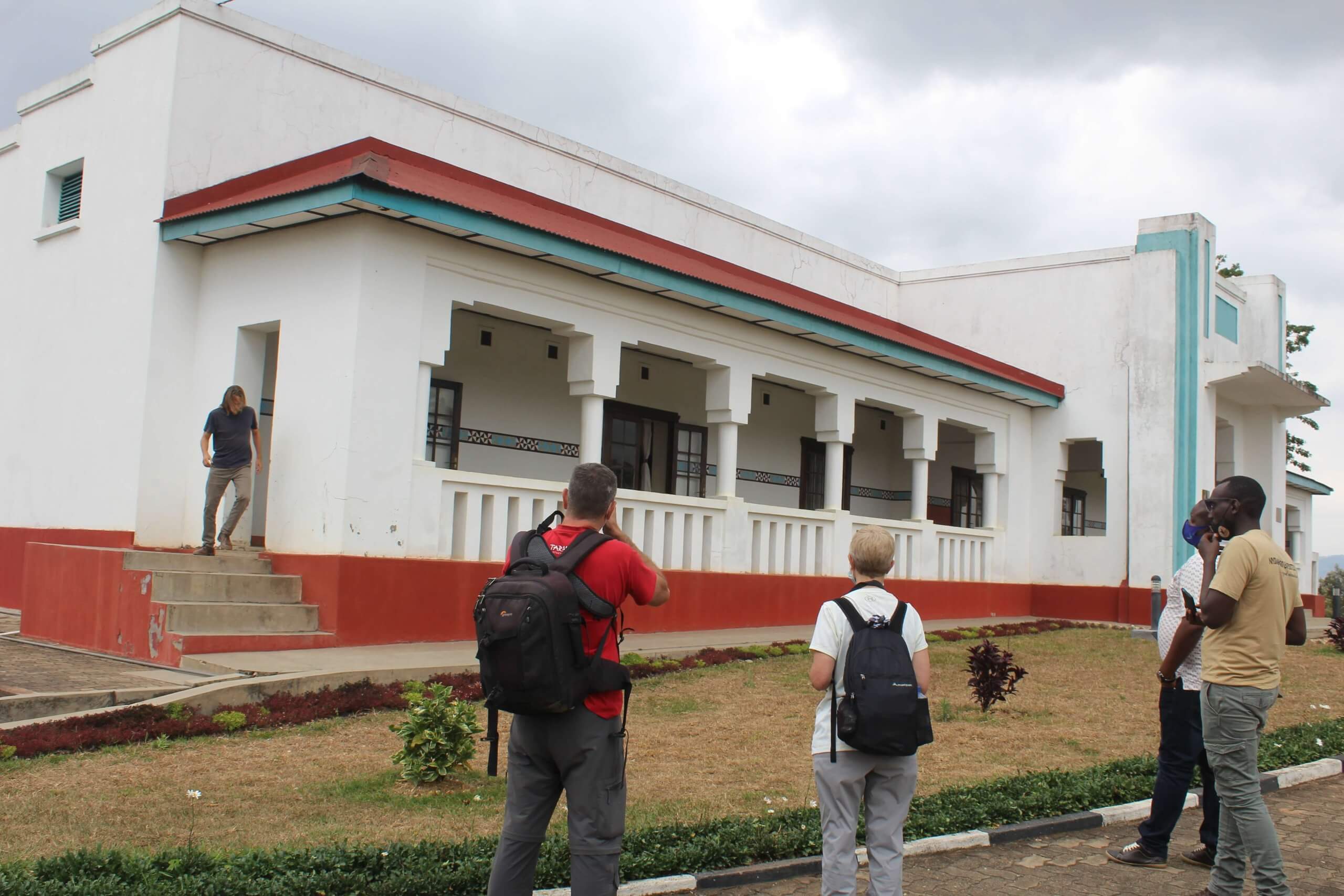
Gifted by King Baudouin I of Belgium in 1988, this facility spans 20 hectares in Huye. The 2,500-square-meter main building houses seven sequential display rooms:
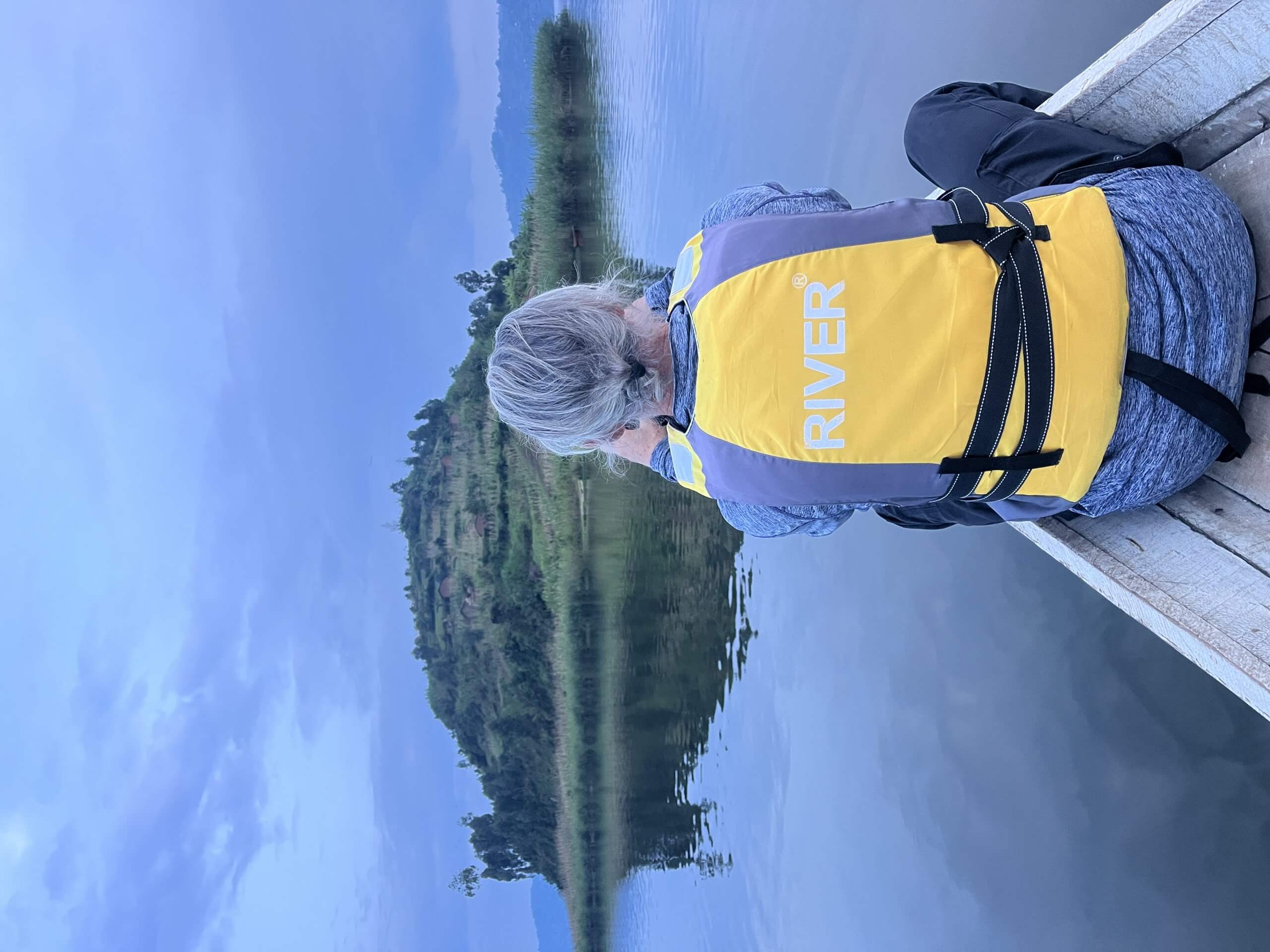
Lake Kivu spans 2,370 square kilometers along the Albertine Rift floor at maximum depths of 480 meters. Containing 333 cubic kilometers of water, it ranks among the world’s 20 deepest freshwater bodies. Idjwi Island, located in Congolese waters, covers 285 square kilometers.
Volcanic methane gas traps prevent large crocodile and hippopotamus populations from inhabiting the lake. The ecosystem supports under 30 fish species, including 16 endemic species. Three primary resort hubs serve the shoreline: Rubavu (Gisenyi), Karongi (Kibuye), and Rusizi (Cyangugu).
Located in Gisozi, this memorial serves as the final resting place for over 250,000 victims of the 1994 genocide. Opened in April 2004, the Aegis Trust manages the site alongside community peace programs.
The complex houses the Genocide Archive of Rwanda, preserving historical documents and geographic data. Visitors access multi-language audio tours in English, French, German, Dutch, Italian, and Spanish.
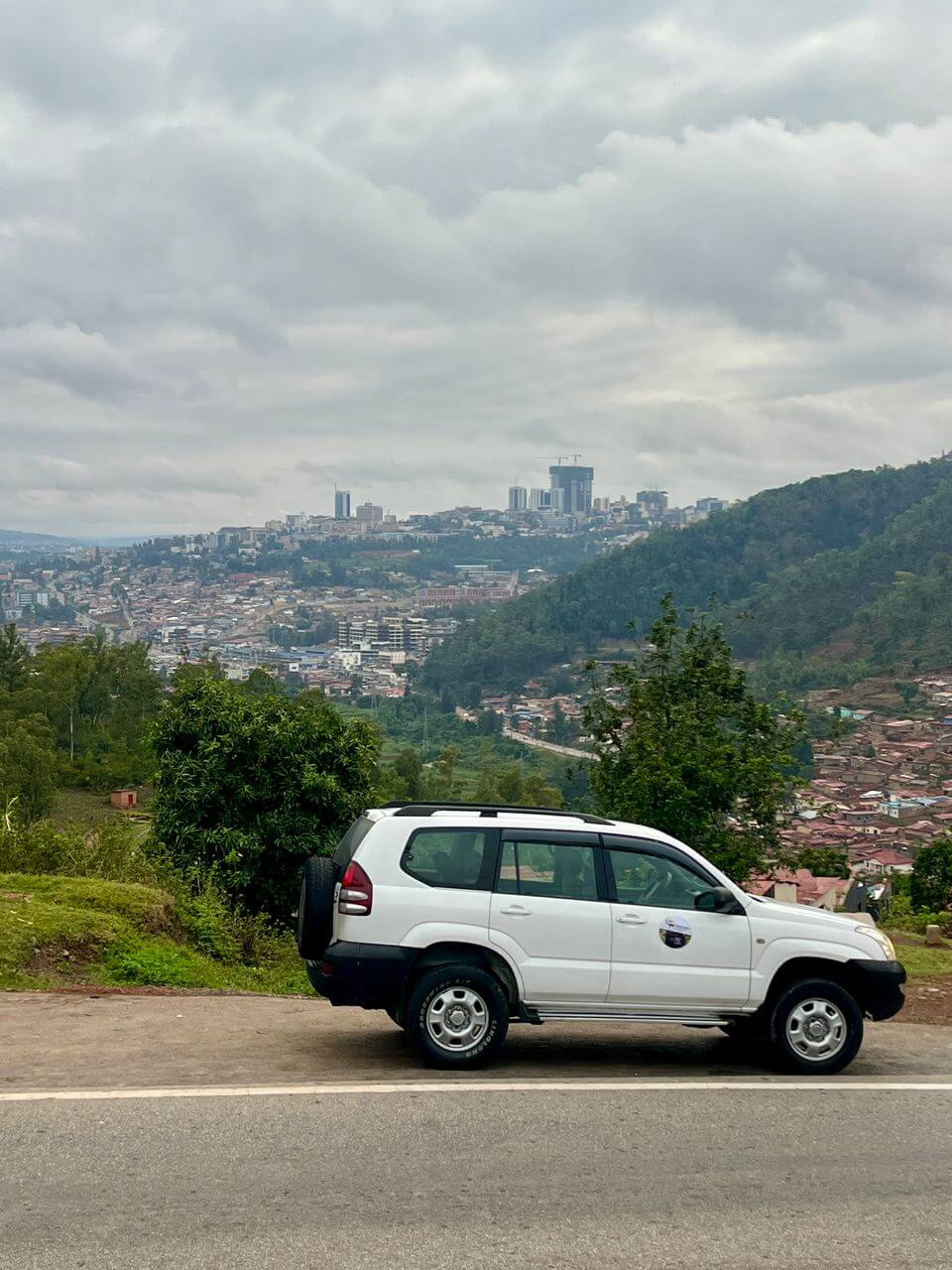
Founded in 1907 by Dr. Richard Kandt, Kigali spans elevation levels between 1,300 and 1,600 meters. The population grew from 6,000 citizens in 1962 to over 1.13 million in 2012. Commercial activity centers on Nyarugenge Hill, while government buildings occupy Kacyiru Hill.
In 2008, the UN Human Settlements Programme awarded Kigali the UN-Habitat Scroll of Honour. Major municipal additions include the $12.9 million City Hall and the $300 million Kigali Convention Centre. Booking a guided Kigali city tour with Kwafrika Travel provides historical context before you plan your Rwanda safari countrywide loop.
Akagera protects 1,085 square kilometers of savannah, papyrus swamps, and low mountain chains. Jointly managed by the Rwanda Development Board (RDB) and African Parks since 2010, the park maintains a 120-kilometer perimeter fence.
Reintroduction programs brought seven South African lions in 2015 and 18 black rhinos in 2017. Consequently, Akagera supports full Big Five populations alongside 500 bird species, zebras, giraffes, and dense hippopotamus pods.
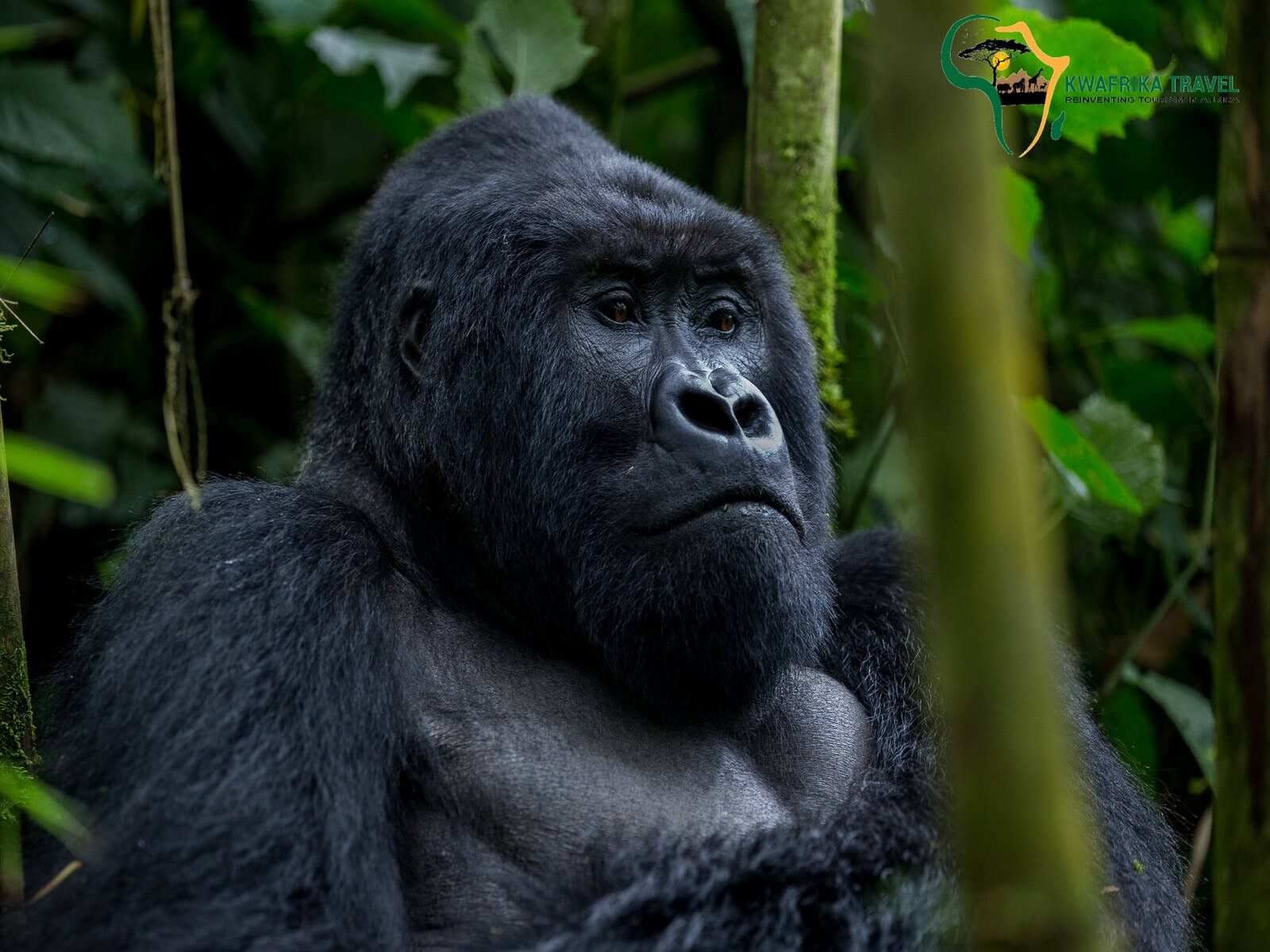
Protecting 160 square kilometers of the Virunga Mountains, this park encompasses six extinct and active volcanoes. Elevations range from 2,400 meters to Mount Karisimbi’s peak at 4,507 meters. The contiguous transfrontier conservation area links to Mgahinga National Park and Virunga National Park.
The park safeguards endangered mountain gorillas, making gorilla trekking Rwanda a premier global conservation activity. Visitors taking Volcanoes National Park tours also track golden monkeys, hike to Dian Fossey’s Karisoke site, or scale Mount Bisoke.
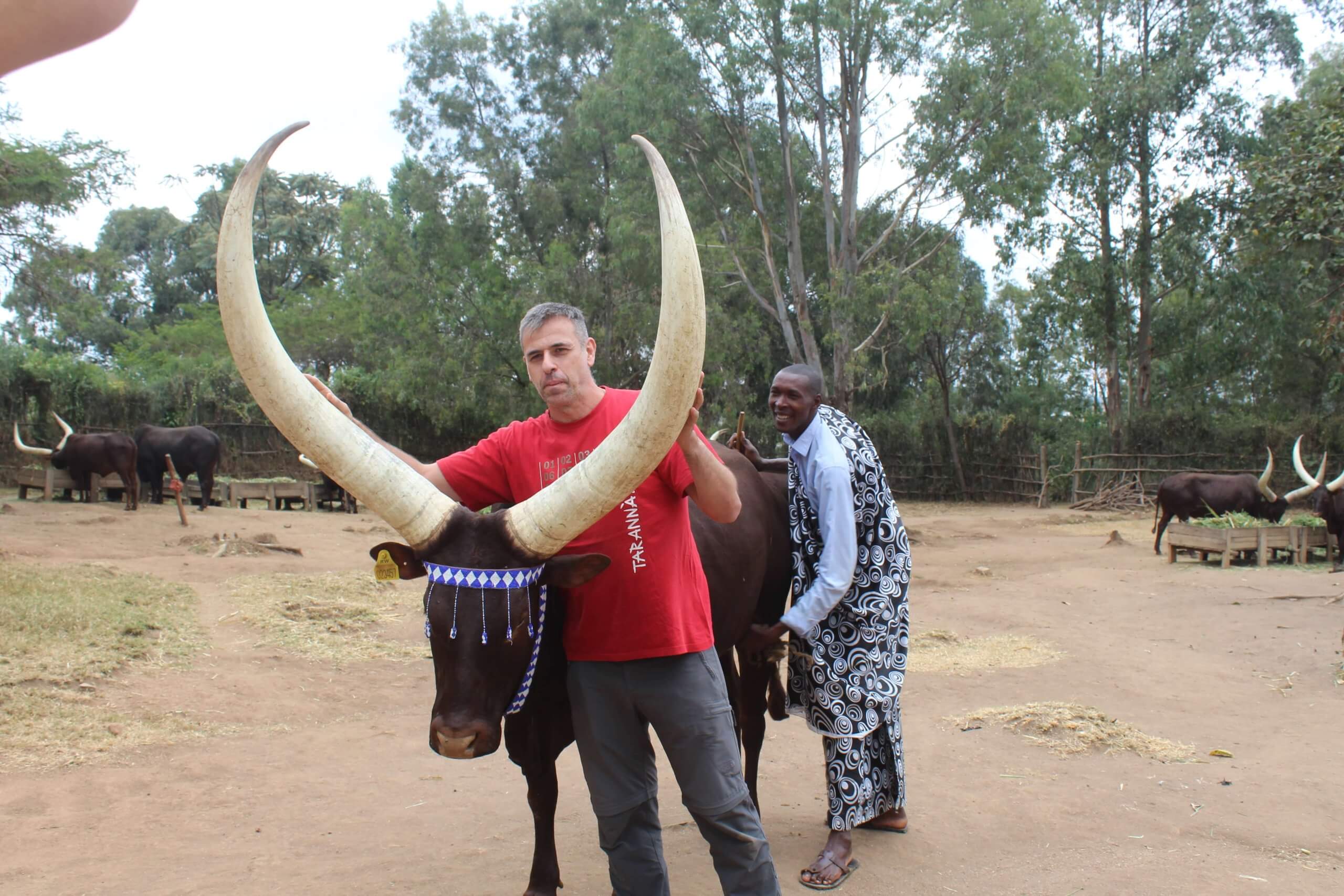
Situated on a hilltop near Nyanza, this site showcases the reconstructed royal residence of the Mwami (King). The neighboring 1932 colonial palace housed Mwami Rudahigwa Mutara III. Today, the complex exhibits historical artifacts, monochrome photography, and purebred Inyambo long-horned cattle.
Covering 1,015 square kilometers of montane rainforest, Nyungwe connects to Burundi’s Kibira National Park. A spring on Mount Bigugu (2,950 meters) represents the most remote source of the Nile River.
The park houses 1,050 plant species, 310 bird species, and 13 primate species including 500 chimpanzees. A 130-kilometer trail network and East Africa’s only suspended canopy walkway provide wilderness access.
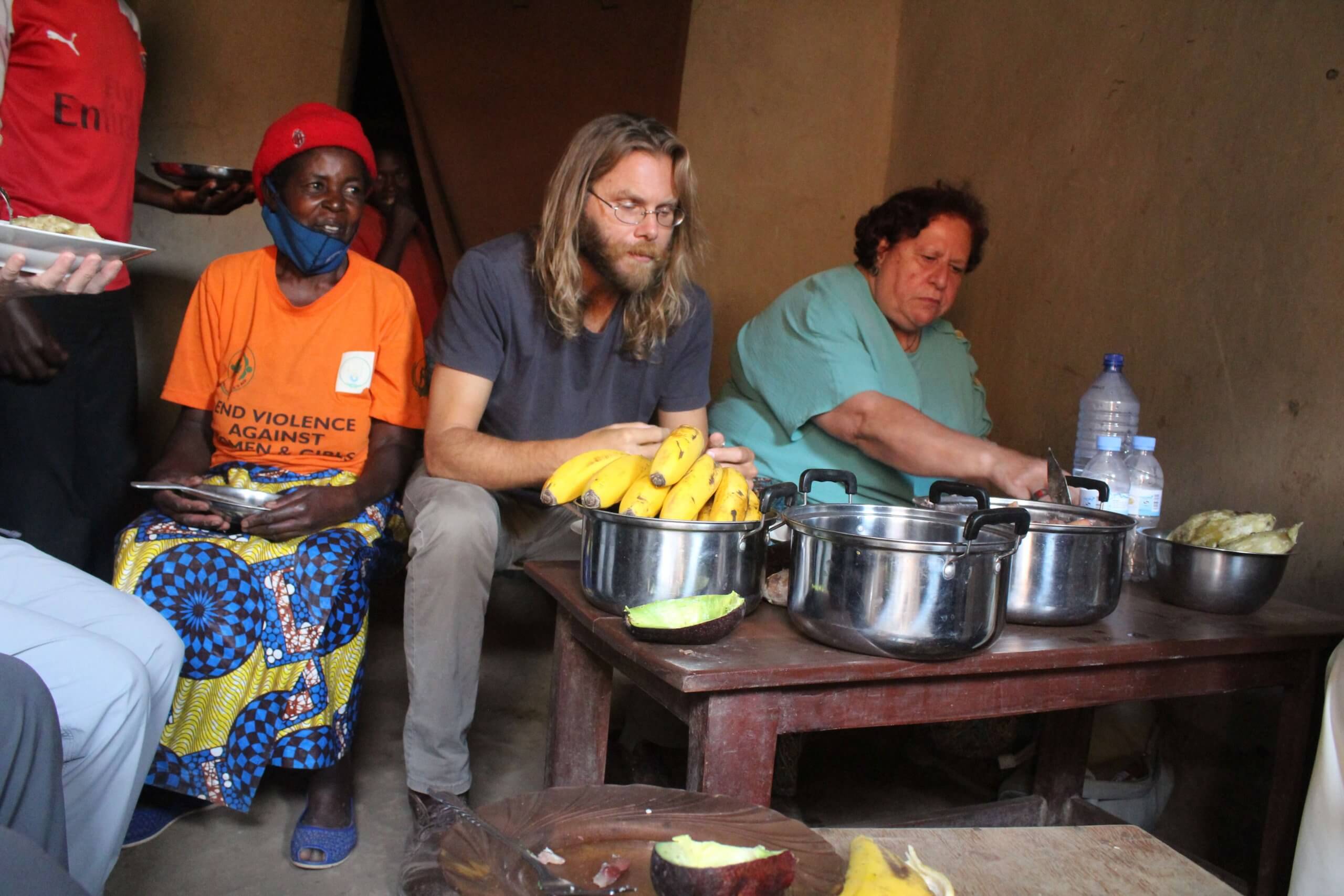
Kigali hosts international restaurants serving French, Italian, Chinese, and Indian cuisine. Local dining highlights include goat brochettes, fried tilapia, ugali (maize porridge), matoke (stewed plantains), and irish potatoes.
Commercial lagers include Primus (700ml), Mutzig, Skol, Gatanu, Turbo King, and Virunga Mist. Non-alcoholic beverages include local black tea (icyayi) and specialty Arabica coffee. Traditional banana wine (urwagwa) and Uganda-imported waragi remain widely available.
Rwanda presents minimal safety risks for international travelers. Medical infrastructure includes district hospitals, over 310 private clinics, and 24-hour pharmacies in Kigali.
Prophylaxis is recommended for high-risk malaria areas like Akagera National Park. Yellow fever vaccination certificates are mandatory for entry.
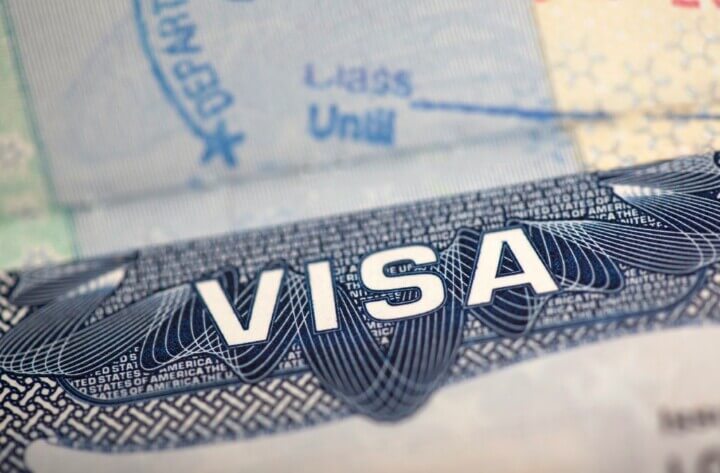
Since 2018, citizens of all nations receive a 30-day single-entry tourist visa on arrival for $30 USD. Alternatively, travelers can apply for the multi-country East Africa Tourist Visa via the official Irembo portal. Relying on an official Rwanda travel guide ensures smooth transit, whether scheduling an urban Kigali city tour or navigating land borders.
A1: Gorilla trekking permits in Rwanda cost $1,500 USD per person. This official fee covers park entry, expert trackers, armed ranger escorts, and 60 minutes of contact time with a habituated mountain gorilla family inside Volcanoes National Park.
A2: Yes, Rwanda ranks among the safest nations globally for solo and group travelers. Urban areas like Kigali maintain low crime rates, clean public spaces, well-regulated transport systems, and accessible emergency medical services across all administrative districts.
A3: The optimal safari timing corresponds with the two dry seasons: June through September and December through February. These months offer dry trekking trails in Volcanoes National Park and clear game-viewing conditions across Akagera National Park’s savannah routes.
This review is based on Kwafrika Travel’s active operations in Rwanda.