


The Republic of Rwanda is a premier, high-altitude travel destination in East Africa, earning global recognition for strict primate conservation and sustainable tourism infrastructure. Consequently, traversing the 25,000-year-old Virunga Mountain Range delivers an exclusive encounter with spectacular volcanic landscapes. Specifically, Mount Bisoke Hiking provides the ultimate one-day wilderness adventure. Kwafrika travel experts drive and guide you along this expedition. Therefore, travelers seeking an active ecosystem expedition without a multi-day commitment find this exact trail perfectly suited to their itinerary.

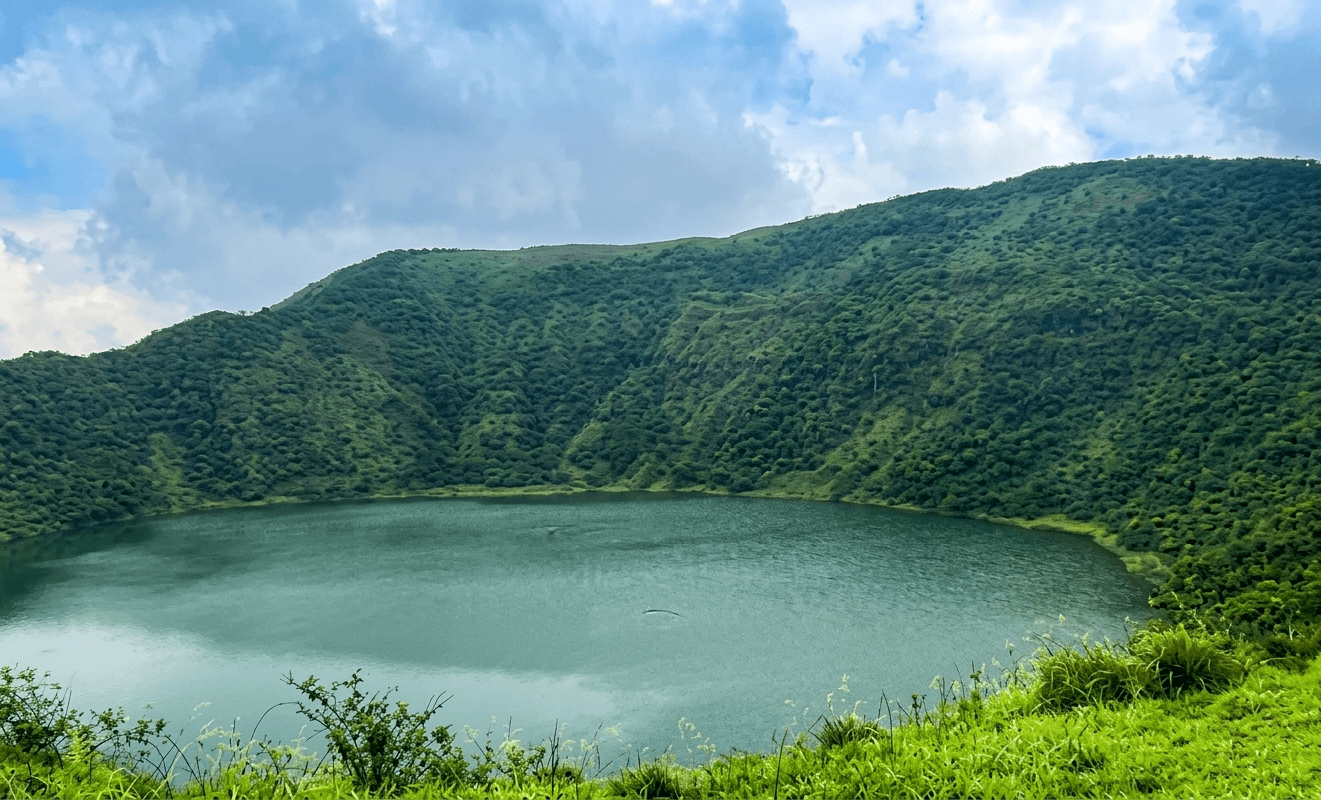
Understanding what to expect Hiking Mount Bisoke prepares you for a highly rewarding 6-hour round-trip ascent to a 3,711-meter elevation. Initially, you tackle diverse habitats, transitioning from dense bamboo forests into hagenia woodlands adorned with distinct mosses. Eventually, the steep summit trail reveals a pristine, 400-meter-wide crater lake reflecting the equatorial sky. Moreover, combining this athletic ascent with an official Gorilla Trekking excursion maximizes your wildlife exposure within the renowned park boundaries. Indeed, Mount Bisoke Hiking offers unparalleled, single-day access to unique alpine flora, elusive forest elephants, and diverse avian life.
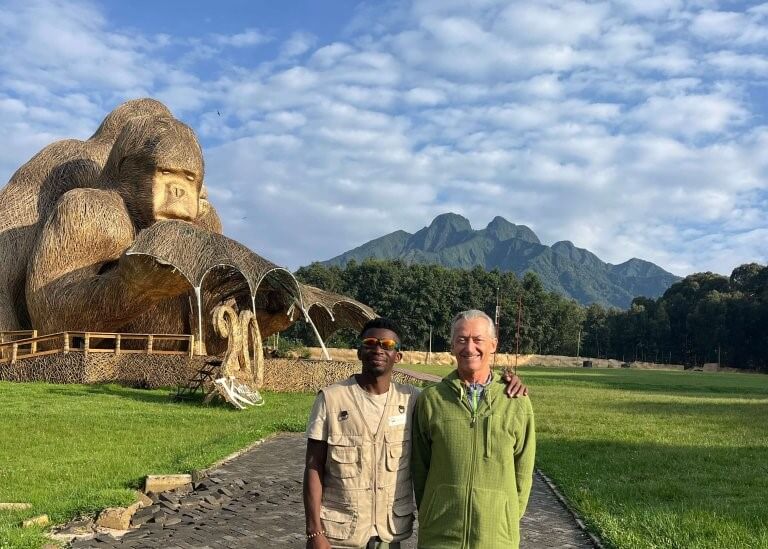
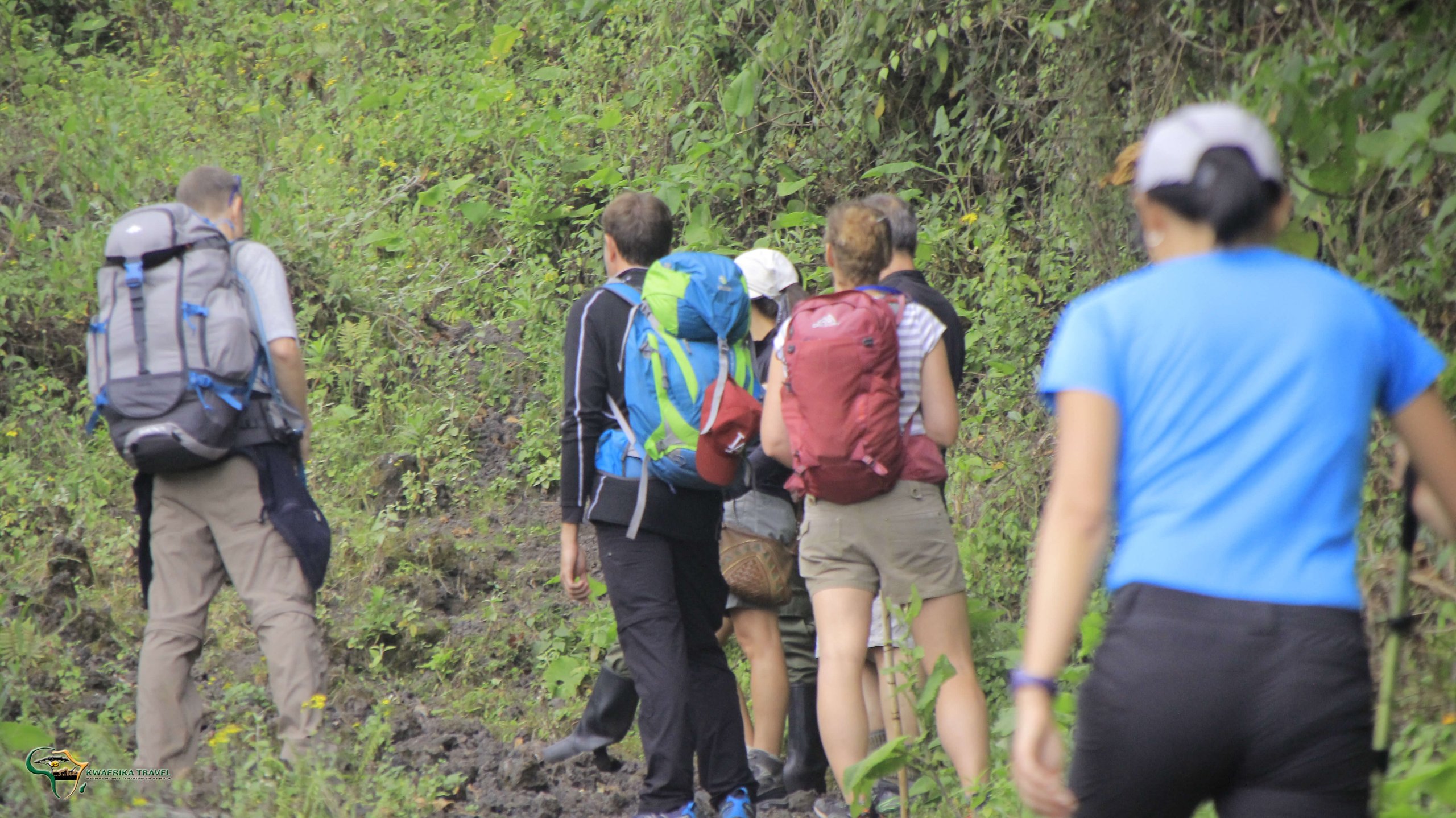
Your primary outdoor adventure starts promptly at 7:00 AM at the Kinigi park headquarters. Following a vital 30-minute safety briefing by official rangers, Kwafrika Travel experts drive you along a paved route to the 2,400-meter elevation base camp. Subsequently, you plunge directly into the indigenous bamboo forest to begin the upward trek. Because elevations range dramatically from 2,400 to 3,711 meters, trekkers must prepare physically for a rigorous 6-kilometer climb.
While scaling the volcano, you might spot unhabituated primates crossing the trail, but strict park regulations cap these incidental viewings at 10 minutes without photography. Conversely, purchasing an official $1,500 USD permit for Gorilla Trekking grants you exactly 60 life-changing minutes to photograph one of the 12 habituated primate families. Therefore, dedicated wildlife enthusiasts must book the official tracking experience separately from their summit hike. Ultimately, each distinct activity delivers a highly specialized, unforgettable wilderness immersion.
Eco-conscious explorers require lodgings that actively fund regional community conservation initiatives across official pricing tiers. Therefore, premium Rwandan properties deliver exceptional amenities utilizing sustainable, low-impact infrastructure. Analyzing your 2026 accommodation options guarantees a stay balancing raw wilderness immersion with world-class hospitality. Furthermore, these carefully selected properties maintain excellent logistical proximity to the daily starting gates.
| Accommodation Tier | Volcanoes National Park Property | Distance from Gate |
| Luxury | Bisate Lodge | Under 5 kilometers |
| Luxury | One & Only Gorilla’s Net | Under 5 kilometers |
| Luxury | Virunga Lodge | 5 – 10 kilometers |
| Mid-Range | Sabyinyo Silverback Lodge | 5 – 10 kilometers |
| Mid-Range | Five Volcanoes Boutique | 5 – 10 kilometers |
| Budget | Le Bambou Gorilla Lodge | 10 – 15 kilometers |
Determining what to expect Hiking Mount Bisoke depends heavily on your chosen travel month and current meteorological conditions. Historically, the optimal climbing window occurs during the long dry season spanning June, July, and August. During these specific months, the 6-kilometer trail remains relatively firm, allowing significantly faster ascents and descents. Conversely, undertaking Mount Bisoke Hiking between March and May introduces heavy rainfall, transforming pathways into knee-deep mud requiring specialized waterproof gear. Ultimately, seasoned Kwafrika Travel guides expertly navigate these shifting seasonal dynamics safely when you book this expedition.
The term “Bisoke” originates from the local Kinyarwanda language, translating directly to “soaked with water.” This name perfectly describes the prominent, 400-meter-wide crater lake permanently resting at the summit of this 3,711-meter East African volcano.
Park authorities classify this trek as moderate to challenging. Hikers cover 6 kilometers and ascend to 3,711 meters over six hours. You must prepare for steep inclines, muddy pathways, dropping temperatures, and lower oxygen levels near the summit.
Successful climbers require sturdy, waterproof hiking boots and durable gaiters to navigate deep mud. Additionally, you must pack thick gardening gloves for gripping prickly vegetation, a high-quality rain jacket, and at least three liters of drinking water.
This review is based on Kwafrika Travel’s active 2026 operations in the Republic of Rwanda.
