


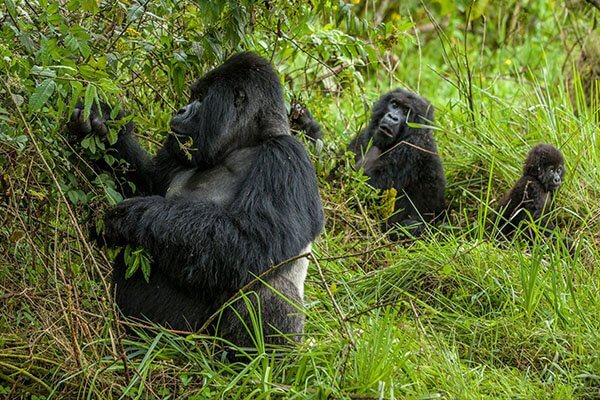
The Republic of Rwanda is a high-altitude travel destination in East Africa globally recognized for primate conservation and sustainable tourism. Booking a Volcanoes National Park Safari guarantees an exclusive encounter with endangered mountain gorillas. Consequently, planning this trip requires precision, as park authorities cap daily visitor access to protect the ecosystem. Whether you wonder what to expect visiting Rwanda for wildlife adventures or how to secure your permits, this guide covers every detail for a seamless three-day itinerary.
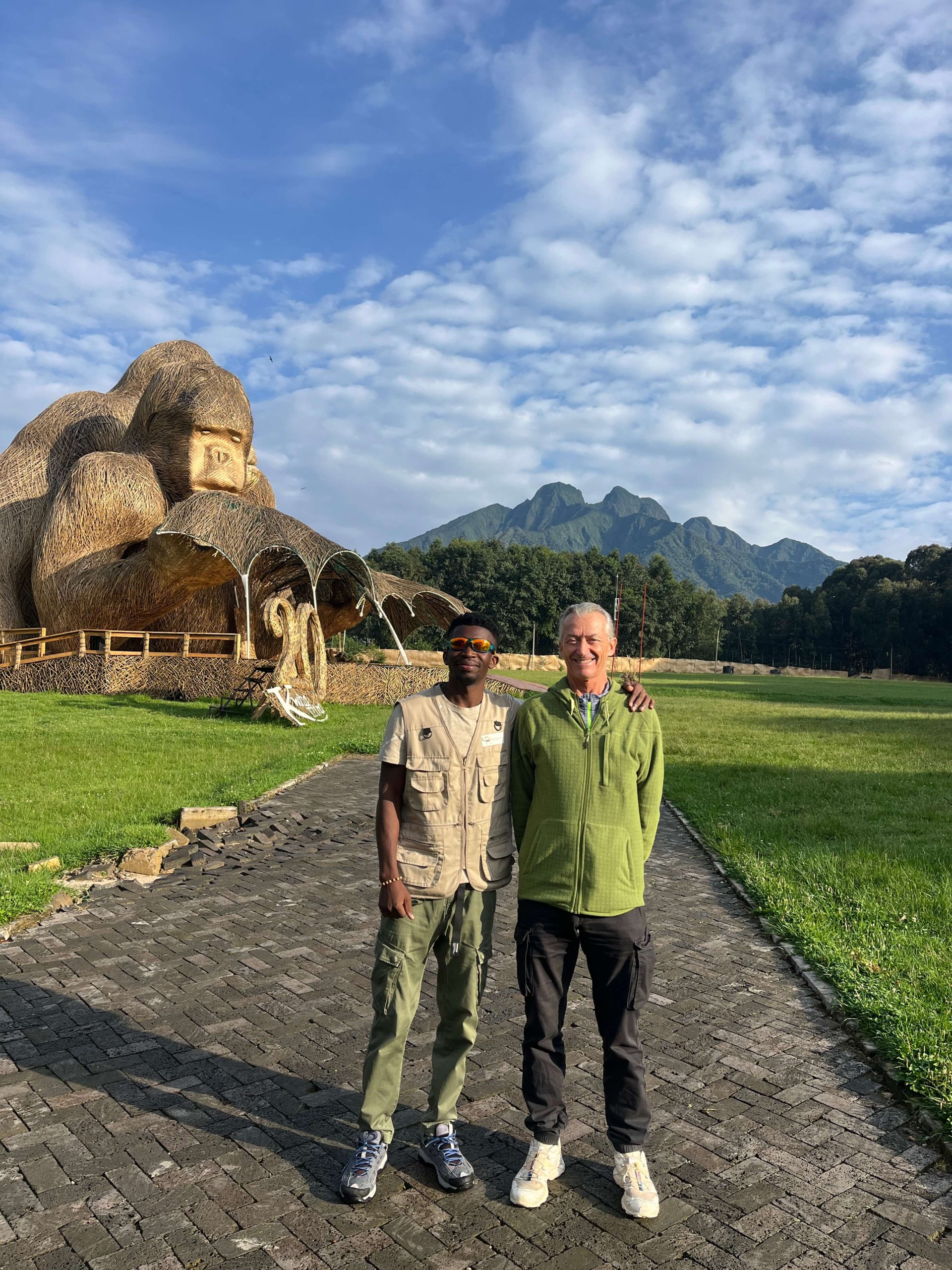
Travelers consistently ask what to expect visiting Rwanda for wildlife adventures. Initially, expect a highly organized entry process at Kigali International Airport, where a standard 30-day tourist visa can be afforded by passengers from all countries at as cheap as 30 USD. RwandAir operates direct long-haul flights from London Gatwick via Brussels three times weekly. Furthermore, a classic Volcanoes National Park Safari features a 160-kilometer scenic transfer from the capital to the Virunga Mountains. Our professional Kwafrika Travel guides ensure you comfortably navigate the 2,400-meter altitude. Volcanoes National Park Safari: Gorilla Trekking & Conservation
Your primary Volcanoes National Park Safari adventure starts at 7:00 AM at the Kinigi park headquarters. Following a vital briefing by rangers, you will hike into the indigenous bamboo forest to track one of the 12 habituated mountain gorilla families.
Because altitudes range from 2,400 to 4,500 meters, you must expect a rigorous physical challenge. Eventually, trackers will locate the apes, granting you exactly 60 life-changing minutes to observe them. Afterward, you return to your selected lodge for a hot lunch.
Here is one of our packages, it is tailored to fit various budget levels. It departs from Kigali and Volcanoes national park. Specifically, the package requires a 20% deposit upon booking, with the remaining balance due 28 days before departure.
Prices are quoted per person and exclude the mandatory $1 500 USD gorilla trekking permit. Meals and drinking water are fully included during your park days.
| Group Size | Budget | Mid-Range | Luxury |
| 1 Traveler (Single) | $2,799 | $3,099 | $3,599 |
| 2 Travelers (Shared) | $2,299 | $2,499 | $2,799 |
| 3 Travelers (Shared) | $2,269 | $2,369 | $2,599 |
| 4 Travelers (Shared) | $2,099 | $2,299 | $2,499 |
Single Supplement Fees for shared rooms: Budget ($150 USD), Mid-Range ($300 USD), Luxury ($400 USD). Note that these price are valid until December 2026 and could be subject to change without notice.
Accommodation Tiers:
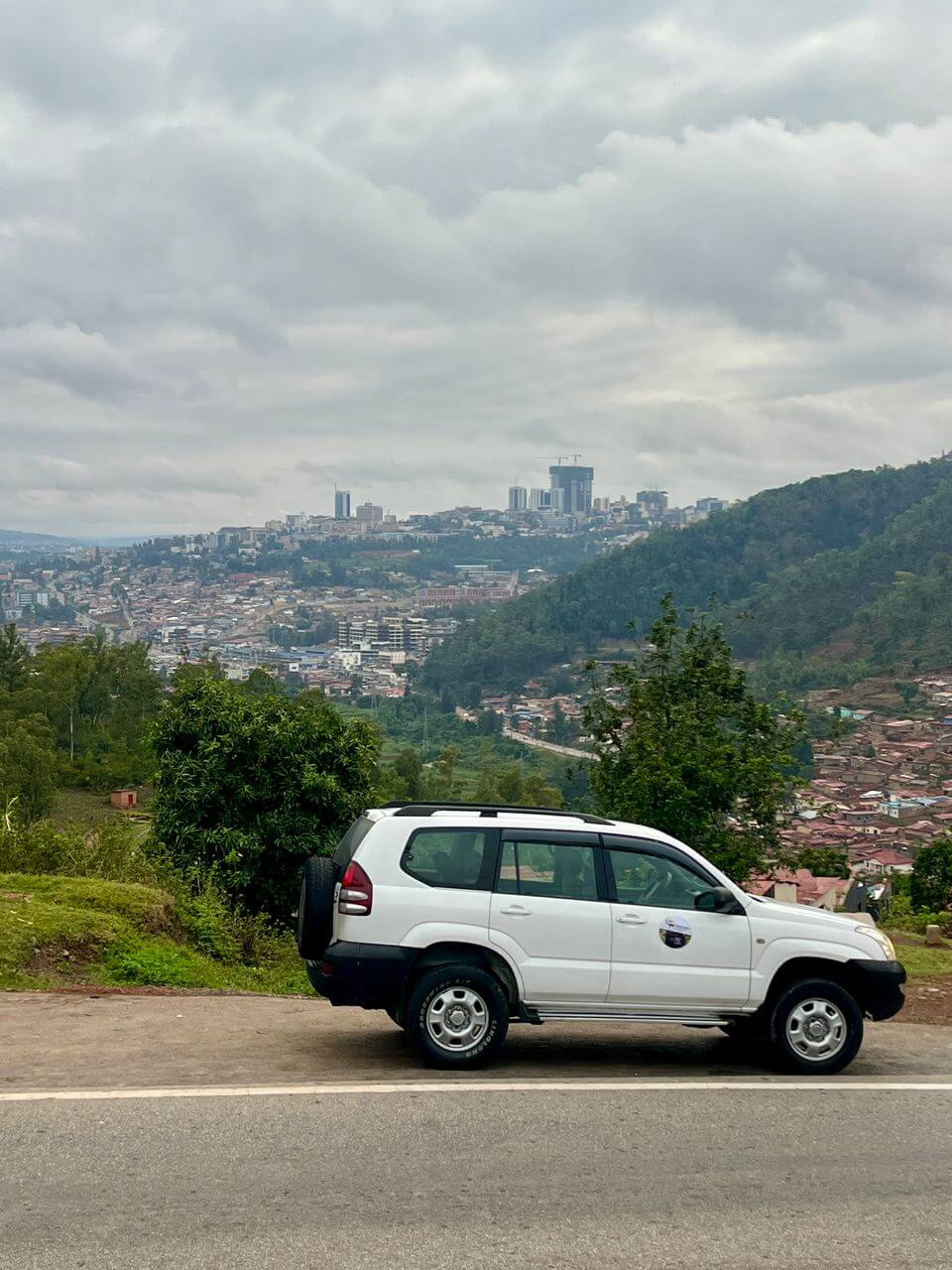
Travelers can hire self-drive or chauffeur-driven 4×4 vehicles in Kigali. Vehicles drive on the right side of the road according to traffic codes. While primary paved roads maintain high surface standards, driver speeds and winding topography demand careful navigation.
Although no active passenger rail exists, ferry services operate along Lake Kivu twice weekly. The COTRALAKI Cooperative runs boats linking Rusizi, Karongi, and Rubavu.
As you plan your Rwanda safari, please know that regional transit relies on 32-passenger Toyota Coaster midibuses departing from regional stations. RFTC minibuses serve smaller rural routes. Ritco operates long-distance state coaches nationwide. For short urban transfers, commercial motorbikes (motos) and bicycle taxis operate across all major towns.
The optimal window for a Rwandan primate trek falls during the long dry season spanning from June to September. Alternatively, a shorter dry spell between mid-December and February also yields excellent hiking conditions.
Since the park sits inside a high-altitude cloud forest, rain remains a possibility year-round. Therefore, understanding what to expect visiting Rwanda for wildlife adventures helps you prepare for muddy terrain during the April or November wet seasons.
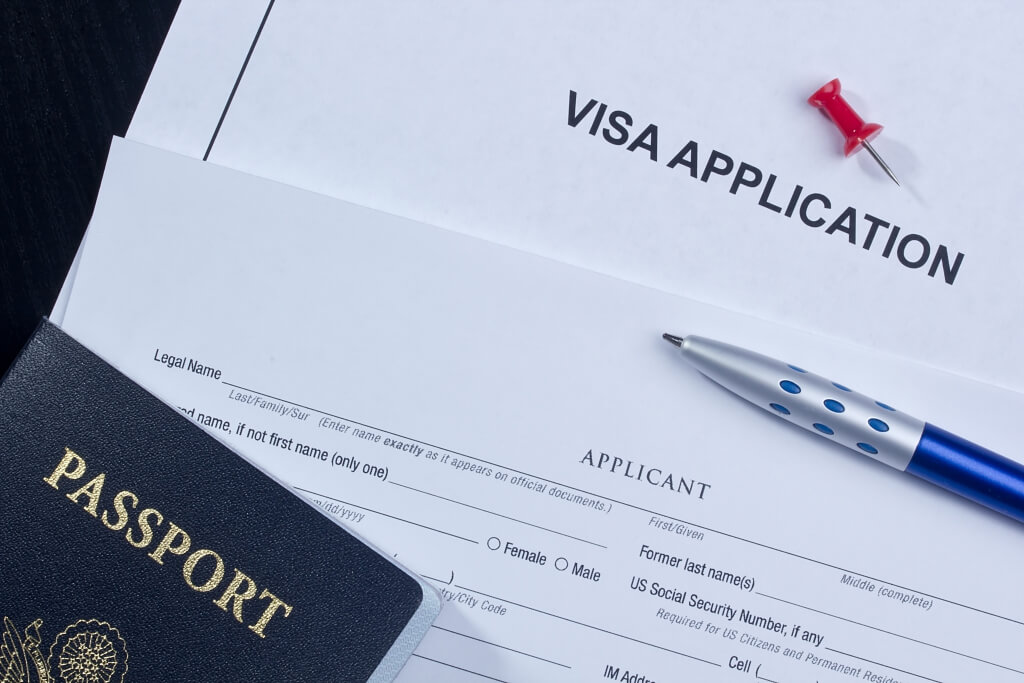
Rwanda maintains a highly progressive, traveler-friendly border policy.
Validity: The visa is valid for 30 days.
Cost: The Rwandan visa costs $30 USD
Entries: It allows for a single entry into the country.
Rule: You can apply online in advance or obtain it directly on arrival at the airport or borders.
Extension: This visa can be extended for an additional 30 days through the Directorate General of Immigration and Emigration
Furthermore, every visitor must carry a passport valid for at least six months beyond the arrival date, containing one blank page. Authorities strictly require a Yellow Fever certificate if you transit through an endemic zone. Finally, border agents enforce a rigorous ban on single-use plastics, so pack your luggage using reusable bags.
No, the $1 500 USD gorilla permit is an additional cost. The Rwanda Development Board strictly regulates these passes, issuing limited numbers daily. We strongly advise booking 3-4 months in advance to secure your preferred travel date.
The hike is strenuous and highly unpredictable. You will navigate dense underbrush, steep slopes, and muddy trails at elevations exceeding 2,400 meters. Treks can last anywhere from two to six hours, demanding a moderate to high fitness level.
Yes, you can hire local porters at the park headquarters for around $10-$20 USD. They will carry your daypack and provide physical support on difficult trail sections. This practice directly supports the local community’s economy.
Gorilla trekking permits in Rwanda are strictly non-refundable for voluntary cancellations, no-shows, or late arrivals; however, you can reschedule your permit to a new date within the same calendar year through the Visit Rwanda Booking Portal by submitting a request at least seven days prior to the trek, subject to availability and a processing fee of 20% of the permit cost. If an expired permit needs to be rescheduled due to emergency, unforeseen circumstances, official medical evidence must be provided for consideration by the Rwanda Development Board. Exceptional refund policies only apply if you fail to locate a gorilla family after trekking all day, which qualifies you for a 75% refund, or if unexpected gorilla group movements prevent the trek entirely, yielding a 100% refund or a free reschedule to the following day