

Welcome to the official Kwafrika Travel resource for exploring Central Africa. Cameroon contains active volcanoes, coastal beaches, rainforests, and arid Sahel landscapes. The country features both Francophone and Anglophone regions of Cameroon coined by locals as « The Continent » or ‘Africa in miniature’. This is because of its varied terrain, and hosting more than 250 ethnics groups. You will find wildlife such as lowland gorillas, chimpanzees, and diverse bird species. Tourism infrastructure here remains developing, meaning visitors will navigate unpaved roads and limited commercial lodges. These logistical factors require careful preparation. This Cameroon travel guide provides the practical facts you need to plan an effective itinerary.
Organizing your trip requires prioritizing regions based on your specific interests. Here is an overview of the primary things to do in Cameroon.
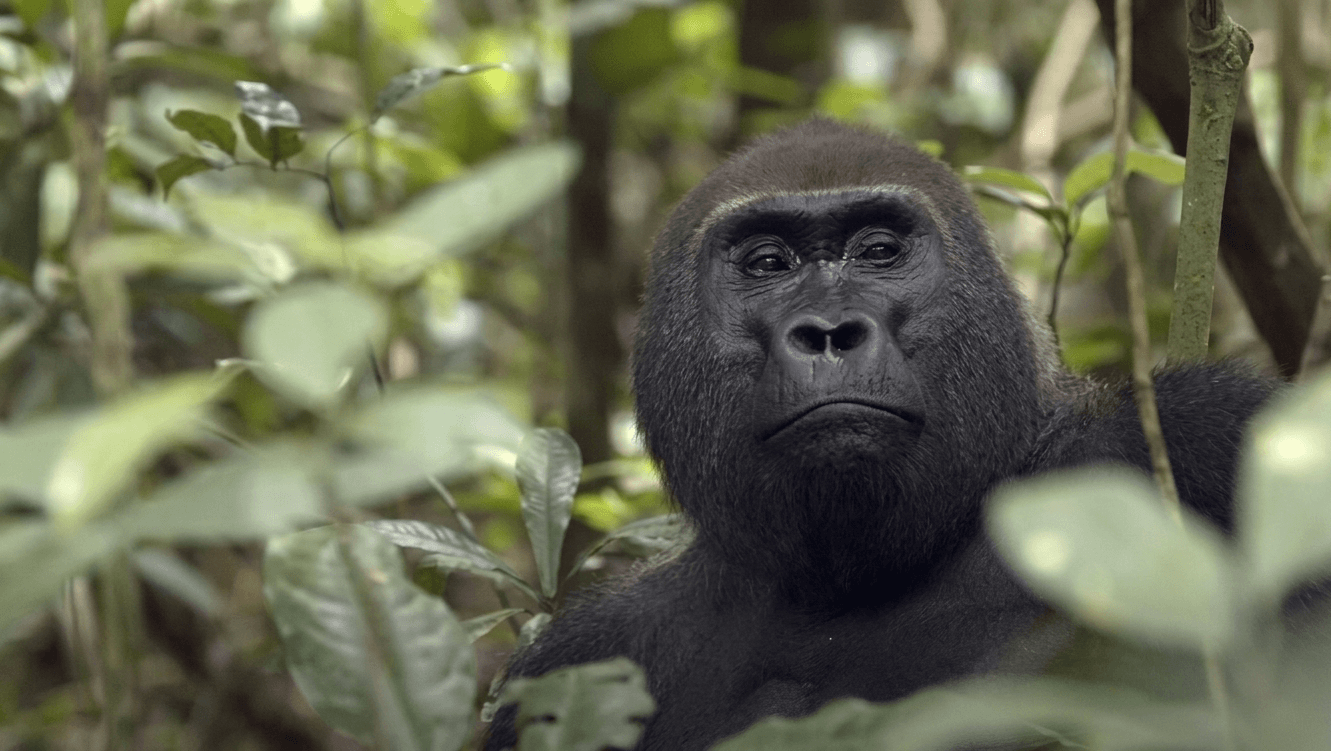
While visitors can track gorillas and chimpanzees in the wild, specialized sanctuaries provide reliable sightings while combating the illegal bushmeat trade. The Limbé Wildlife Centre and the Mfou Primate Sanctuary maintain large enclosures for rescued primates. Pongo Songo reserve focuses on rehabilitating infant chimpanzees on an island habitat. Additionally, Kwafrika Travel organizes wildlife photography tours to Campo Ma’an National Park, which serves as an excellent location for spotting habituated gorilla groups in their natural environment.

With numerous ethnic groups across the country, cultural interactions form a core part of the experience. The Ring Road in the Northwest connects traditional villages and artisan centers. In the Mandara Mountains, the Koma people maintain traditional agricultural practices. You will also encounter the Fulani, nomadic cattle herders found throughout the northern regions.
The South-West and West regions contain notable traditional governance centers. The Palais Royal in Foumban features a blend of local and German colonial architecture. It houses historical artifacts belonging to the Bamoun dynasty. Nearby in Bandjoun, another well-preserved traditional palace offers insight into regional history.
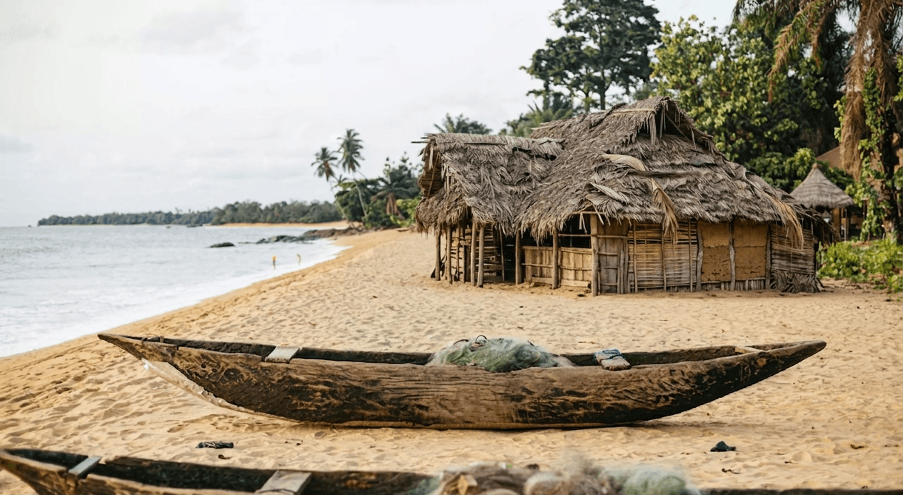
Kribi, located on the southern coast, provides access to quiet beaches and fishing villages. Further north, Limbé features volcanic sand beaches positioned near the base of Mount Cameroon. A few kilometers south of Kribi, the Chutes de la Lobé waterfall flows directly into the Atlantic Ocean. Local operators provide transport to the falls for half-day excursions.
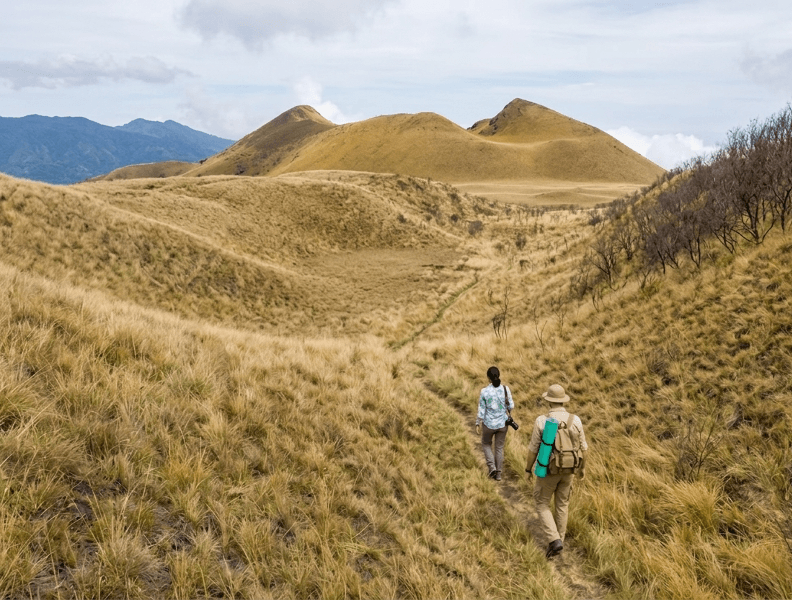
West Africa’s highest peak reaches 4,040 meters (13,255 feet) above sea level. You must hire a local guide to hike through the mountain’s cloud forests. The fees paid for guides and porters directly support the villages surrounding the dormant volcano. The summit provides clear visibility of the surrounding rainforests and the island of Bioko.
The government introduced an electronic visa system to simplify entry for eligible foreign nationals. You must complete the application online and receive the approval via email.
Application Steps:
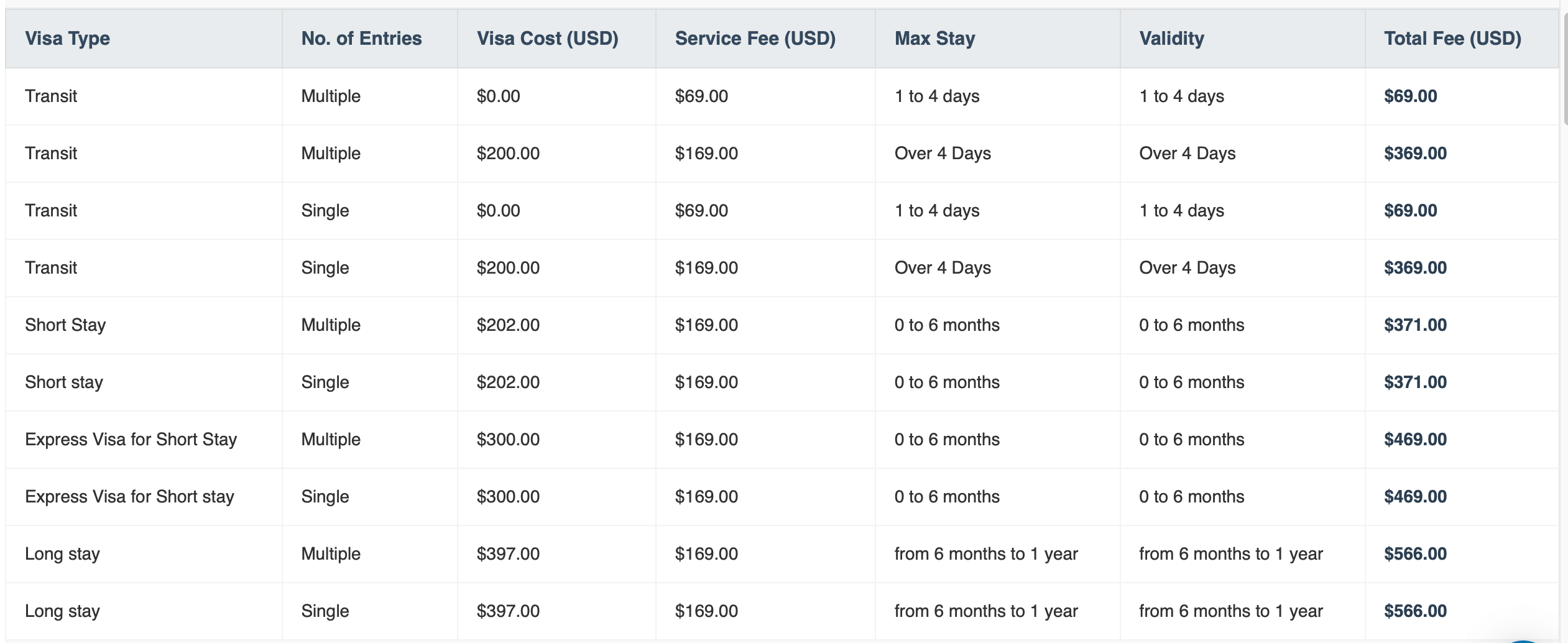
Common Requirements: A passport valid for at least six months, a travel itinerary, proof of accommodation, and specific vaccination certificates.
If you require an embassy application, you will need a notarized Visa Invitation Letter. Kwafrika Travel provides this notarized and legalized letter for $150 USD. To process this fee, we require clients to use Mpesa as the primary payment method; however, we also accept bank transfers via Equity BCDC as a secondary option. The formal invitation letter will include our official contact details, address, and an explanation of your visit’s purpose.
Determining the best time to visit Cameroon requires reviewing regional climate data rather than looking at seasonal tourist crowds.
The dry season runs from November to February. During this period, average daytime temperatures remain around 28ºC (82ºF). This time frame offers the most reliable conditions for road travel, wildlife viewing, and coastal visits.
The rainy season begins in March and intensifies by April, lasting through October. High humidity levels accompany heavy rainfall, frequently rendering rural dirt roads impassable. If you must travel during these months, prioritize paved urban centers like Yaoundé over remote national parks.
Paved roads connect major cities, and established bus companies operate along these routes. However, traveling to remote locations requires shared taxis or private 4×4 rentals, which travel slowly on unpaved roads. Build buffer days into your itinerary to account for potential logistical delays.
Cameroon uses the Central African Franc (CFA), which is pegged to the Euro (See today’s rate). Credit cards are only accepted at major international hotels. Carry sufficient cash in Euros or US Dollars to exchange locally.
Estimated Costs:
Before booking flights, clients frequently ask our team: Is Cameroon safe for tourists? The reality is that security varies entirely by province.
Western governments currently advise against travel to the Anglophone South-West, the Extreme North, and the eastern border regions due to security concerns. Always check the latest consular travel advisories before finalizing your route. In major cities, exercise standard precautions against petty theft, such as using verified taxis after dark rather than walking.
By utilizing this Cameroon travel guide, you can properly prepare for the logistical realities of Central Africa. When researching things to do in Cameroon, remember to book certified guides and respect local communities to ensure a safe and sustainable expedition.