


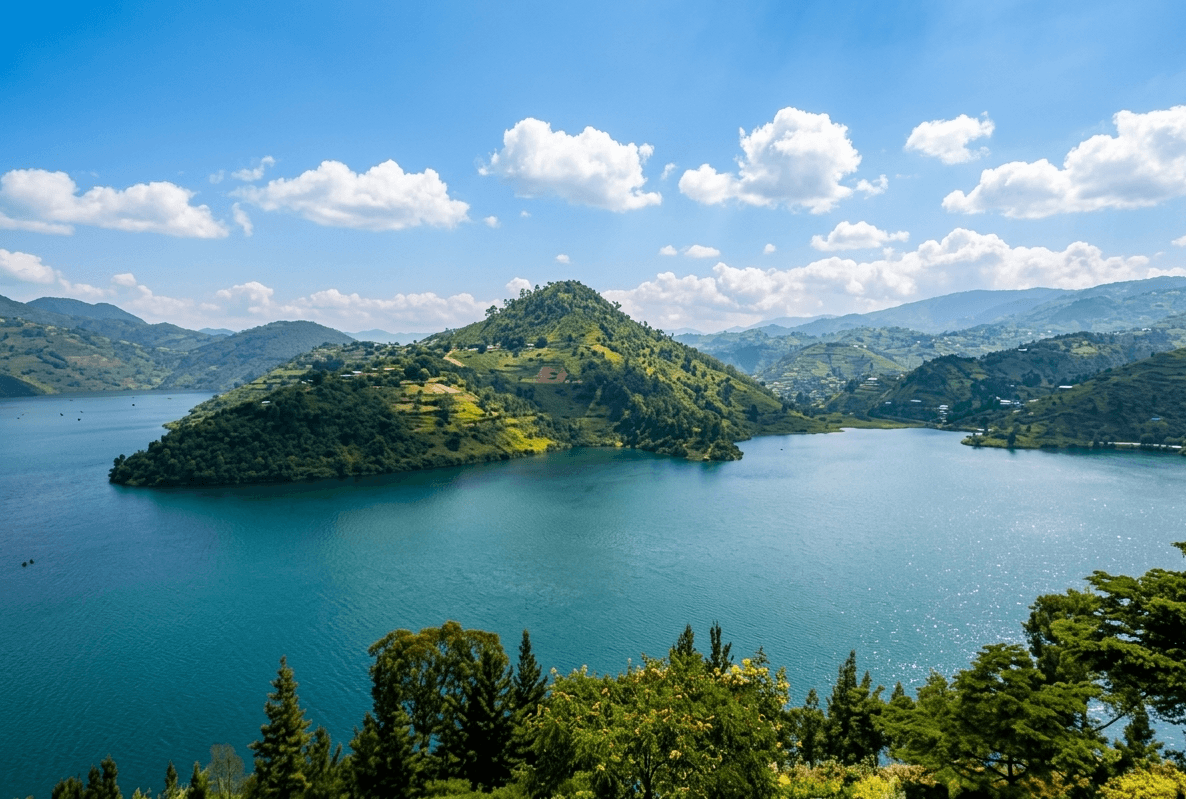
The Republic of Rwanda is an elite travel destination that features high-altitude primate conservation, clean urban centers, and strict environmental governance. Planning a Nyungwe & Akagera Safari, so Kwafrika Travel specifically tailored this trip to maximize your exploration across a diverse 26,338-square-kilometer landscape. Consequently, this comprehensive tour guide from Kwafrika Travel Guide delivers accurate route logistics, precise lodge specifications, and essential facts for your expedition. As an expert explorer, you will discover how decades of institutional stability have built a leading African economy.
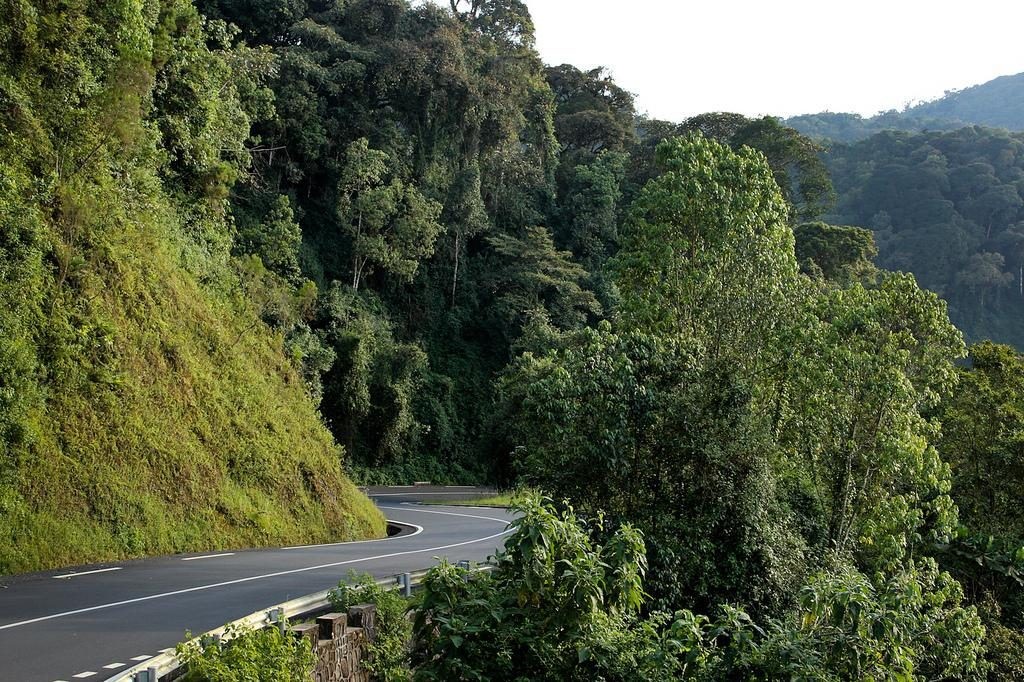
Spanning 1,015 square kilometers, Nyungwe Forest National Park connects directly to Burundi’s Kibira National Park. Meanwhile, a high-altitude spring on the 2,950-meter Mount Bigugu represents the Nile River’s most remote source. This 70,000-year-old prehistoric montane ecosystem demands active, on-foot exploration using sturdy hiking boots.
Moreover, the park houses 1,050 plant species, 310 bird species, and 13 distinct primate populations. Trackers frequently encounter 500 habituated chimpanzees alongside 400-member troops of Rwenzori colobus monkeys. Thus, wildlife enthusiasts will navigate a 130-kilometer trail network through steep, wet terrain.
Additionally, the 160-meter-long Canopy Walkway suspends travelers 70 meters above the forest floor. Visitors observe sweeping valley views and listen to 317 recorded bird species calling through the canopy. Consequently, this 2023-designated UNESCO World Heritage Site delivers an immersive, mystical wilderness adventure.

Akagera National Park protects 1,085 square kilometers of eastern wetlands, papyrus swamps, and low mountain chains. The Rwanda Development Board and African Parks jointly manage this fully fenced 120-kilometer perimeter to ensure robust wildlife security. Therefore, animal populations have surged from 5,000 in 2010 to over 13,000 current residents.
You must know what to expect when shifting from rainforest climates to these dry, flat grasslands. Reintroduction programs successfully delivered seven South African lions in 2015 and 18 black rhinos during 2017. As a result, the reserve supports full Big Five populations alongside 500 diverse avian species.
Specifically, traditional 4×4 game drives replace the strenuous hiking required in western regions. Instead of walking, you will cruise Lake Ihema on scheduled boat safaris past 50-member hippopotamus pods and 4-meter Nile crocodiles. Ultimately, this sun-drenched reserve provides a classic, expansive African bushveldt atmosphere.
Luxury seekers booking Magashi Camp secure one of six tented suites inside a private northern concession. Consequently, these guests enjoy exclusive off-road tracking privileges far away from the main-park vehicle density. Alternatively, budget-conscious explorers choose Ruzizi Tented Lodge, which features nine rustic lakeside rooms managed directly by African Parks.
Meanwhile, One & Only Nyungwe House offers five-star accommodations situated on a working tea plantation. A specialist travel tour guide from Kwafrika Travel guides each visitor. Actually, the visitor is the one who can access pristine walking trails directly from their private suite verandas along the forest edge. Hence, both destinations maintain strict ecotourism standards that limit environmental impact.
To reach this Nyungwe & Akagera Safari, RwandAir flies direct long-haul routes from London Gatwick to Kigali International Airport three times weekly. Additionally, the national carrier connects passengers to major international hubs like Dubai, Mumbai, and Guangzhou. Foreign operators, including Qatar Airways and KLM, land multiple daily flights carrying eager international tourists.
Regarding overland travel, the nation shares borders with Uganda, Tanzania, Burundi, and the Democratic Republic of the Congo. The Gatuna border post facing Uganda remains open 24 hours every day for constant cross-border transit. Conversely, minor land crossings strictly enforce 06:00 to 18:00 operational hours.
Specifically, stations like Kagitumba close at 20:00, while the Grande Barrière in Rubavu processes passports until 22:00. Direct public coaches transport passengers 500 kilometers between Kampala and Kigali over a 12-hour journey. Furthermore, regional transit relies heavily on 32-passenger Toyota Coaster midibuses departing from central provincial stations.
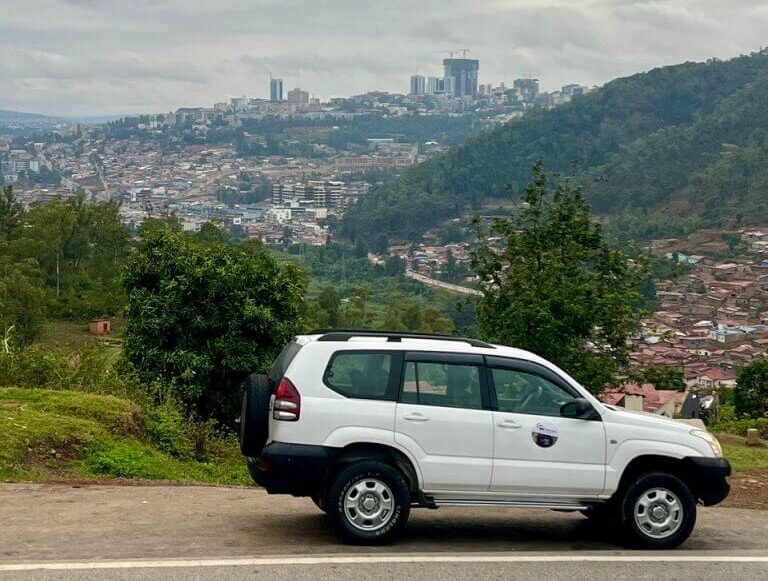
Internal navigation requires careful driving, even though primary paved roads maintain excellent surface standards. Renters can hire chauffeur-driven 4×4 vehicles to negotiate the winding, 2,000-meter-elevation topography safely. Lastly, COTRALAKI Cooperative ferries run twice weekly across Lake Kivu, linking Rusizi and Rubavu.
East Africa experiences two distinct dry periods and two heavy rainy seasons annually. The primary dry season lasts from June through September, creating optimal trail conditions for chimpanzee tracking. Similarly, a secondary short dry season provides excellent safari weather from December through February.
Conversely, the long rains arrive in mid-February and peak heavily between March and May. The short rains soak the landscape from mid-September until mid-December, generating exceptionally lush vegetation. Consequently, these wet months produce higher permit availability for spontaneous, short-notice travelers.
Interestingly, chimpanzee tracking yields superior results during rainy months because ripe fruit resources concentrate the troops. Birdwatchers specifically target the November-to-March window to spot Palaearctic migratory flocks joining resident species. Ultimately, scheduling depends on whether you prioritize dry hiking boots or abundant wildlife activity.
Yes, the reserve proudly hosts all Big Five species following successful conservation efforts. African Parks reintroduced lions in 2015 and black rhinos in 2017. Currently, travelers regularly photograph elephants, leopards, buffaloes, and thriving predator populations across the savannah.
The prehistoric montane ecosystem features steep, muddy trails sitting 2,000 meters above sea level. You must wear sturdy hiking boots and waterproof gear. Trackers aggressively navigate thick vegetation for several hours to locate fast-moving chimpanzee troops.
You absolutely require a 4×4 vehicle to explore both national parks safely. While main highways feature pristine tarmac, park interiors contain rugged dirt tracks. Four-wheel drive ensures optimal traction during wet seasons and provides elevated seating for wildlife viewing.