


At Kwafrika Travel, we recognize that the extraordinary beauty of Central Africa often prompts vital questions regarding security. As we finalize our fully guided expeditions for the 2026 and 2027 seasons, the inquiry we receive most frequently is: “Is it safe to visit CAR 2026?”
While the Central African Republic remains one of the continent’s most pristine and awe-inspiring frontiers, navigating its landscapes requires a specialized, expert-led approach to safety.
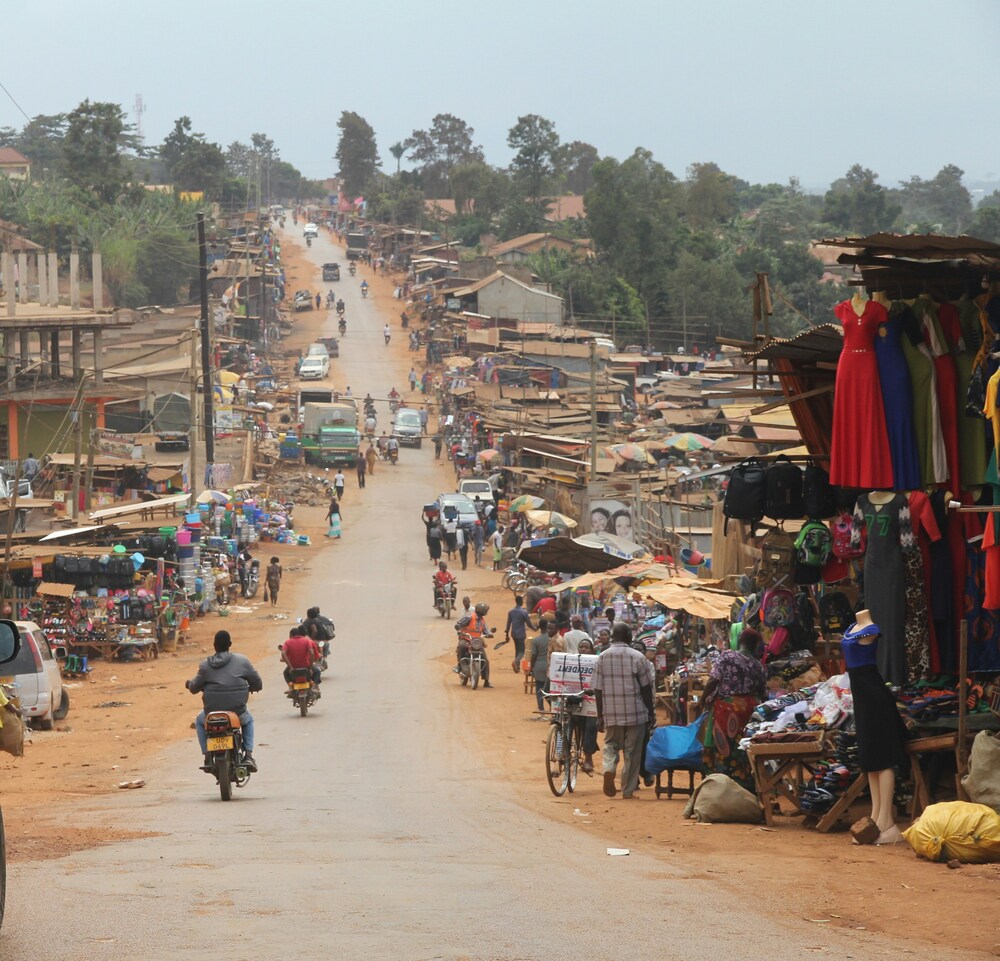
Transparency is our priority. Major global authorities, including the U.S. Department of State, Government of Canada, and SafeTravel NZ, currently advise against all travel to the region. They cite risks of civil unrest, armed conflict, and limited infrastructure. We acknowledge these risks and maintain that the country remains unstable in many areas.
However, Central African Republic Travel Safety 2026 is manageable when you move with an experienced partner. We design our itineraries to bypass high-risk border zones and focus exclusively on stable regions. Our team works alongside trusted local guides who monitor real-time conditions to ensure your protection.
How you enter the country determines your overall security profile. For most of our guests, Bangui travel safety begins at M’poko International Airport. The capital serves as our primary hub, where we coordinate private transfers and secure lodging.
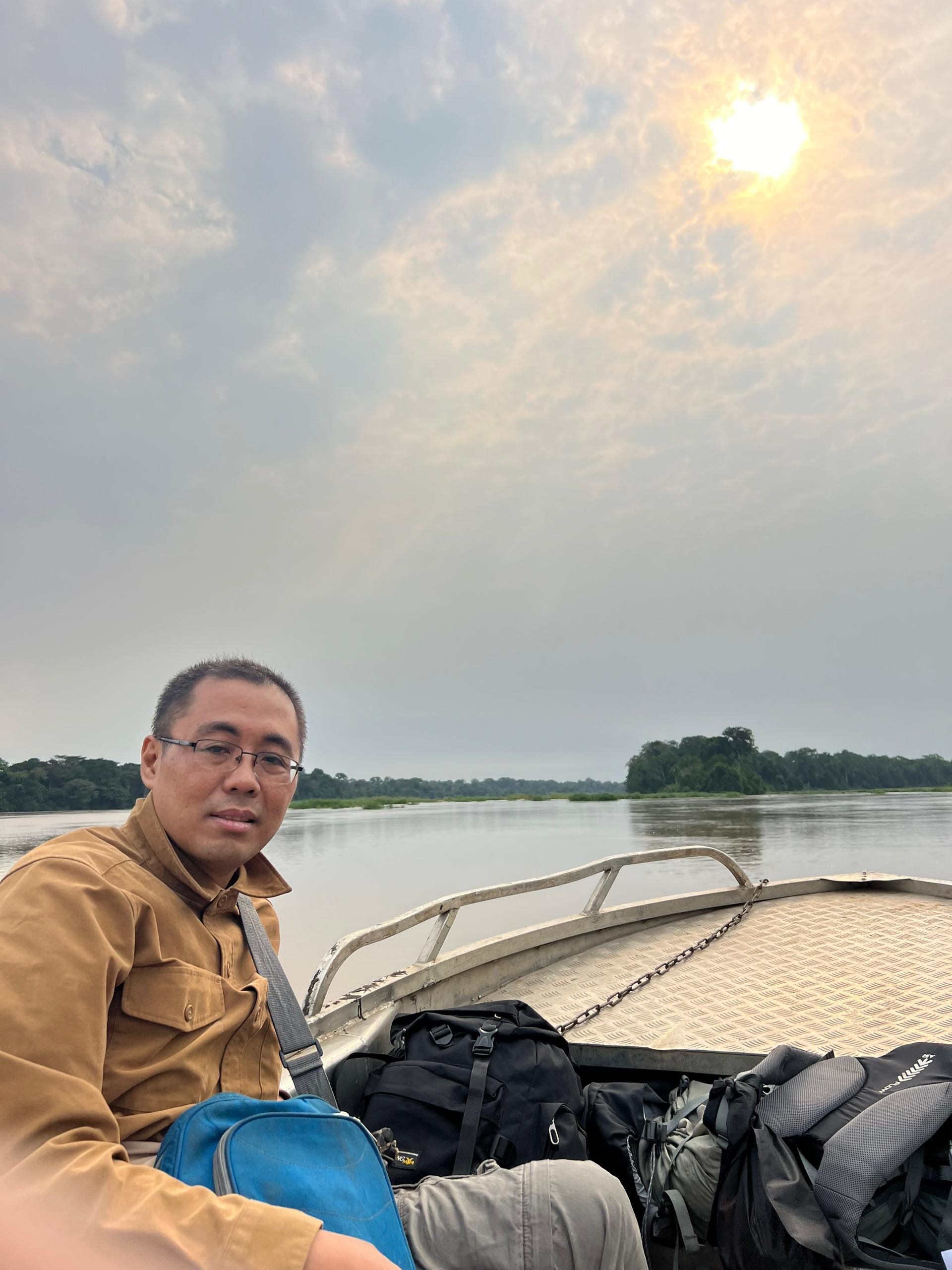
Beyond the capital, we utilize two reliable river crossings for our regional tours:
When visiting the remote south, Dzangha-sangha safety is our primary focus. This region is famous for its western lowland gorillas and forest elephants, but its isolation requires meticulous planning. We ensure that our presence in the park is coordinated with local conservation rangers and eco-guards. By prioritizingDzangha-sangha safety, we allow our guests to focus on the incredible biodiversity of the Congo Basin rather than logistics.
When considering is it safe to visit CAR 2026, one must look beyond physical security to legal and cultural compliance.
Public expressions of affection between same-sex partners are criminalized in CAR, as they are in much of Central Africa. Penalties can include fines or imprisonment. We strongly advise LGBTQ+ travelers to remain discreet regarding their sexual orientation and gender identity to minimize any personal risk during the journey.
The government strictly prohibits photographing public buildings, airports, and military installations. To maintain high Bangui travel safety standards, always ask your Kwafrika guide before taking any photos. Additionally, we recommend dressing modestly in low-profile, conservative clothing to blend in with the local community.
Because we operate in a “force majeure” environment with limited evacuation infrastructure, we require all guests to secure comprehensive travel insurance. You will also sign a waiver of responsibility, a standard document for many of our Central African destinations. This ensures everyone is aligned on the adventurous nature of the trip.
Central African Republic Travel Safety 2026 is a collaborative effort between our guides and our guests. We offer scheduled group tours that combine CAR with the Republic of Congo, Cameroon, DRC, and Gabon, as well as bespoke independent itineraries.
If you are ready to explore the heart of Africa with a team that puts your security first, contact a Kwafrika Travel consultant today. Let us craft a secure, professional, and unforgettable adventure for you.
