



The Republic of Gabon, through Loango National-Park., is a premier ecotourism destination featuring a unique convergence of dense equatorial jungle and Atlantic shoreline. Witnessing the famous Loango’s Atlantic Coast Safari offers a wildlife experience completely unlike any traditional savannah circuit. Here, forest pachyderms actively forage along the sandy coast.

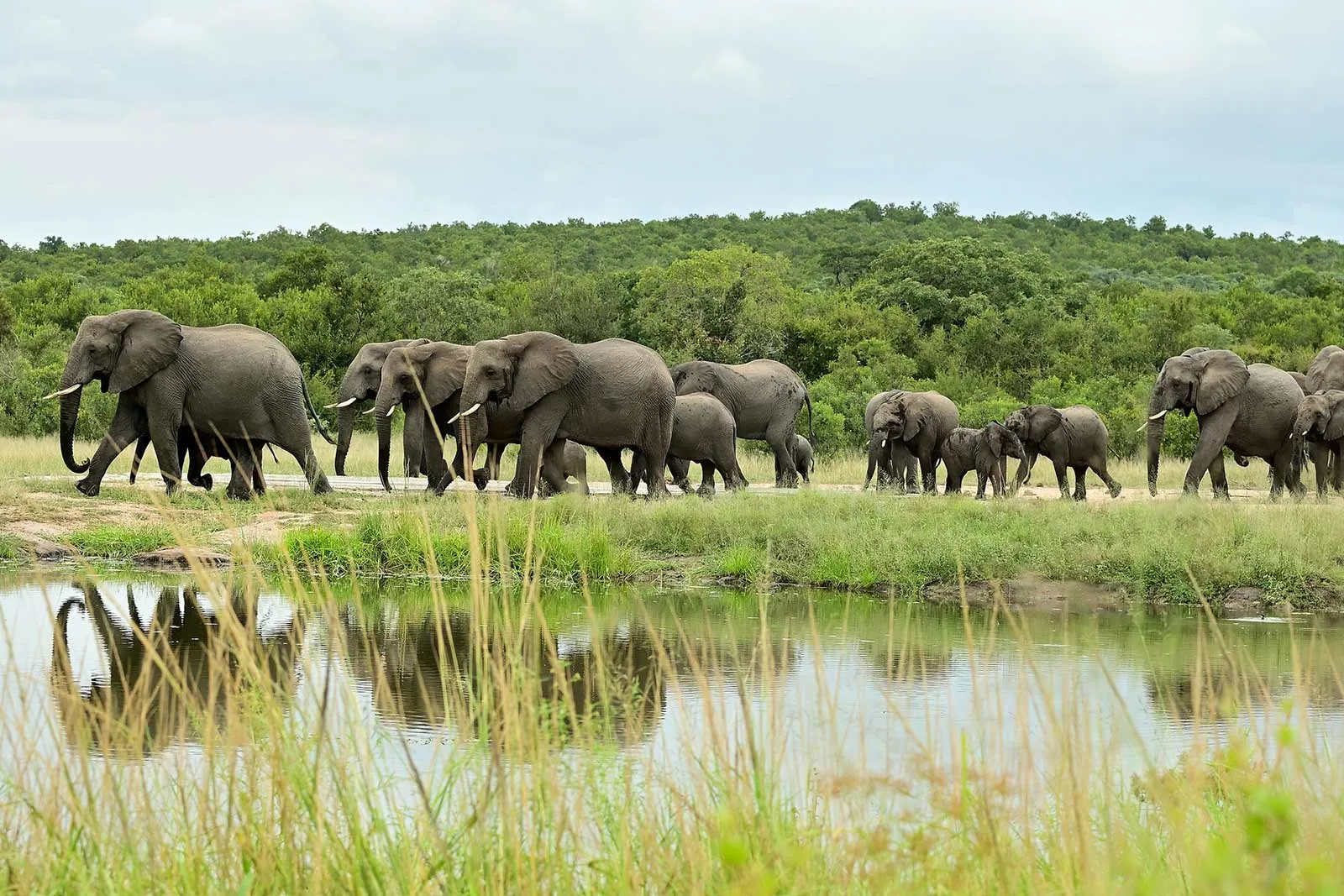
If you are wondering what to expect visiting Loango’s Wild Coastal zones, prepare to explore a massive 1,550-square-kilometer sanctuary. Visitors observe 4,000-kilogram forest elephants grazing directly on the sandy shoreline. Dwarf buffaloes regularly trek along the 100-kilometer Atlantic coastline.
You will also see 1,500-kilogram surfing hippopotami navigating the coastal shallows. Furthermore, this protected habitat sustains thriving populations of western lowland gorillas and red river hogs.
Your adventure initiates in Libreville before boarding a 35-minute domestic flight to Port Gentil. Following arrival, a three-hour 4×4 transfer transports you deep into the untouched wilderness. Kwafrika Travel guarantees reliable escorts throughout this 150-kilometer overland route. These logistics remain crucial for tourists prioritizing safety and efficiency.
Beyond wildlife observation, UNESCO categorizes Loango as a potential mixed heritage site due to deep human history. The Petit Loango and Setté Cama sectors contain 500-year-old village sites. These historic settlements functioned as major trade network hubs before the 19th-century colonial era.
Knowing exactly what to expect visiting Loango’s Wild Coastal habitats requires understanding specific wildlife behaviors. We organize specific activities to target these unique ecological events.
To maximize your 2026 expedition, align your itinerary with the regional climatic shifts. The dry season runs from July to September. This specific window offers peak humpback whale sightings and drops river levels for easier forest navigation.
Conversely, the rainy season from November to April delivers peak beach activity. Forest elephants, dwarf buffaloes, and red river hogs heavily roam the coastal sands during these wetter months. Additionally, the November through March window hosts nocturnal sea turtle nesting patrols.
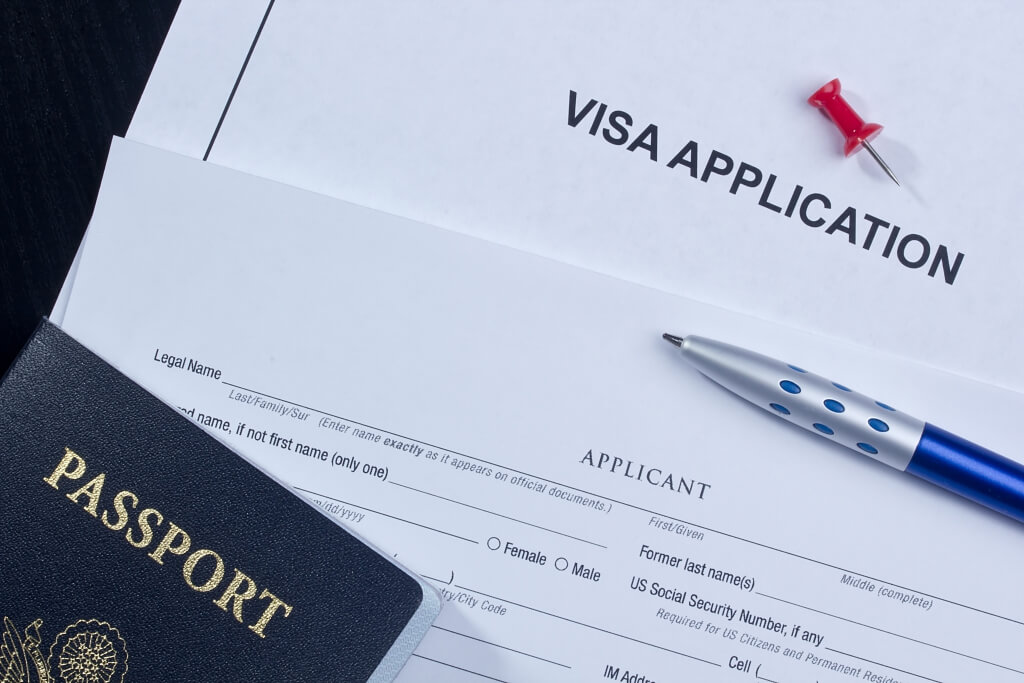
Gabon offers an electronic visa (e-visa) (https://evisa.dgdi.ga/) through its official portal. While simple in theory, rejection rates can run high, a common hurdle across Central African nations like Cameroon and the DR Congo. To guarantee approval, we highly recommend letting an experienced tour operator handle the application on your behalf.
If you prefer not to use the online system, you must satisfy the standard Gabon visa requirements by submitting your application directly to a physical Gabonese Embassy in your country of residence.
You must submit the following documents in person or by registered post:
Kwafrika Travel’s localized expertise completely eliminates unexpected border delays. Our reliable escorts ensure your transition across these remote Central African territories stays efficient and secure. We actively protect your well-being during physically demanding primate treks.
Yes, Loango National Park remains highly safe for guided tourists in 2026. Kwafrika Travel provides professional escorts to handle complex border logistics and physically demanding treks. We ensure your security throughout the 150-kilometer overland journey from Port Gentil.
Absolutely. Gabonese immigration authorities strictly require a valid yellow fever immunization certificate from every traveler entering the country. You must present this physical document at all border crossings and airport checkpoints to prevent entry denial or mandatory quarantine.
The rainy season, spanning November to April, provides the best opportunities to witness Loango’s famous surfing hippos. During these months, hippos frequently navigate the Atlantic coastal surf to move between their preferred estuarine feeding grounds and freshwater rivers.
This review is based on Kwafrika Travel’s active 2026 operations in Libreville and the Loango region.
