


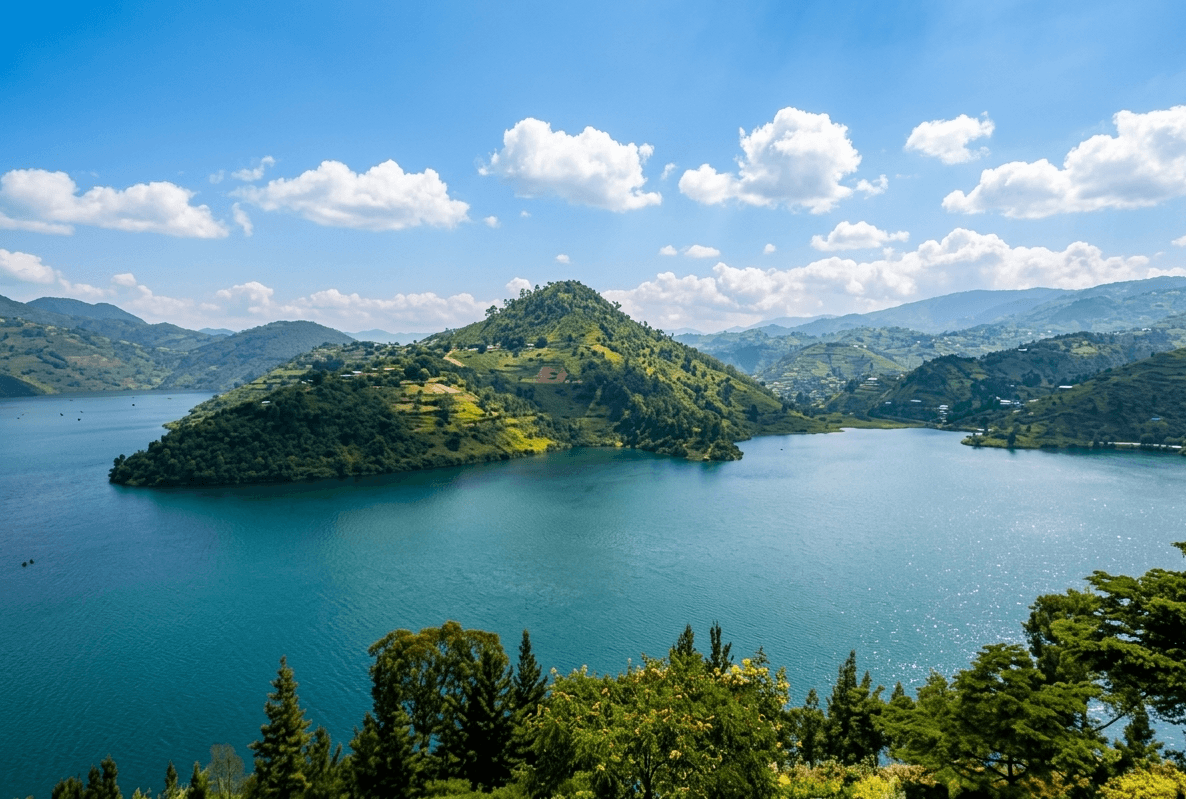
The Republic of Rwanda is a premier East African travel destination renowned for its pioneering ecological initiatives. Specifically, the nation is a global leader in high-value, low-impact ecotourism. Therefore, Rwanda Conservation programs strictly regulate visitor numbers to protect fragile montane and savannah ecosystems. Travelers directly contribute to these ongoing efforts, witnessing firsthand the immediate impact of their financial investment. Consequently, your journey transforms from a simple vacation into a vital funding mechanism for wildlife protection.
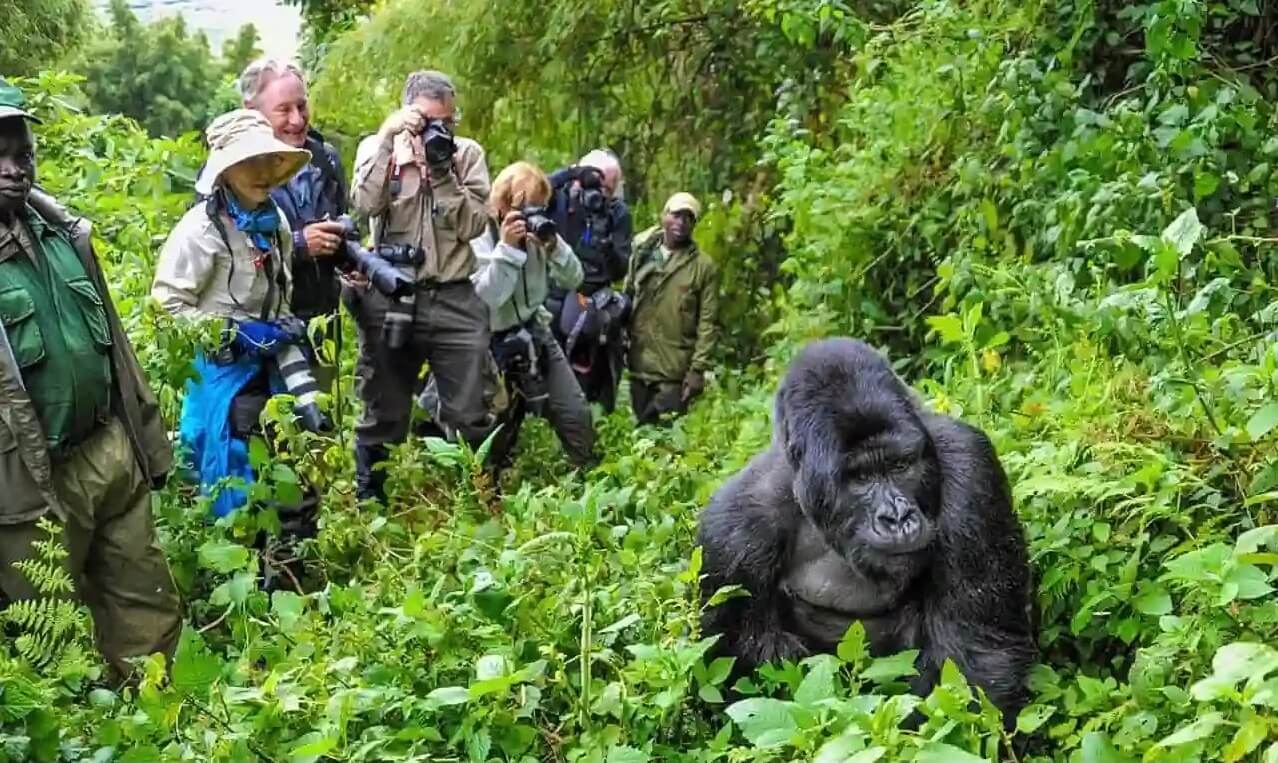
Your primary Volcanoes National Park expedition commences promptly at 7:00 AM at the Kinigi headquarters. Following a comprehensive 30-minute safety briefing, trained park rangers guide you directly into the indigenous bamboo forest of the striking Virunga Range. Specifically, hikers tackle a demanding 2-to-6-hour physical challenge while navigating rugged elevations between 2,400 and 4,500 meters, often traversing the steep slopes of Mount Bisoke. Eventually, trackers locate the habituated 350-pound silverbacks, allowing you exactly 60 minutes of uninterrupted observation time.
Kwafrika Travel customizes all expedition packages to match distinct budget tiers departing directly from Kigali. Furthermore, we require a 20% initial deposit, systematically collecting the remaining balance 28 days before departure. Additionally, our per-person quotes deliberately exclude the mandatory $1,500 USD gorilla permit to ensure absolute financial transparency. Ultimately, understanding how permit fees support wildlife in Rwanda ensures you recognize that this $1,500 directly funds veterinary care for 438 mountain gorillas.
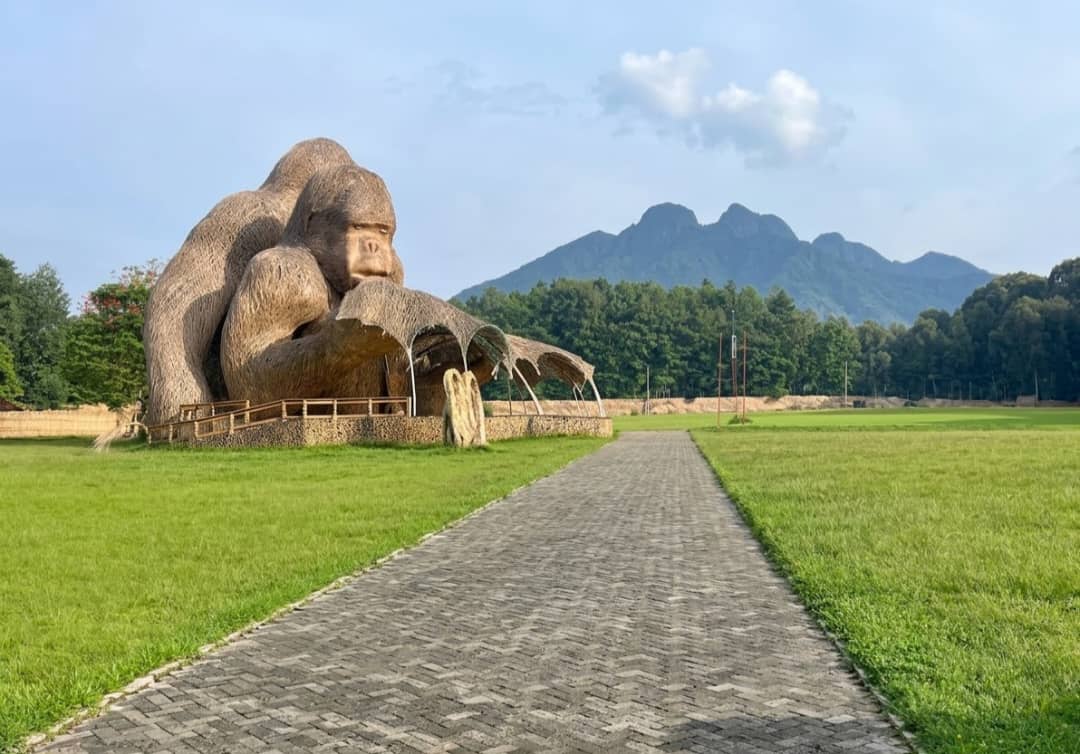
The 21st annual Kwita Izina ceremony represents a major milestone for Rwanda Conservation initiatives. Modeled after a centuries-old Rwandan tradition, this prestigious event officially names 22 newborn baby gorillas born over the past twelve months. By assigning individual names, conservationists successfully elevate the global profile of these rare primates. Thus, international guests, local rangers, and researchers gather in Kinigi to celebrate this free, outdoor naming event.
Park authorities heavily enforce regulations limiting daily visitor groups to exactly eight individuals per habituated primate family. Consequently, this quota minimizes behavioral disruption while maintaining a mandatory 7-meter distance from the animals at all times. Therefore, the strict physical barrier prevents human-transmitted pathogens from infecting susceptible wildlife populations. Moreover, you must actively suppress your voice, disable camera flashes completely, and never consume food near the animals.
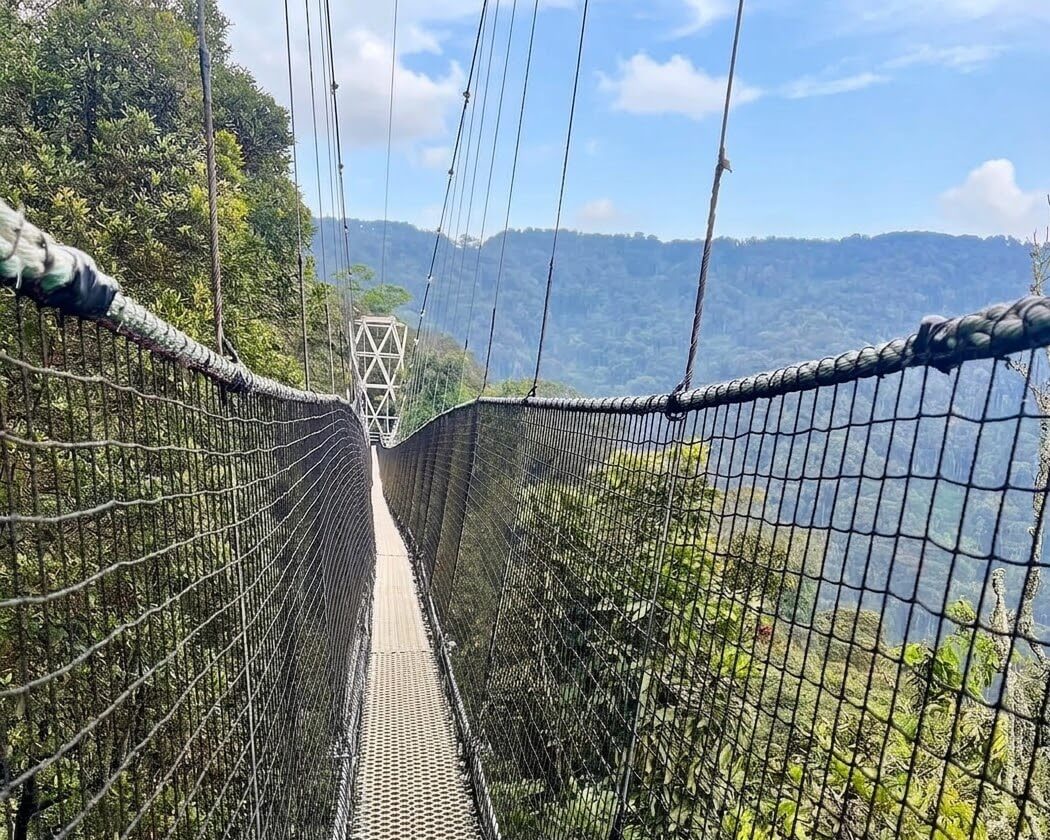
Spanning 1,015 square kilometers, Nyungwe Forest National Park houses a 70,000-year-old prehistoric montane ecosystem. Trackers actively navigate a 130-kilometer trail network to locate 500 habituated chimpanzees and 400-member colobus monkey troops. Additionally, visitors conquer a 160-meter-long Canopy Walkway suspended 70 meters directly above the primary forest floor. Consequently, this 2023-designated UNESCO World Heritage Site delivers a highly immersive wilderness adventure.
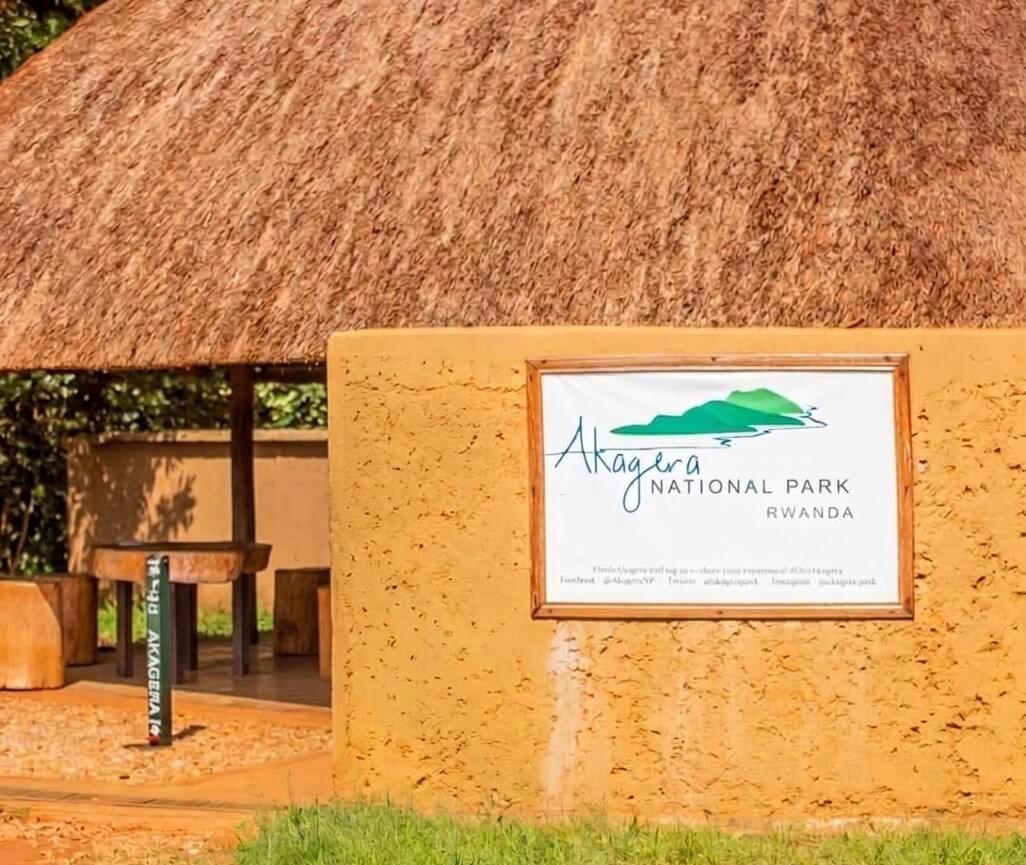
Akagera National Park encompasses 1,085 square kilometers of protected eastern wetlands, papyrus swamps, and flat grasslands. Conservationists successfully reintroduced seven South African lions in 2015 and 18 black rhinos during 2017. Consequently, a fully fenced 120-kilometer perimeter now safeguards over 13,000 animals, including robust Big Five populations. Thus, travelers trade rigorous jungle hiking for traditional 4×4 game drives and scheduled Lake Ihema boat safaris.
Kwafrika Travel expertly matches guests with specialized accommodations suiting their specific comfort tiers. Therefore, we utilize the following curated properties across the country:
| Destination | Luxury Tier | Mid-Range Tier |
| Kigali | The Retreat (20 suites, private plunge pools) | Radisson Blu (High-capacity, near Convention Centre) |
| Akagera | Magashi Camp (6 off-road tented suites) | Ruzizi Tented Lodge (9 rustic lakeside rooms) |
| Nyungwe | One & Only Nyungwe House (Working tea plantation) | Specialist routing required for mid-range options |
| Lake Kivu | Cleo Lake Kivu Hotel (Elevated water views) | Lake Kivu Serena Hotel (Corporate beachfront access) |
| Volcanoes | Bisate Lodge (6 villas), Singita Kwitonda (8 suites) | The Bishop’s House (9 colonial-style suites, Musanze) |
Ultimately, each verified property maintains strict ecotourism standards that heavily limit environmental impact. Furthermore, exclusive high-altitude lodges seamlessly integrate directly into the surrounding eucalyptus canopies.

RwandAir executes direct long-haul flights from London Gatwick to Kigali International Airport three times weekly. Additionally, travelers easily cross the 24-hour Gatuna border post linking Rwanda directly to Uganda. Conversely, minor land crossings, including the Grande Barrière in Rubavu, enforce strict operational curfews closing exactly at 22:00.
Internal navigation relies heavily on chauffeur-driven 4×4 vehicles conquering the winding, 2,000-meter-elevation topography. Moreover, 32-passenger Toyota Coaster midibuses dominate regional public transit between central provincial stations. Finally, the COTRALAKI Cooperative ferries run twice weekly across Lake Kivu, safely connecting the towns of Rusizi and Rubavu.
The primary dry season extends from June through September, delivering optimal trail conditions for primate tracking. Alternatively, a secondary short dry season provides excellent visibility from December through February. Furthermore, scheduling a Rwanda Conservation expedition during the long rains (March to May) significantly increases permit availability for short-notice travelers. Consequently, professional birdwatchers favor the November-to-March window when Palaearctic migratory flocks join 500 diverse resident species.
Trekking demands significant physical stamina because hikers consistently navigate steep, muddy terrain between 2,400 and 4,500 meters in elevation. Specifically, the rigorous bamboo forest journey lasts between two and six hours, requiring sturdy hiking boots alongside excellent overall cardiovascular health.
If a 500-pound silverback charges, park rangers instruct you to stay entirely calm, crouch down immediately, and slowly lower your eyes. Furthermore, you must never run away, as holding your ground ensures the primate understands you pose absolutely no threat.
No, national conservation laws strictly prohibit all camera flashes during wildlife encounters. Consequently, sudden bright lights easily frighten habituated primates and trigger aggressive behavioral responses. Therefore, photographers must always utilize high ISO settings and wide apertures to capture images securely.
This review is based on Kwafrika Travel’s active 2026 operations in the Republic of Rwanda.
